
Full 25-point door and opener safety check with every visit - springs, cables, rollers, tracks, and your LiftMaster or Chamberlain opener included
You get a price before we start. It does not change when the truck arrives.
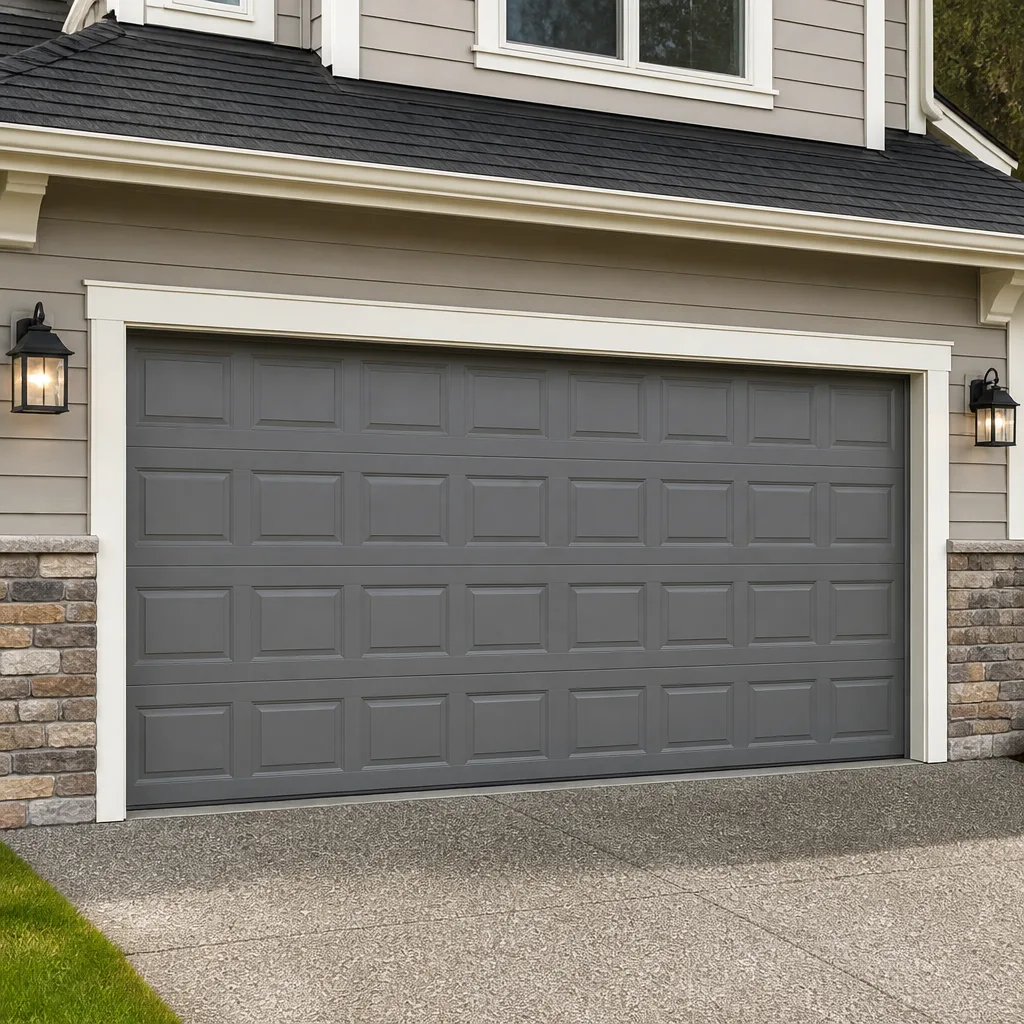
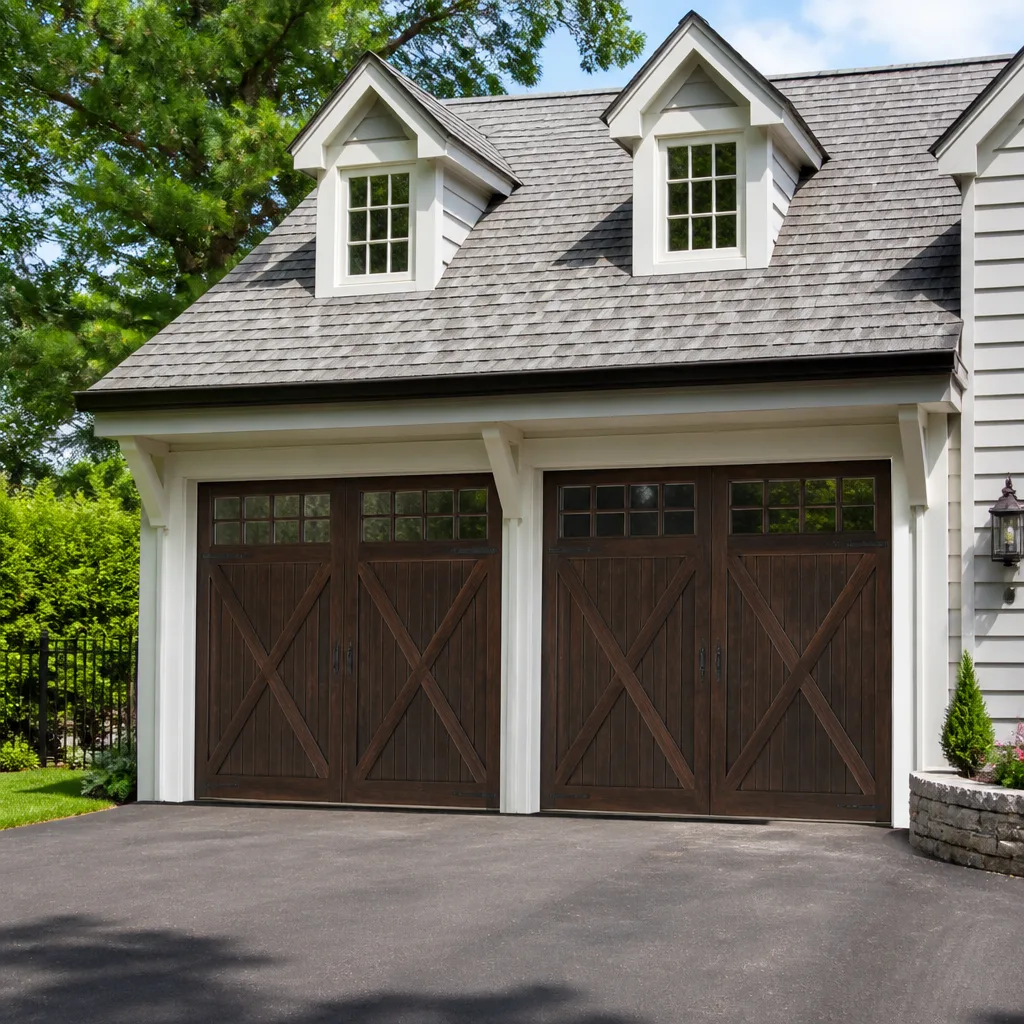
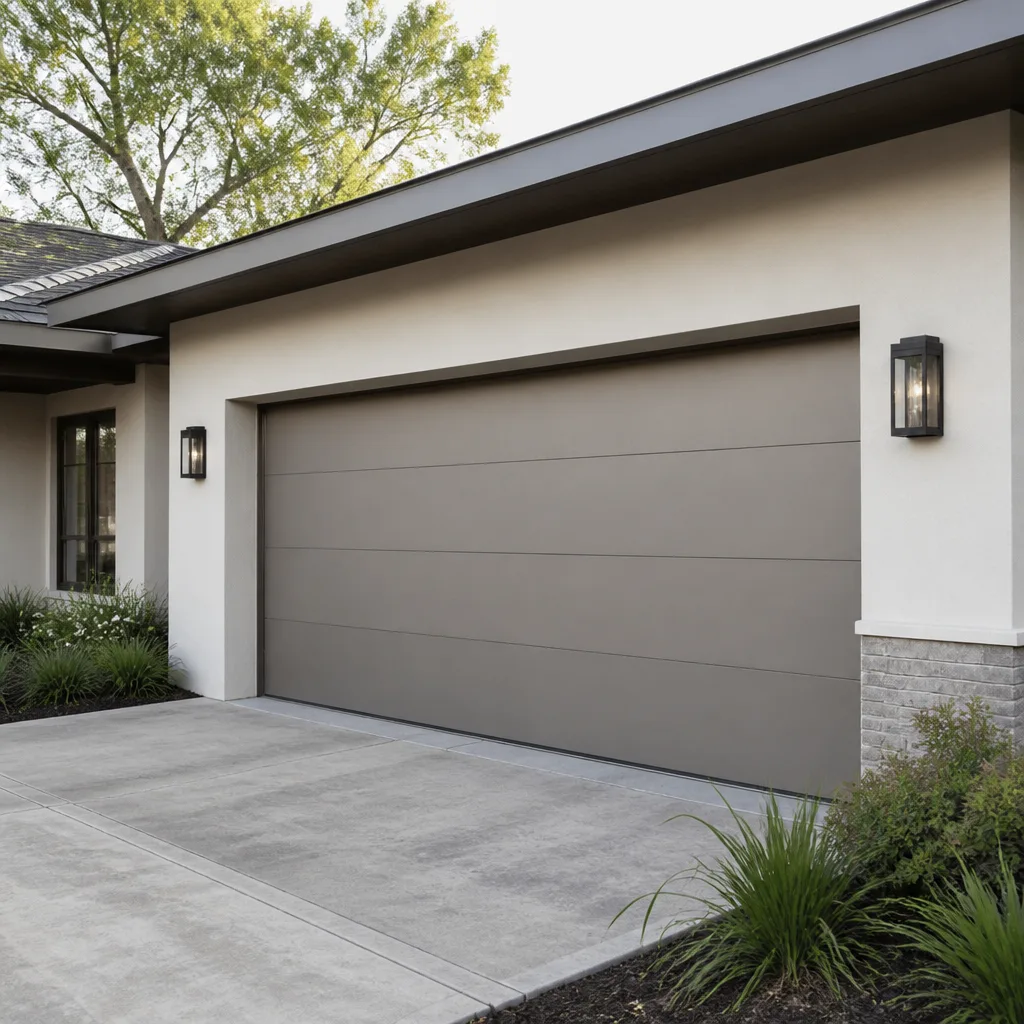
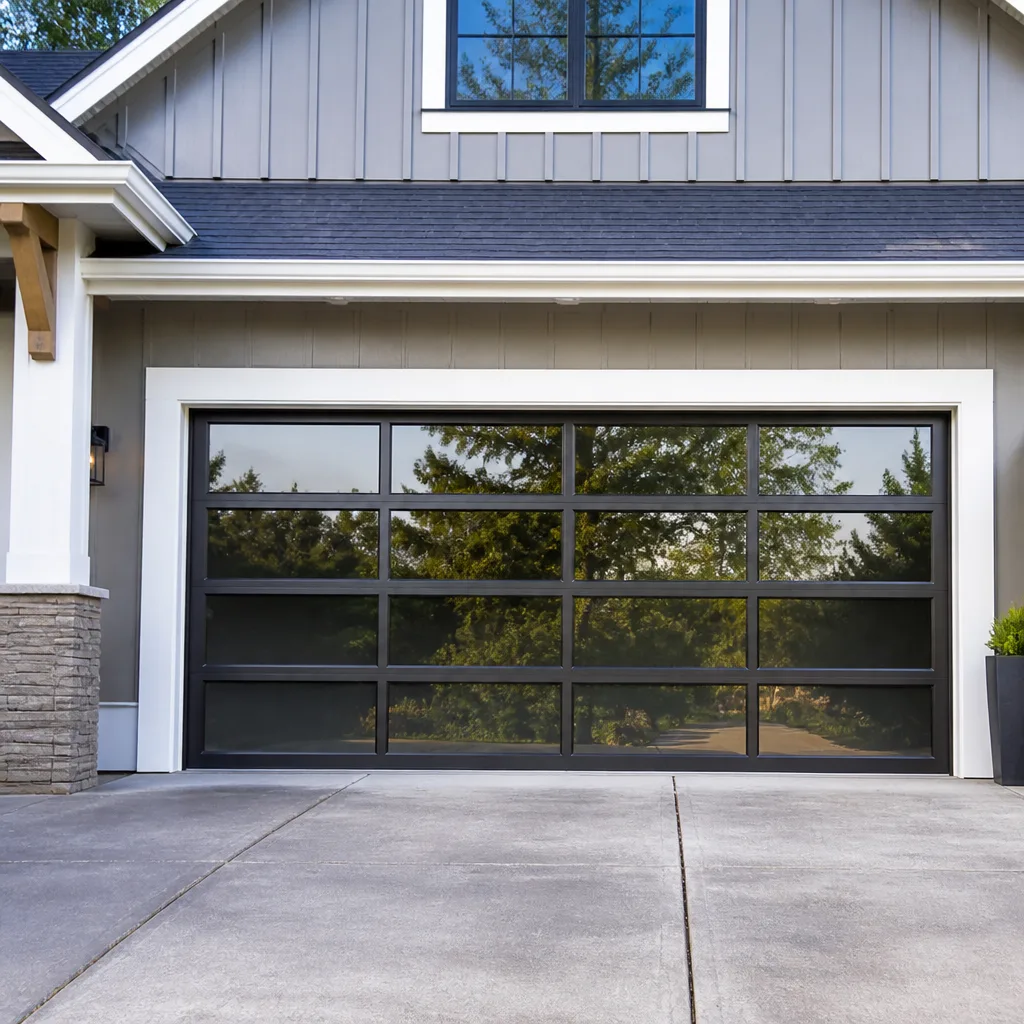
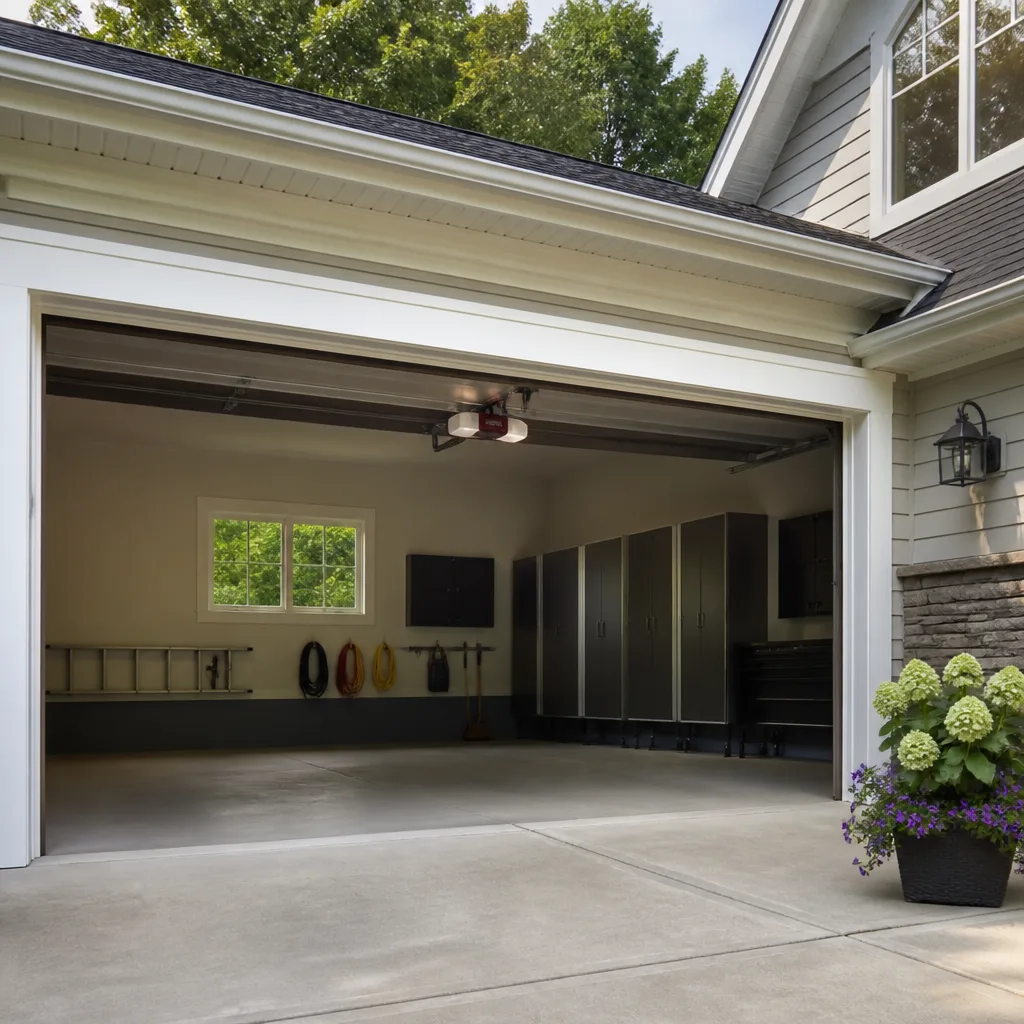
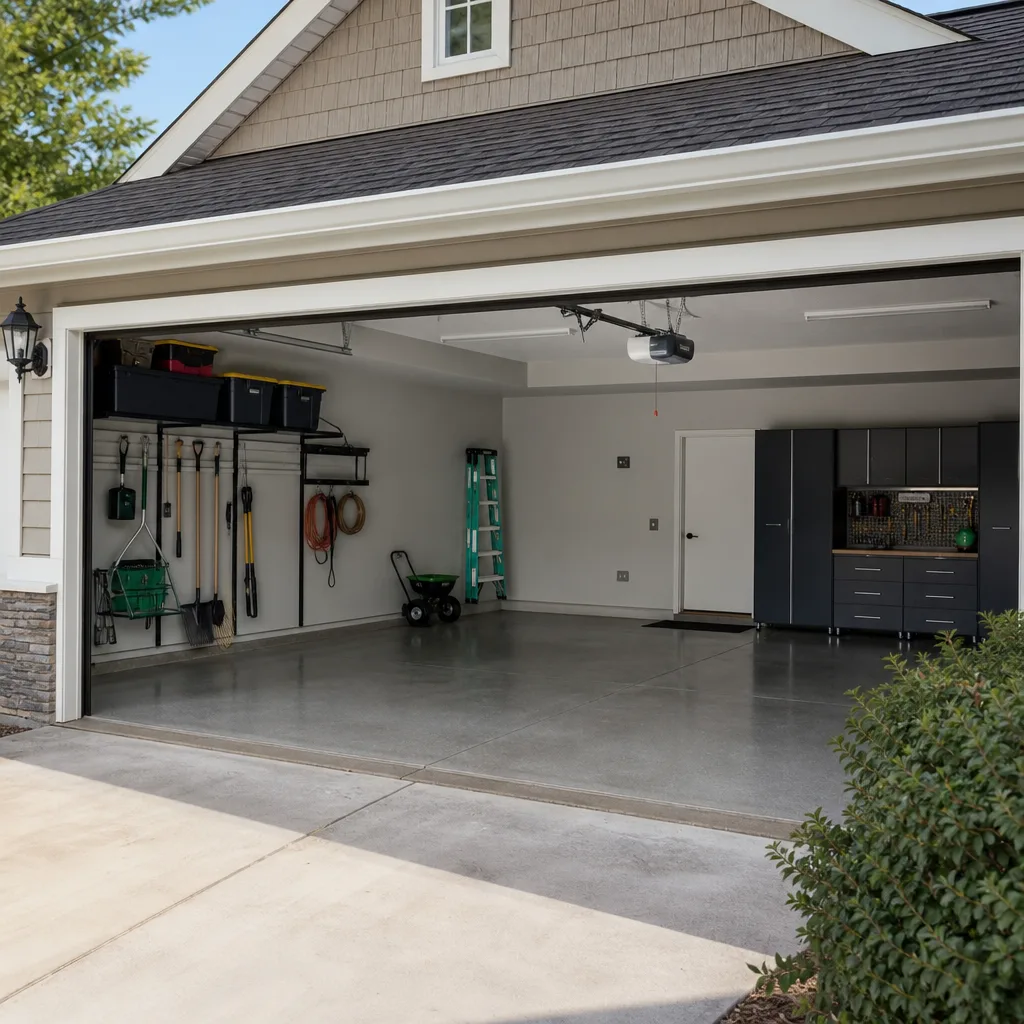
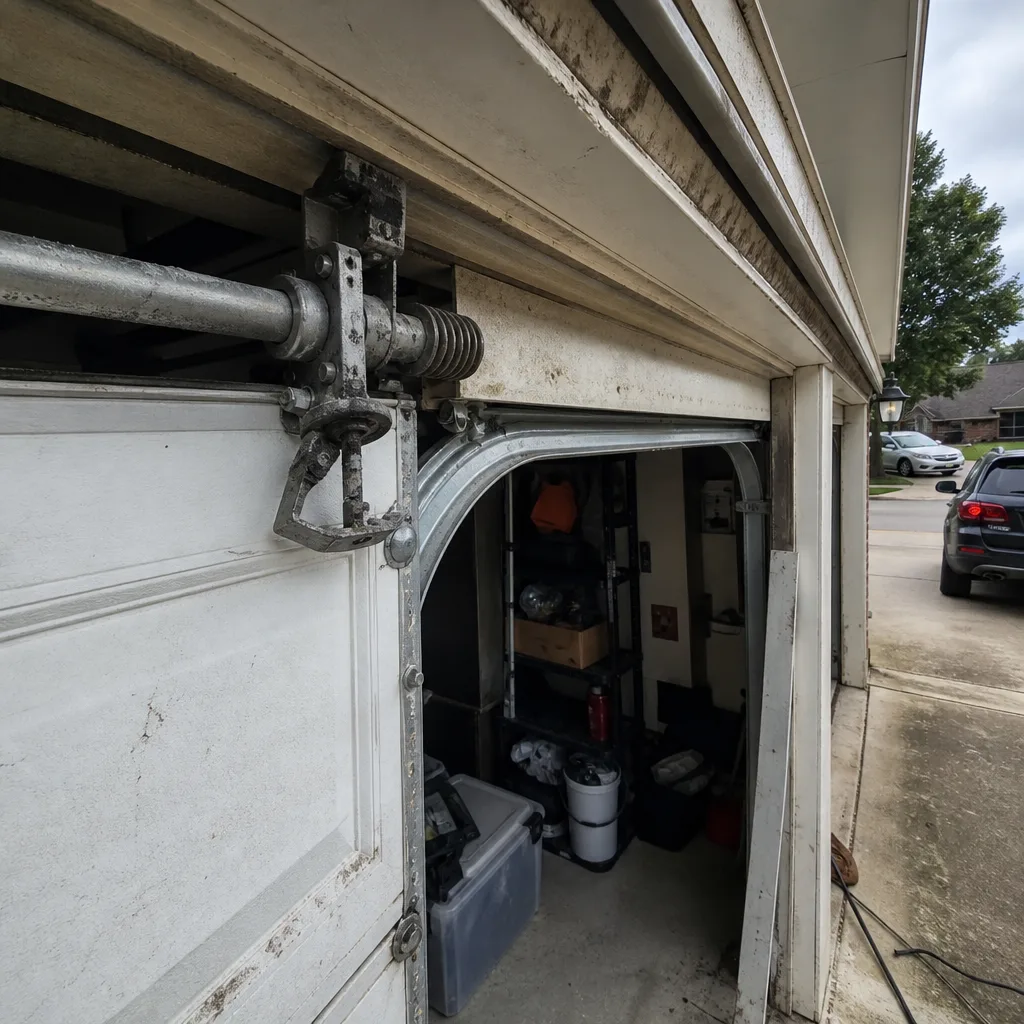 Before
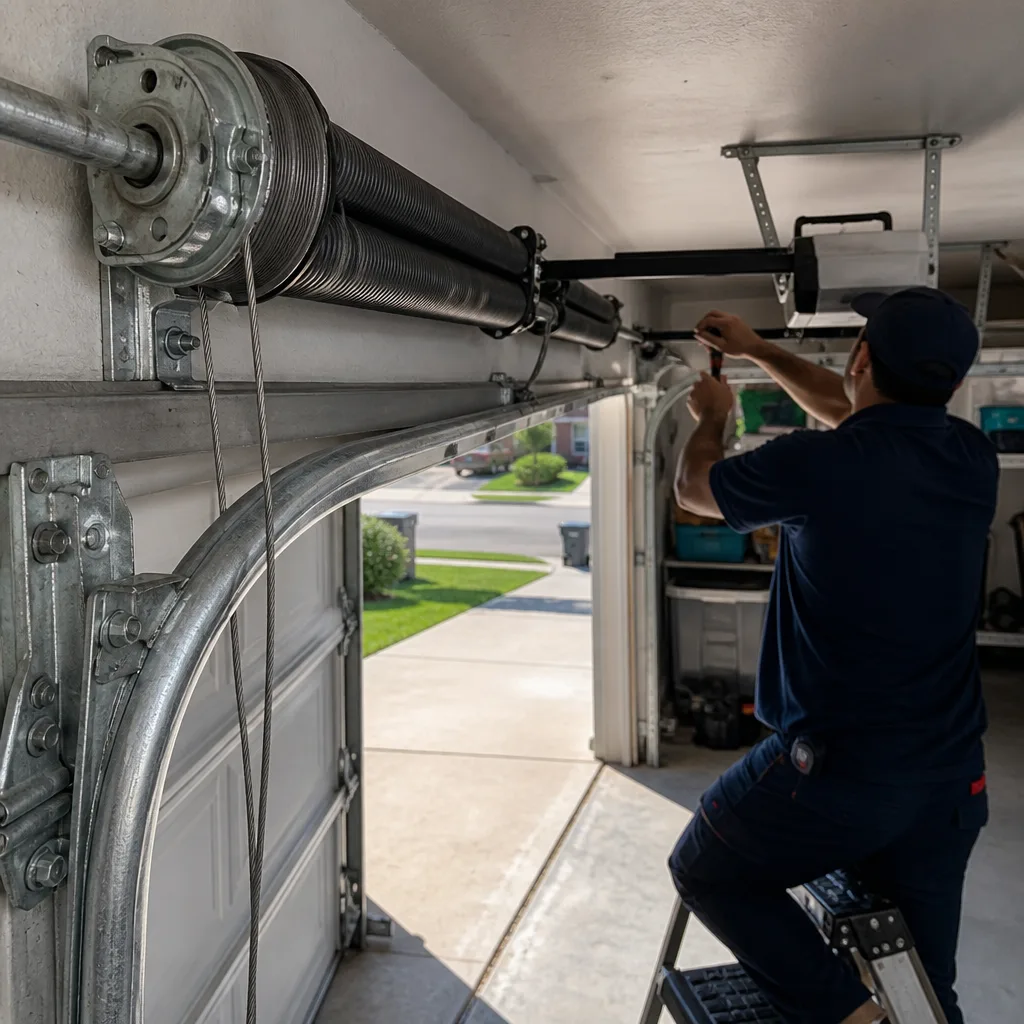 After
After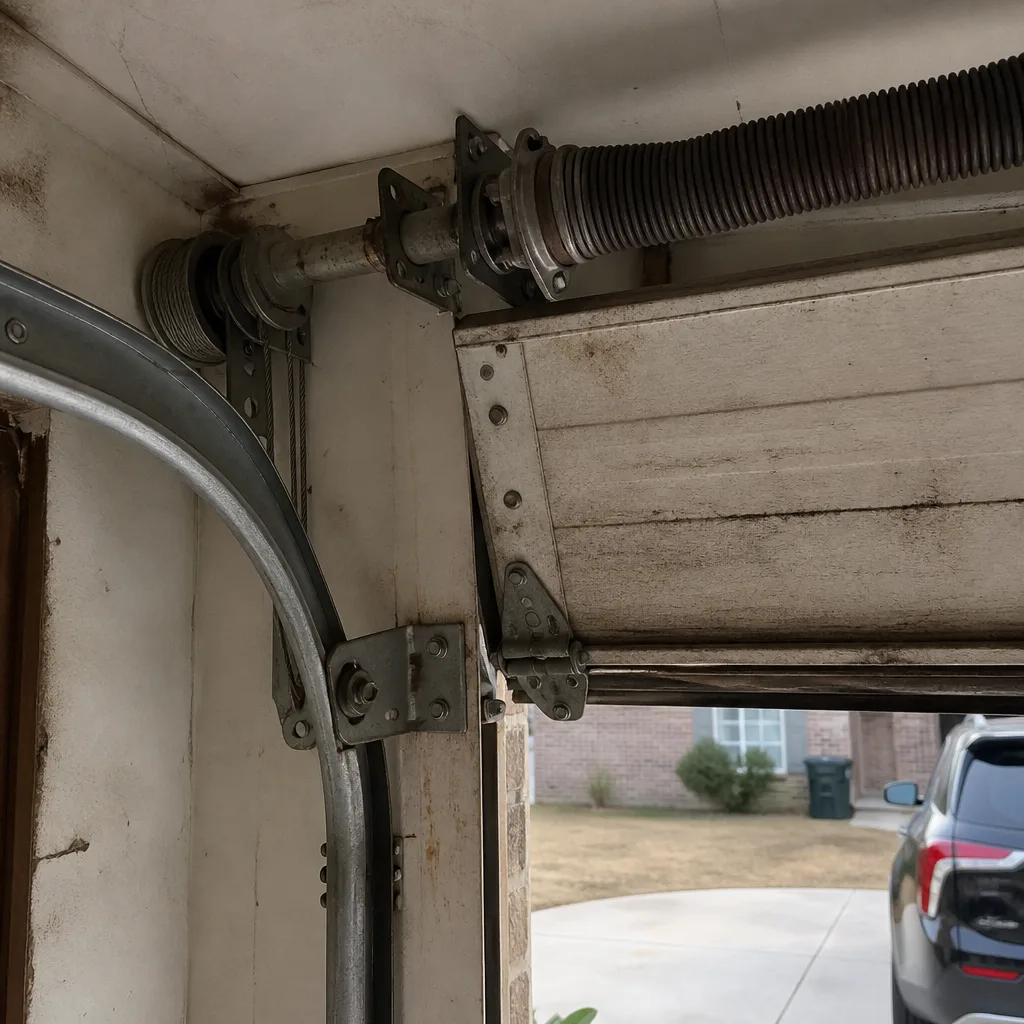 Before
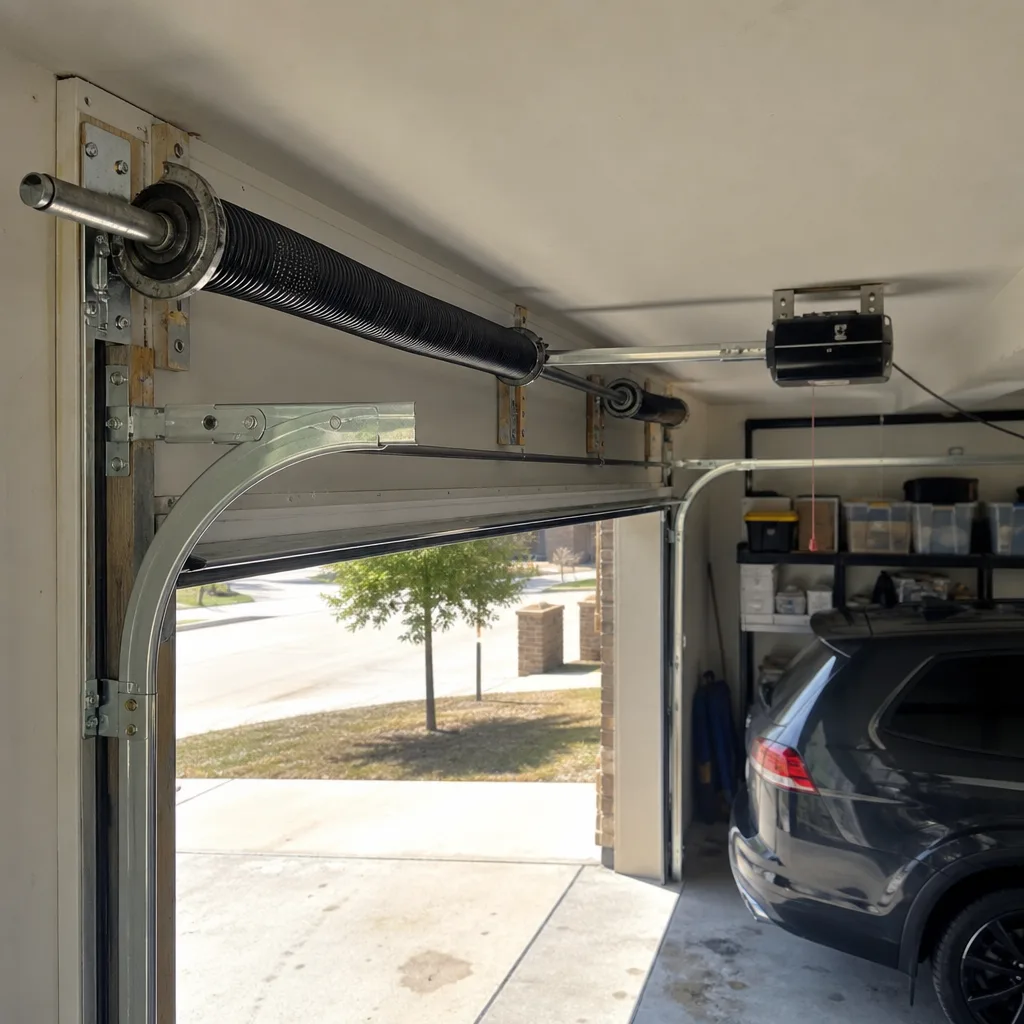 After
After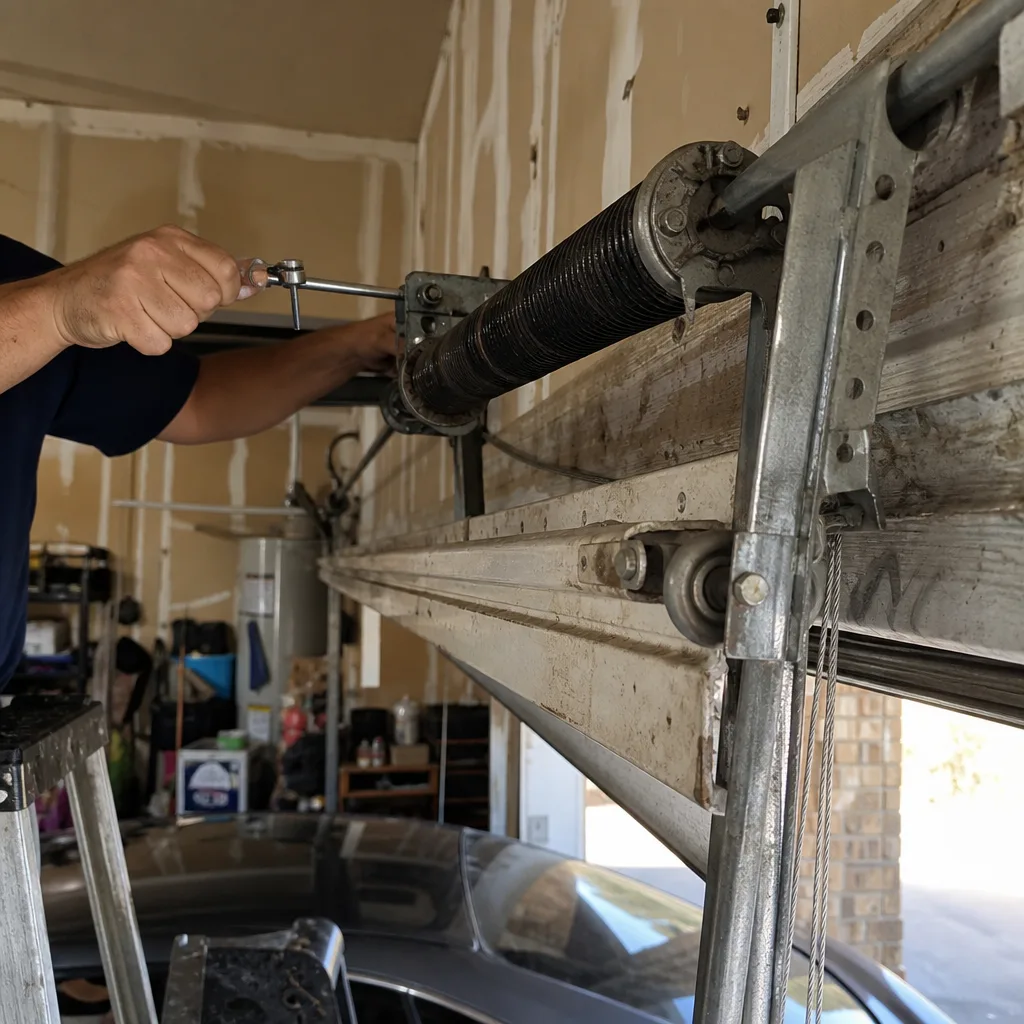 Before
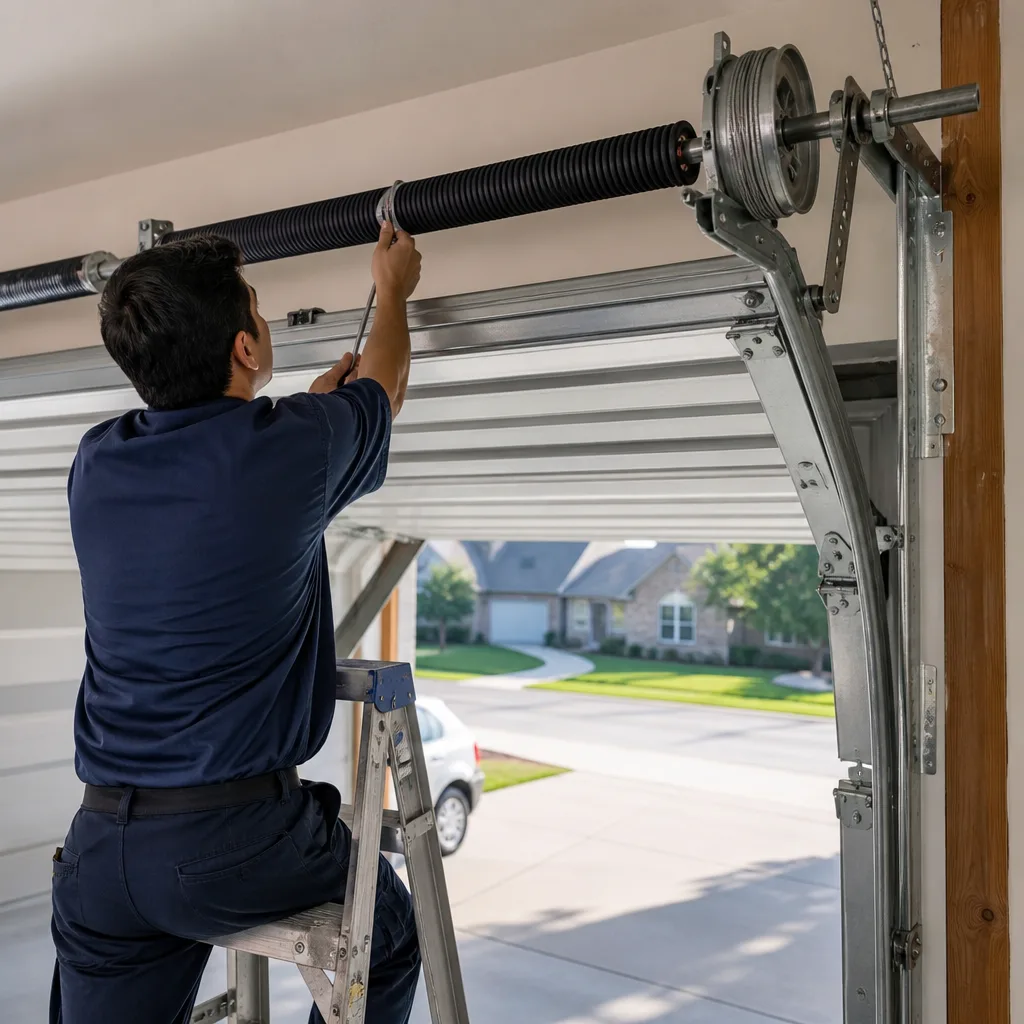 After
AfterRaynor Weather Seal Replacement: The McKinney Owner’s Guide
We replace Raynor garage door bottom weather seals in McKinney for $120-$240 installed, and we carry most Raynor-compatible T-shaped and bulb-style seals on the truck for same-day service. The part itself runs $25-$60 depending on width and material, with the rest being labor and a quick adjustment pass on the door’s travel limits so the new seal doesn’t drag. Most homeowners discover the failure the same way: a visible gap of daylight under the door, water staining on the garage floor after a heavy rain, or a seal that’s cracked, flattened, or torn at the corners. In McKinney’s summer heat, the rubber compounds Raynor uses lose their flex after five to seven years, and once the seal can’t compress evenly against the concrete, you’re looking at moisture, dust, pests, and a door that doesn’t actually close tight.
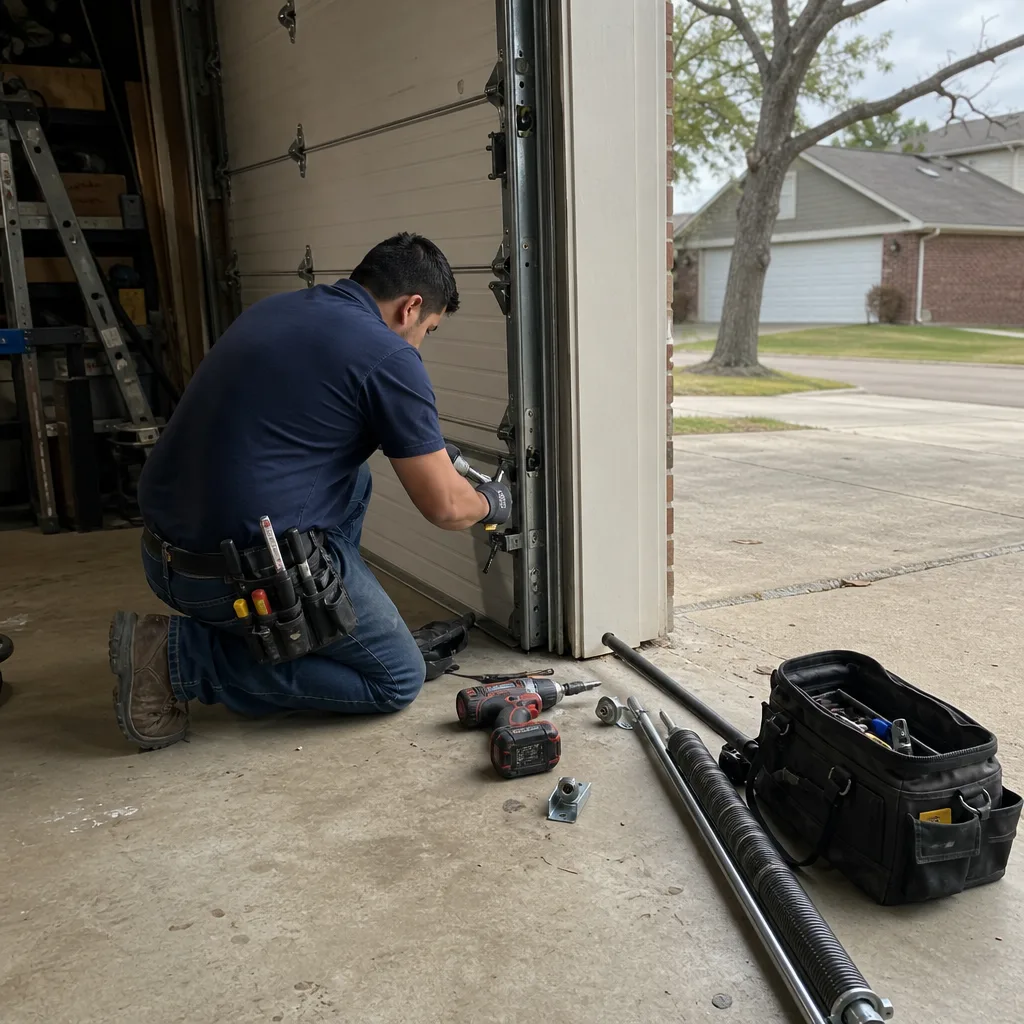
Which Raynor Models This Applies To
Raynor builds residential doors across several series, and the bottom weather seal type depends on the retainer track style rather than the door model itself. Most Raynor doors sold in North Texas, including the Aspen, Mesa, Aurora, and Poseidon series, use a single-piece T-shaped bulb seal that slides into an aluminum retainer mounted at the bottom of the panel. Older Raynor doors from the mid-2000s occasionally use a bulb-style seal with a round profile, which requires a different retainer. The cheapest way to know what you have: look at the bottom edge of the door from inside the garage. If the seal looks like it snaps into a channel and hangs down with a rounded bulb at the bottom, it’s a T-style. If it’s a flat rubber flap screwed directly to the panel, it’s an older screw-on gasket that often gets replaced with a modern retainer setup.
We install quality aftermarket seals that match Raynor’s OEM specifications for the common 3-inch and 4-inch retainers. The OEM Raynor seal is good rubber, but the aftermarket versions we stock from ProSeal and Action Industries use an EPDM compound that holds up noticeably better in Texas sun than the original PVC blends Raynor shipped a decade ago. For most McKinney homes, the aftermarket EPDM seal is the better value: same fit, longer lifespan, and we’ll show you the old one next to the new one before we install it. One compatibility gotcha worth knowing: Raynor wide-panel doors and some commercial-grade residential models use a thicker bottom panel edge that takes a 5-inch retainer channel. If you order a generic 3-inch seal online, it won’t seat properly and will fall out within a month. We measure the retainer width on-site before cutting anything.
Signs Your Raynor Weather Seal Replacement Is Failing
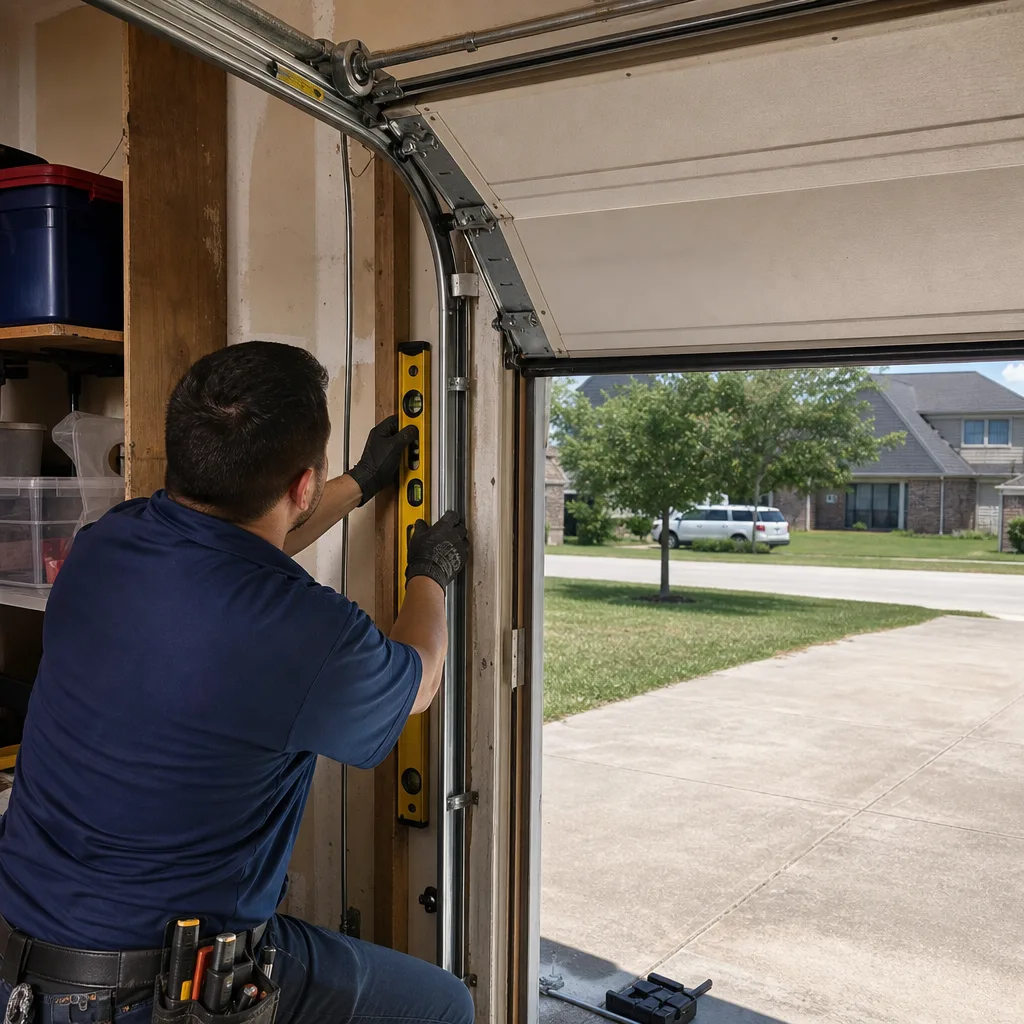
- Daylight under the door at one corner. The seal has compressed unevenly or torn at the edge, usually because the concrete settled slightly and the door now meets the floor at an angle. The fix is a new seal plus a travel-limit adjustment so the door closes square.
- Water pooling near the door after rain. McKinney gets flash storms that push water hard against north-facing garage doors. A flattened seal can’t divert runoff, and the standing water is usually the first sign the rubber has hardened past its useful life.
- A stiff, cracked, or chalky seal surface. Summer UV exposure in North Texas breaks down the plasticizers that keep the seal flexible. Once it feels like hard plastic instead of rubber, it’s done, even if it still looks installed.
- Leaves, dust, or pill bugs inside the garage along the door line. The gap under a worn seal is small, but it’s wide enough for Texas-sized dust and the bugs that follow it. If you sweep regularly and the line keeps coming back, the seal isn’t sealing.
- The door bounces slightly when it closes. A hardened seal acts like a rigid bar instead of a cushion, so the door doesn’t settle onto the floor quietly. You’ll hear a sharper thud than you used to. The fix is the same: new seal, and the limit switches checked.
BeforeAfterReplacement Cost & What’s Included
A Raynor bottom weather seal replacement in McKinney typically runs $120-$240 installed, and the price depends on two things: door width and retainer condition. A standard single door (8 or 9 feet wide) with a healthy retainer is on the low end. A double door, or a door whose aluminum retainer is bent, corroded, or missing screws, lands higher because the retainer itself may need replacement. We quote this as a flat, written price before we touch the door, per Clause 1 of The Haven Standard. No hourly billing, no surprise line items on the invoice.
What you get for that price: the seal cut to your door’s exact width, the old seal removed and the retainer channel cleaned, the new seal seated and tested for even contact across the full span, and a quick check of the door’s close-limit setting so the new seal isn’t crushed against the concrete. Every service visit also includes the documented photo record: before and after shots of the failed seal, the new one installed, and the retainer condition, delivered to you before our technician leaves the driveway. That’s the founding rule Servo was built on in 2015, and it’s now Clause 4 of The Haven Standard: you see the failed part before anyone quotes a replacement.
| Scope | Typical McKinney Price |
|---|---|
| Single door, good retainer | $120-$160 |
| Double door, good retainer | $180-$240 |
| Retainer replacement (bent or corroded) | +$40-$80 |
| Seal material only (if you DIY) | $25-$60 |
DIY or Call Us?
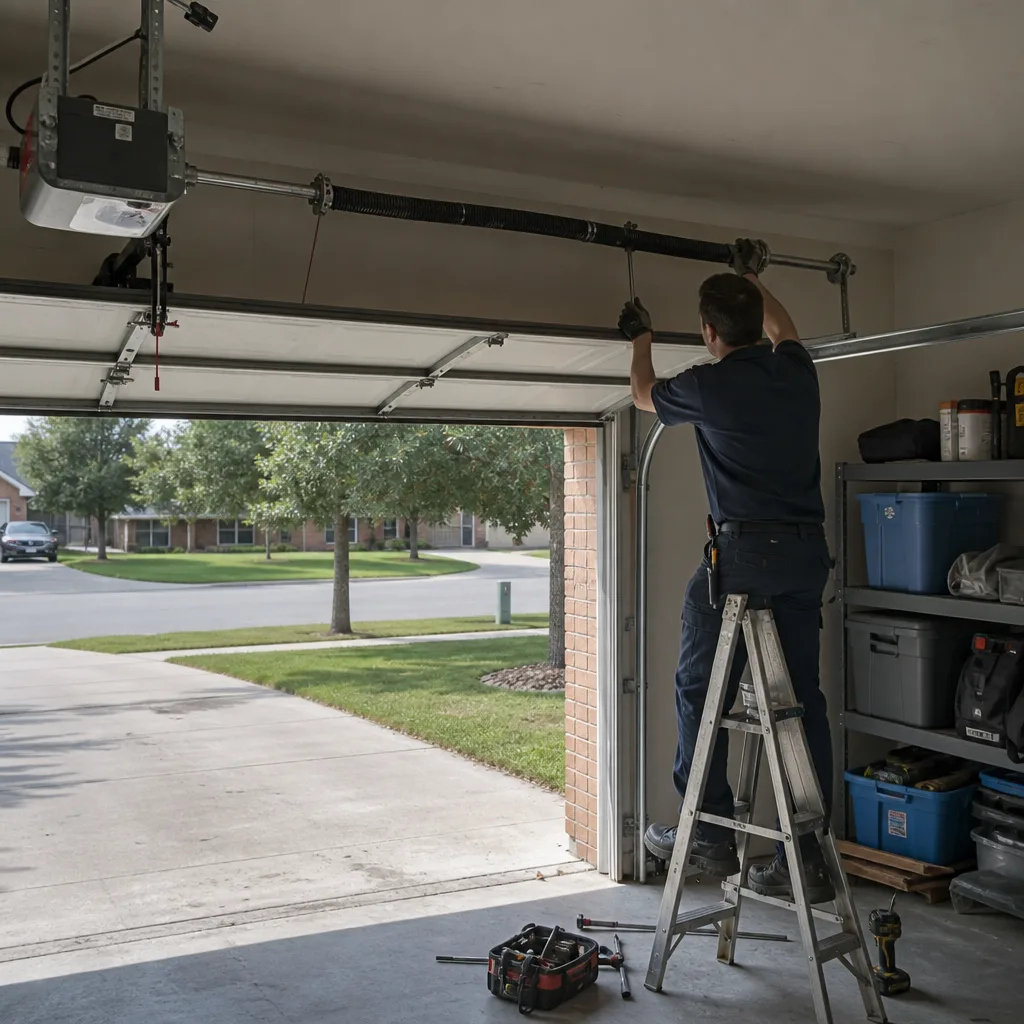
Replacing a Raynor bottom seal is one of the few garage door jobs a homeowner can attempt without high-tension risk, as long as the work stays below the springs. The danger with any bottom-seal job isn’t the seal itself, it’s what’s above it: the lift cables and torsion springs are under load even when the door is down, and reaching under the bottom panel puts your hands near the cable drums. If you want to check the seal yourself, fine: inspect it from inside with the door closed, note the retainer width, and check to see if it’s torn or hardened. But spring, cable, and roller work stays professional territory, full stop.
The more common DIY failure we see is buying a universal seal online, wrestling it into a Raynor retainer it wasn’t made for, and tearing the bead in the process. We’ve replaced a few of those. If you’d rather skip the guesswork, call us at (469) 815-7610 and we’ll bring the right seal, cut it to length, and install it the same day. The price you’re quoted is the price you pay, and you’ll have the photo record in hand when we leave.
FAQs
Five to seven years in North Texas conditions. The Texas sun bakes the rubber through the hottest months, and seals fail faster on west-facing and north-facing doors that get direct afternoon exposure or heavy storm water. If your seal is approaching five years old and you can see flattening or cracking, start planning the replacement before it fails completely. Call us at (469) 815-7610 and we’ll give you a flat price before we schedule anything.
No. Once the rubber has split, flattened, or lost its flexibility, patching doesn’t work. The tear usually happens along the bead or at a corner where the material flexes most, and any adhesive fix tears again within weeks once the door cycles. Replacement is the only repair that lasts. It’s also the cheaper path over time: a new seal is $25-$60, and we’ll tell you the price before we start.
Twenty to thirty minutes from start to finish, including removal of the old seal, retainer cleaning, installation, and the close-limit check. A retainer replacement adds another fifteen minutes or so. Most McKinney customers have us out and done the same day they call.
Yes. We carry T-shaped and bulb-style seals in the common 3-inch, 4-inch, and 5-inch retainer widths, along with EPDM upgrades for the older OEM vinyl blends. If you have a wider custom door, we’ll measure it and return with the right material, usually the next business day. We also stock parts for LiftMaster, Chamberlain, and Genie openers, so if the seal is only half the story, we can handle the rest in one visit.
Call Servo Garage Doors McKinney for Raynor Seal Replacement
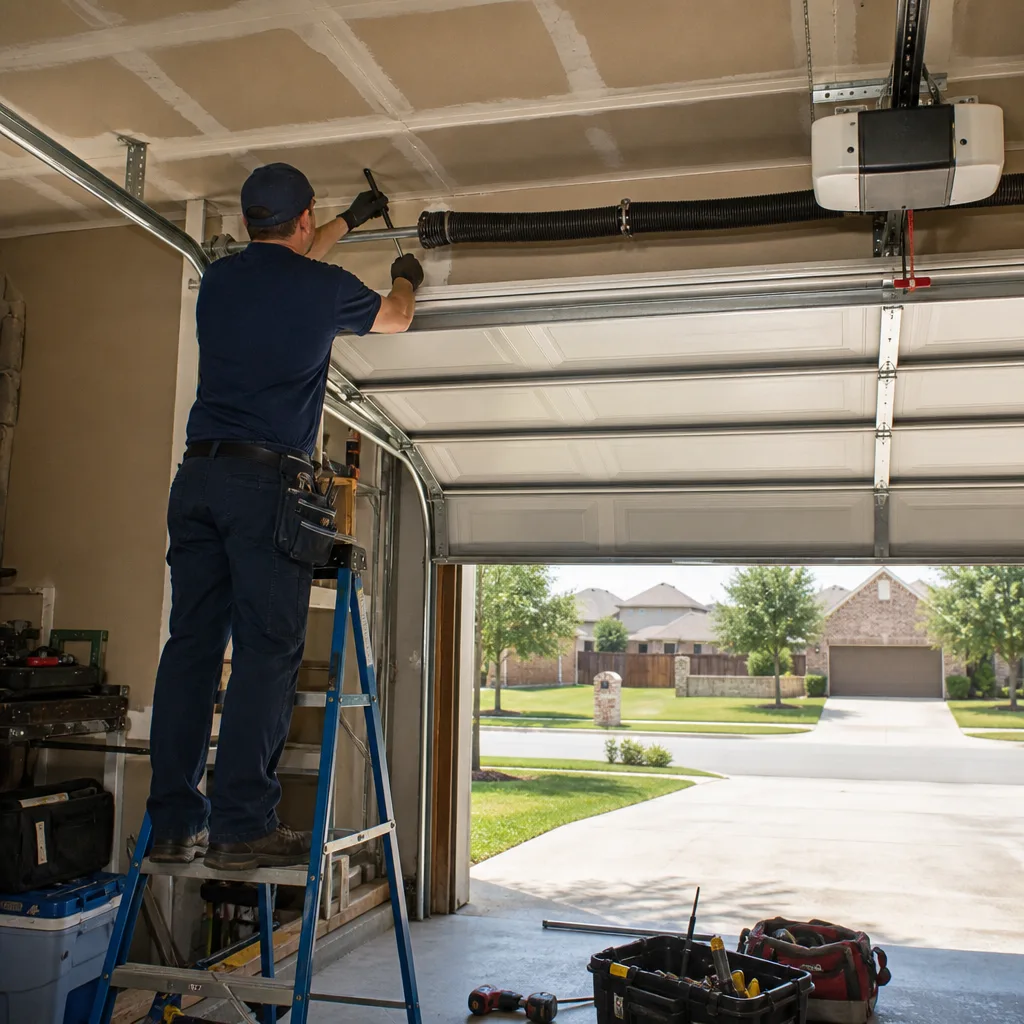
If your Raynor door is showing daylight at the threshold, call (469) 815-7610. You’ll get a real person, a flat written price before we schedule the job, and a technician who names the failure before naming the fix. Marcus Deller and the Servo team serve McKinney, including homes out near Craig Ranch and up and down the 121 corridor, with the same routine on every job: written scope first, photo record at the end, and a seal that actually seals. We’re independently owned and operated under The Haven Standard, and we’re not affiliated with Raynor. What we are is the shop that documents the work. That’s the whole point.
Written by Marcus Deller, Owner, Servo Garage Doors McKinney at Servo Garage Doors McKinney, serving McKinney and nearby areas.