
Full 25-point door and opener safety check with every visit - springs, cables, rollers, tracks, and your LiftMaster or Chamberlain opener included
You get a price before we start. It does not change when the truck arrives.
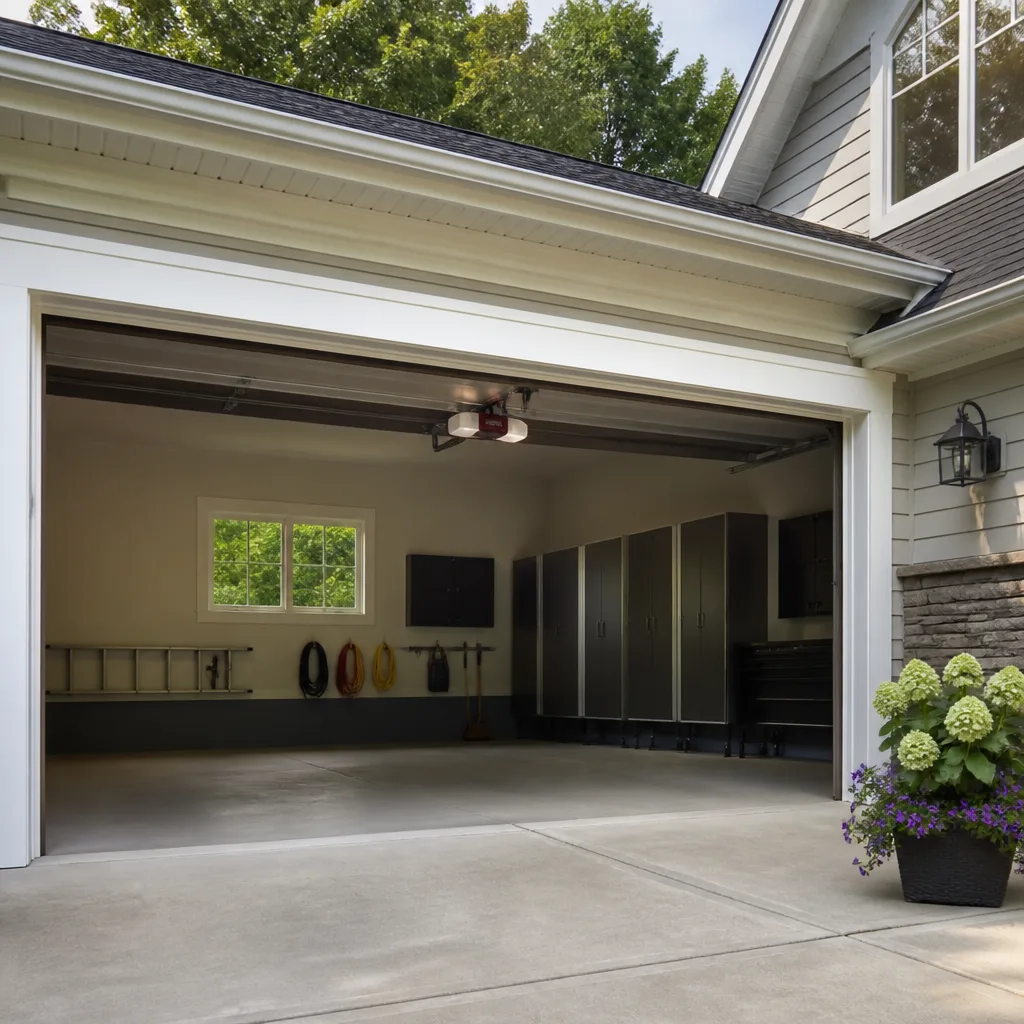
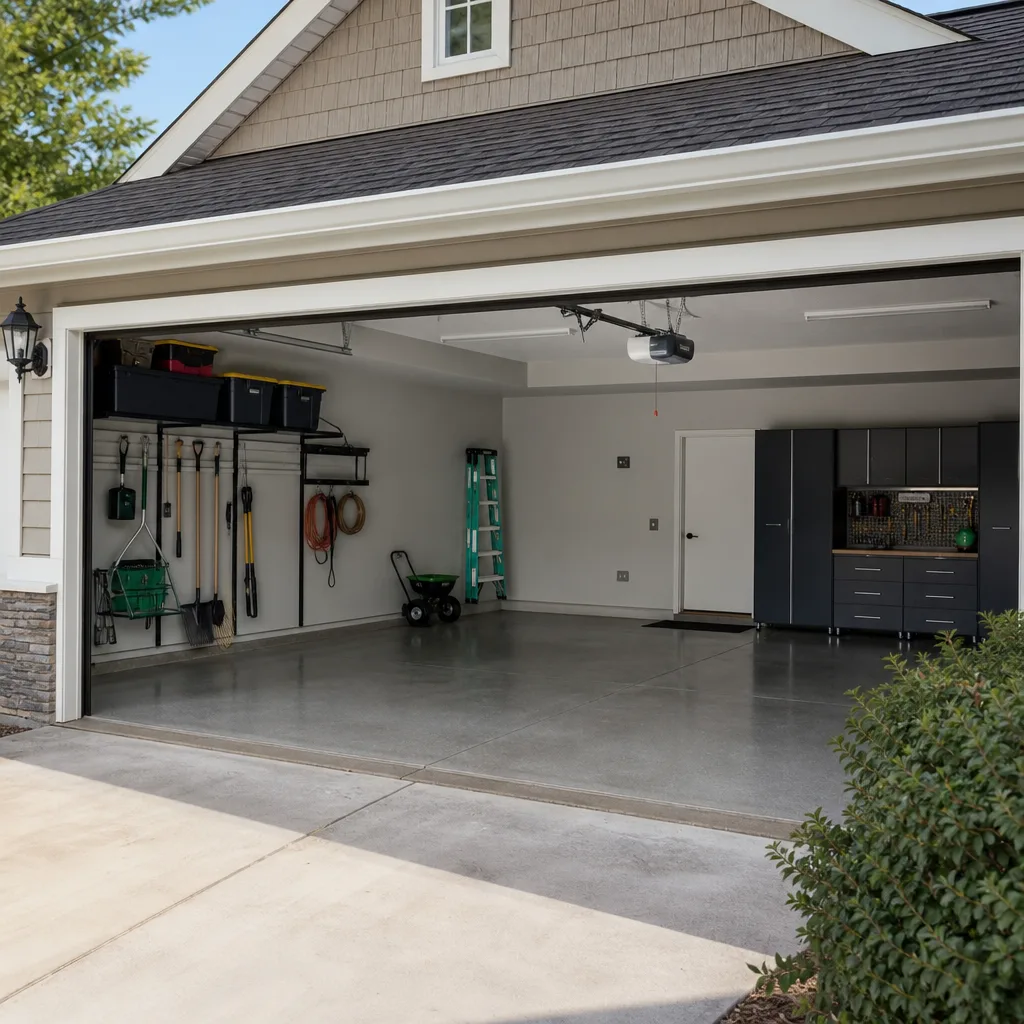
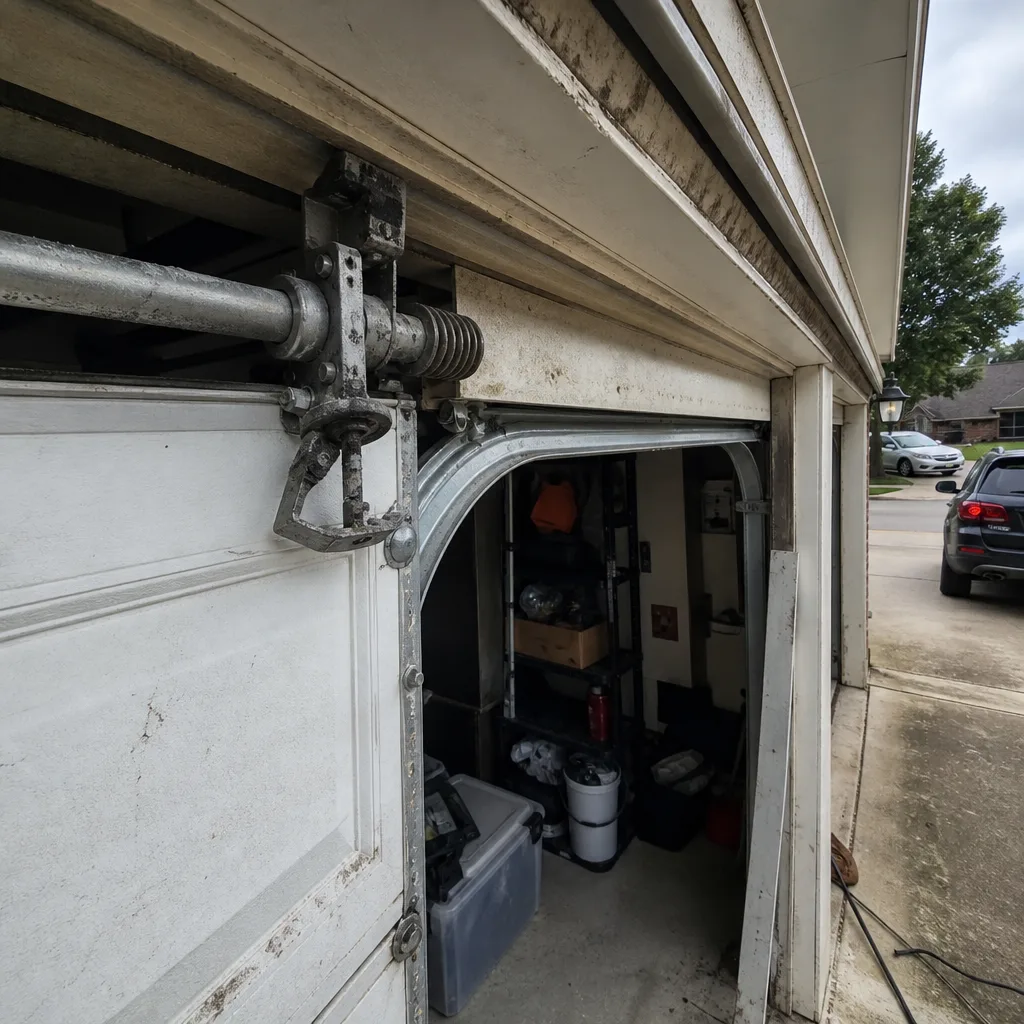 Before
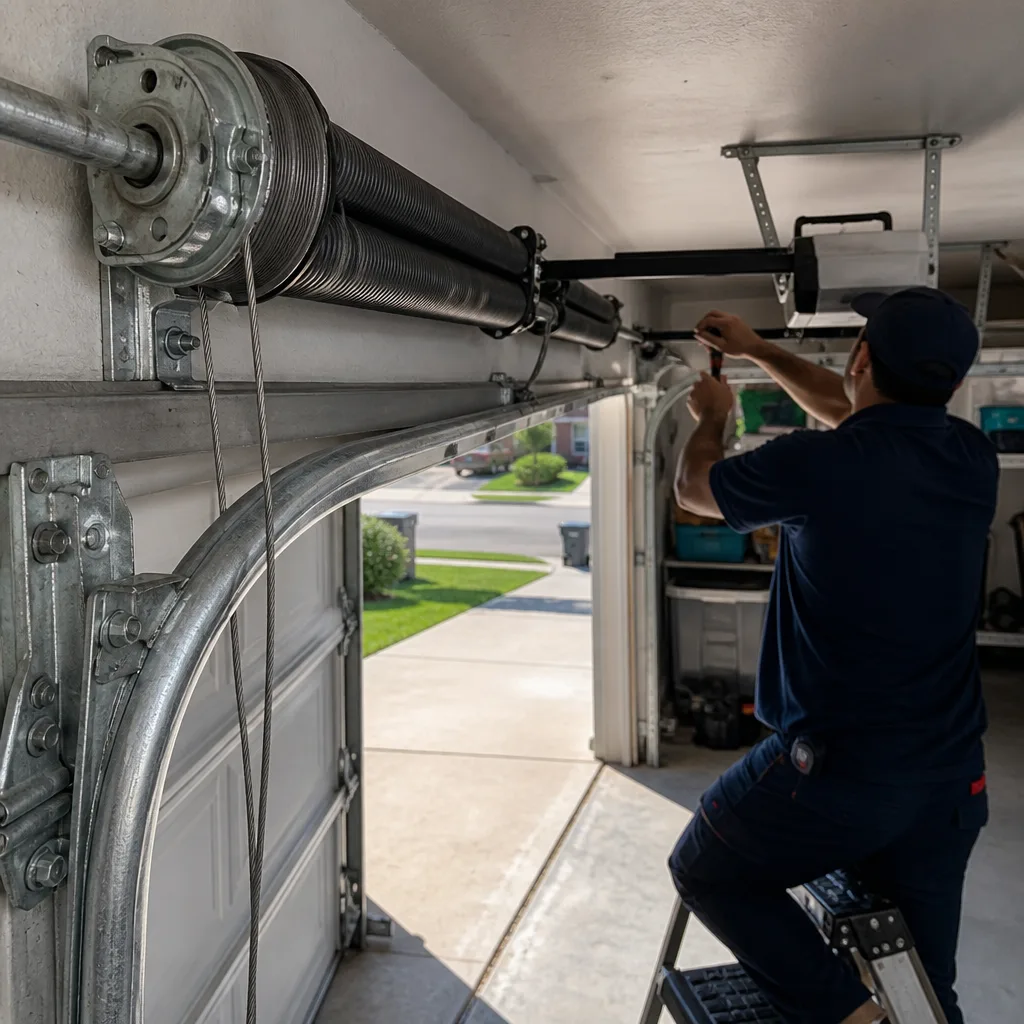 After
After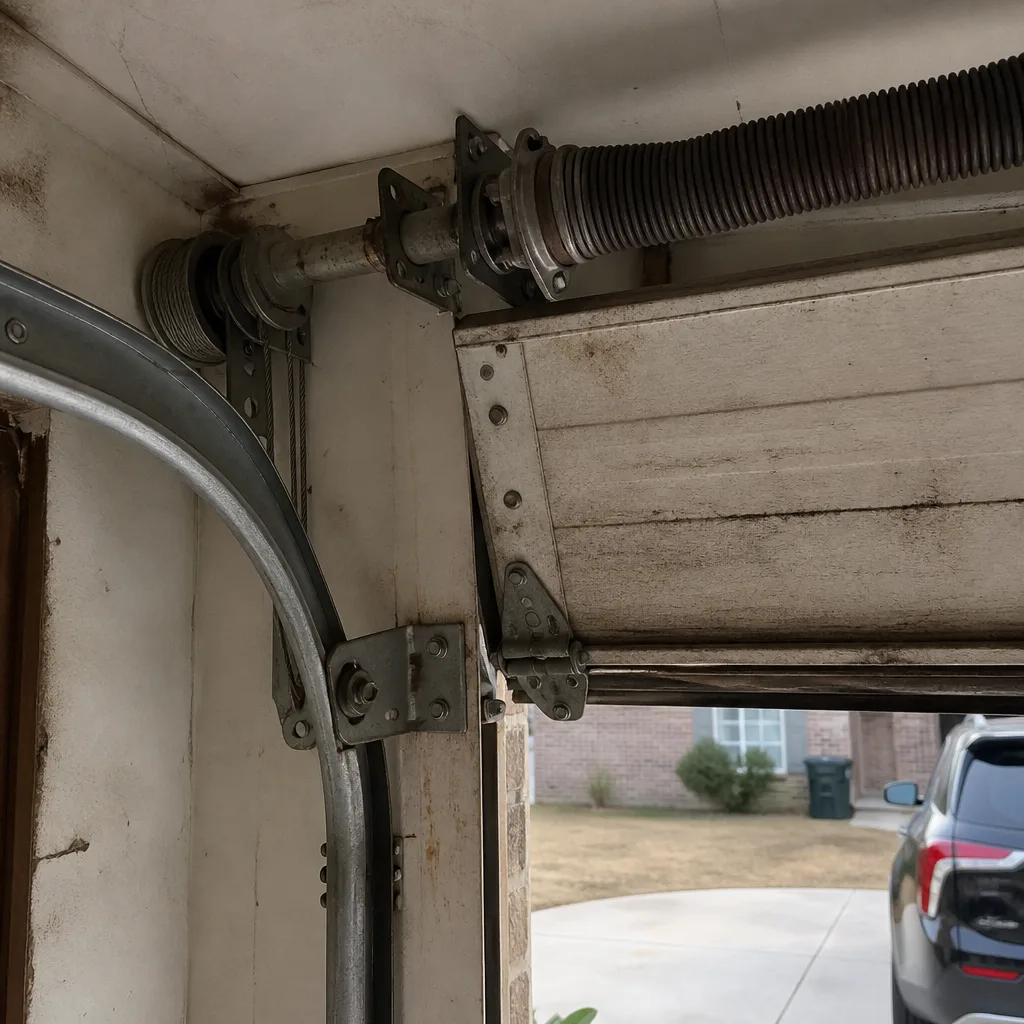 Before
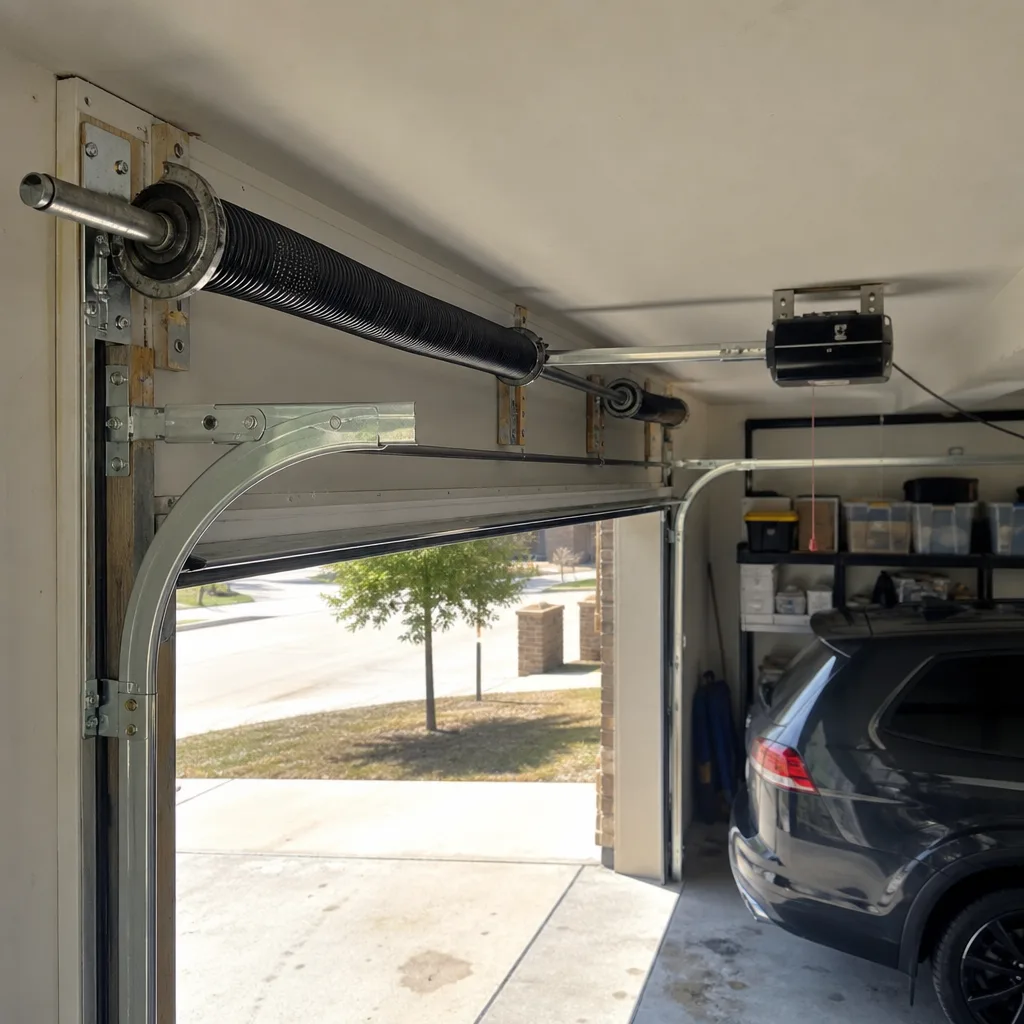 After
After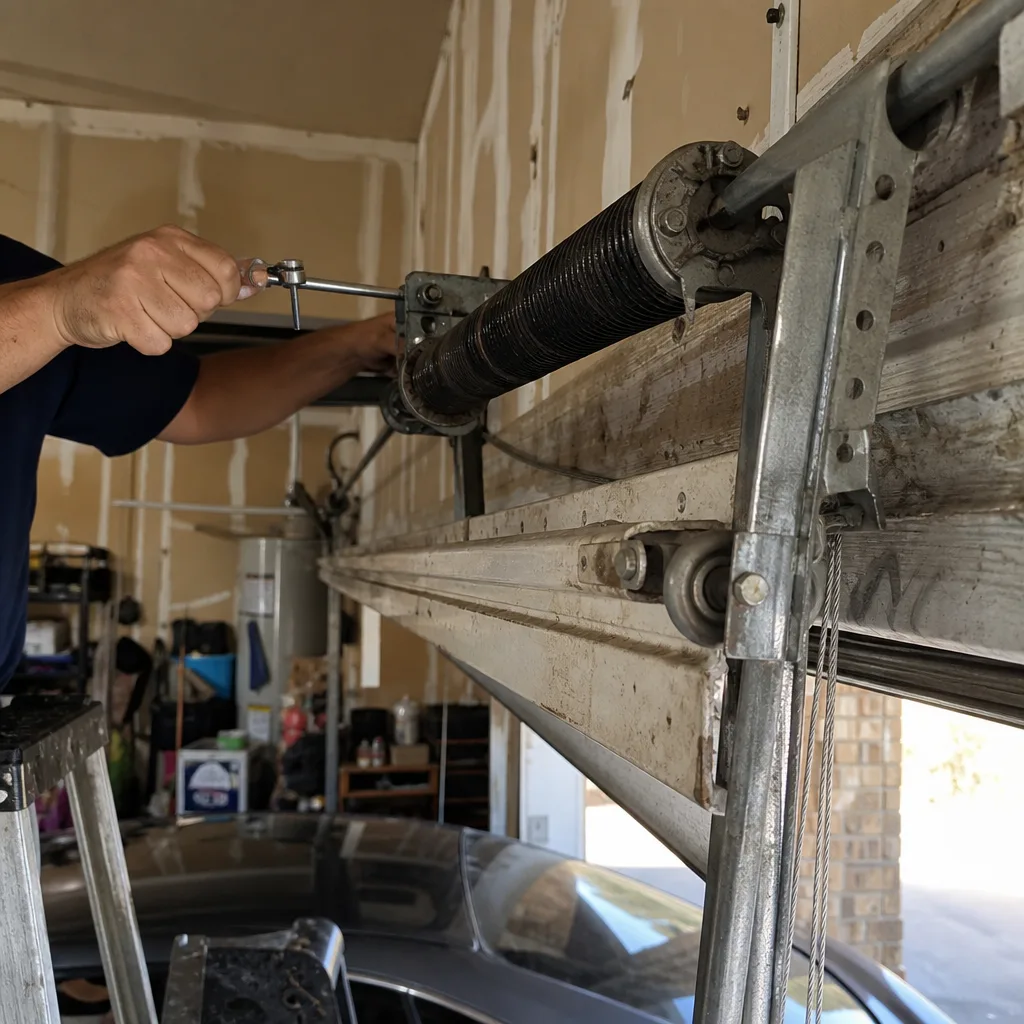 Before
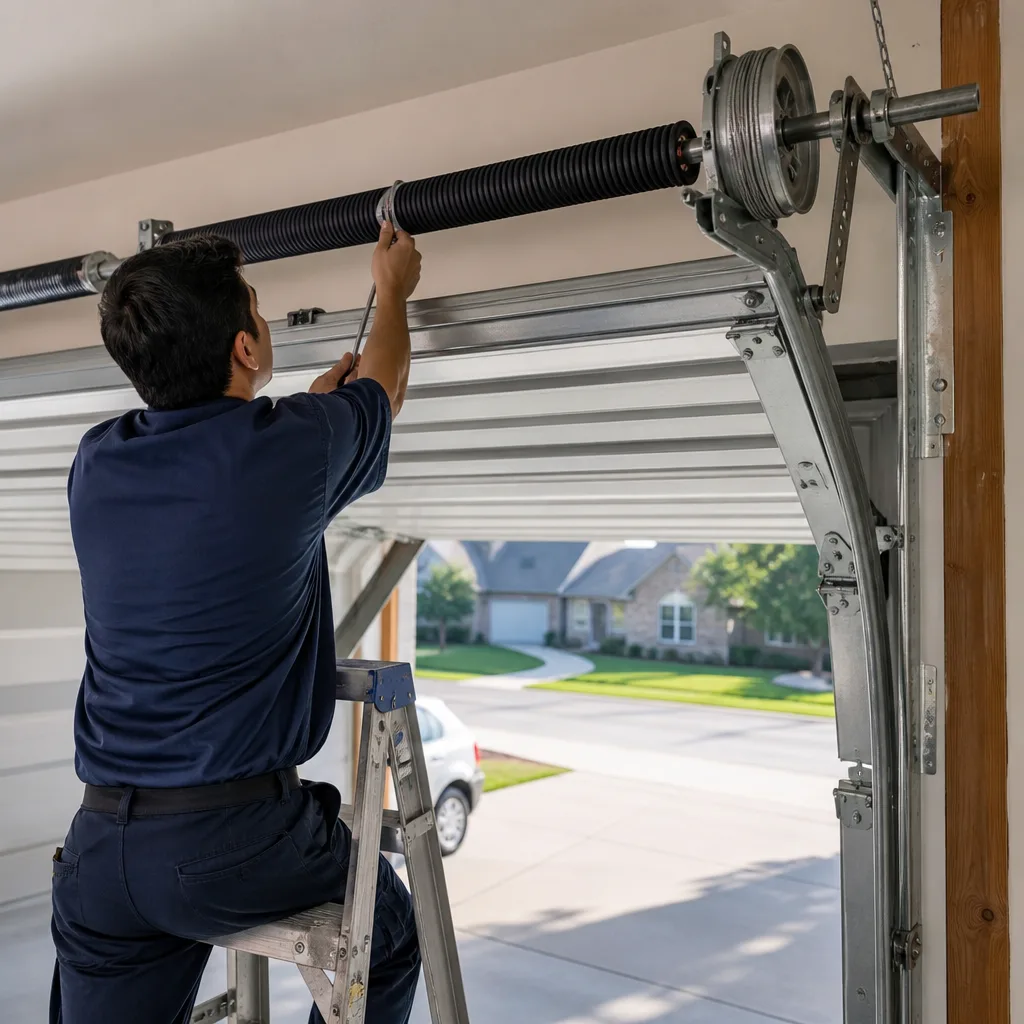 After
AfterRaynor Roller Replacement: The McKinney Owner’s Guide
Raynor roller replacement in McKinney typically runs $110 to $220 installed, parts and labor included. We carry Raynor-compatible rollers on the truck and can usually get your door running smooth again the same day you call. Most McKinney homeowners discover a roller has failed because the door suddenly sounds like it’s dragging a bag of gravel up the track, or it jerks and hesitates halfway through the cycle. Sometimes the roller has simply worn flat on one side. Other times the wheel has split entirely and the stem is grinding against the hinge.

A roller is the small wheel that rides inside the vertical and horizontal tracks, keeping the door centered as it moves. When one fails, the door doesn’t just get loud. It starts pulling unevenly, which puts extra strain on the cables, hinges, and eventually the opener motor. Addressing it early is the difference between a $110 parts call and a much larger repair down the line.
Which Raynor Models This Applies To
Raynor uses standard 2-inch and 3-inch roller configurations across most of its residential line, but there’s a compatibility detail worth knowing before you buy parts online. Raynor doors built after roughly 2010, particularly the Aspen, Pinnacle, and RockCreeke series, commonly ship with 11-ball bearing nylon rollers that hold up well in Texas heat. Older Raynor models, including the Centura and Decade series from the 1990s and early 2000s, often used a 10-ball bearing design or a steel roller with a smaller stem diameter.
The stem is the part that snaps into the hinge. Raynor hinges are drilled for either a 7/16-inch or a 5/16-inch stem, depending on the door’s age and weight class. If you’re measuring at home, pull a single roller and check the stem diameter with a caliper or even an open-end wrench. That one measurement tells us more than the model name does. For Raynor specifically, we default to OEM-spec nylon rollers with sealed bearings. Quality aftermarket equivalents from makers like DuraLift work fine on most Raynor doors, but on heavier doors, say a 16-foot insulated Raynor, we’d rather put in a roller rated for the weight than save a few dollars on a generic part.
Servo Garage Doors McKinney is an independent service provider. We’re not affiliated with Raynor, but we stock Raynor-compatible parts and service their doors regularly across McKinney.
Signs Your Raynor Roller Replacement Is Failing
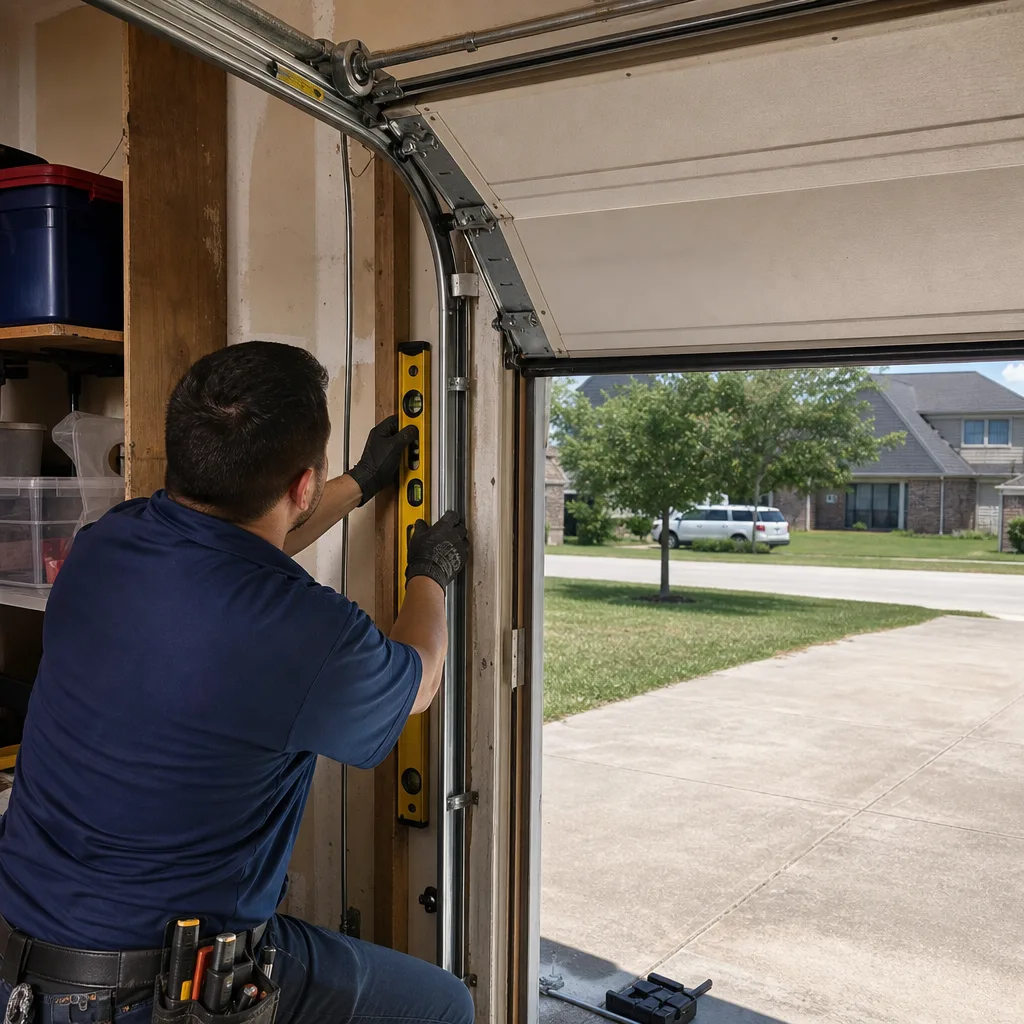
- The door sounds like it’s grinding or scraping as it moves. This is the most common first sign. A roller with worn or seized bearings stops turning and starts sliding along the track instead. The noise is metal dragging against metal, and it usually gets worse within a week or two.
- The door jerks or shudders mid-cycle. When one roller stops rolling freely, that corner of the door drags while the other corners keep moving. The result is a visible stutter, especially on the way up. It’s often mistaken for an opener problem.
- One side of the door sits slightly lower than the other. A collapsed roller drops that corner by a quarter inch or more. If you stand in the driveway and sight along the top edge of the door, the difference is visible before the door even moves.
- You can see flat spots or cracks in the roller wheel. Nylon rollers wear unevenly, especially in McKinney summers when repeated heat cycles make the material more brittle. A flat spot means the wheel isn’t rolling, it’s thumping. A cracked wheel is on borrowed time.
- The roller stem is loose in the hinge. This one matters because a loose stem allows the roller to wobble out of the track. Wiggle the roller by hand with the door closed. If it rocks side to side more than a few degrees, the stem or the hinge sleeve is worn.
BeforeAfterReplacement Cost & What’s Included
Most Raynor roller replacements in McKinney land between $110 and $220 installed. The lower end is a straightforward swap on a standard 7-foot door, assuming we’re replacing rollers only and the hinges, tracks, and cables are in good shape. The higher end covers 11-ball bearing rollers on larger or heavier doors, roller replacements paired with hinge work, or jobs where the track alignment needs attention to prevent the new rollers from wearing prematurely.
Here’s how the pricing usually breaks down:
- Basic roller set (10 rollers, standard nylon, 7/16-inch stem): $110-$150 installed
- Heavy-duty 11-ball bearing rollers, 16-foot door: $150-$190 installed
- Rollers plus hinge or bracket replacement: $170-$220 installed
Every quote is written and delivered before any work starts. That’s Clause 1 of The Haven Standard. The price we hand you is the price on the invoice, and it includes the parts, the labor, and the photo record of what came off your door and what went on. The work is covered by our 365-Day Done Right Promise: if a roller we install fails within a year, we make it right at no charge.
DIY or Call Us?
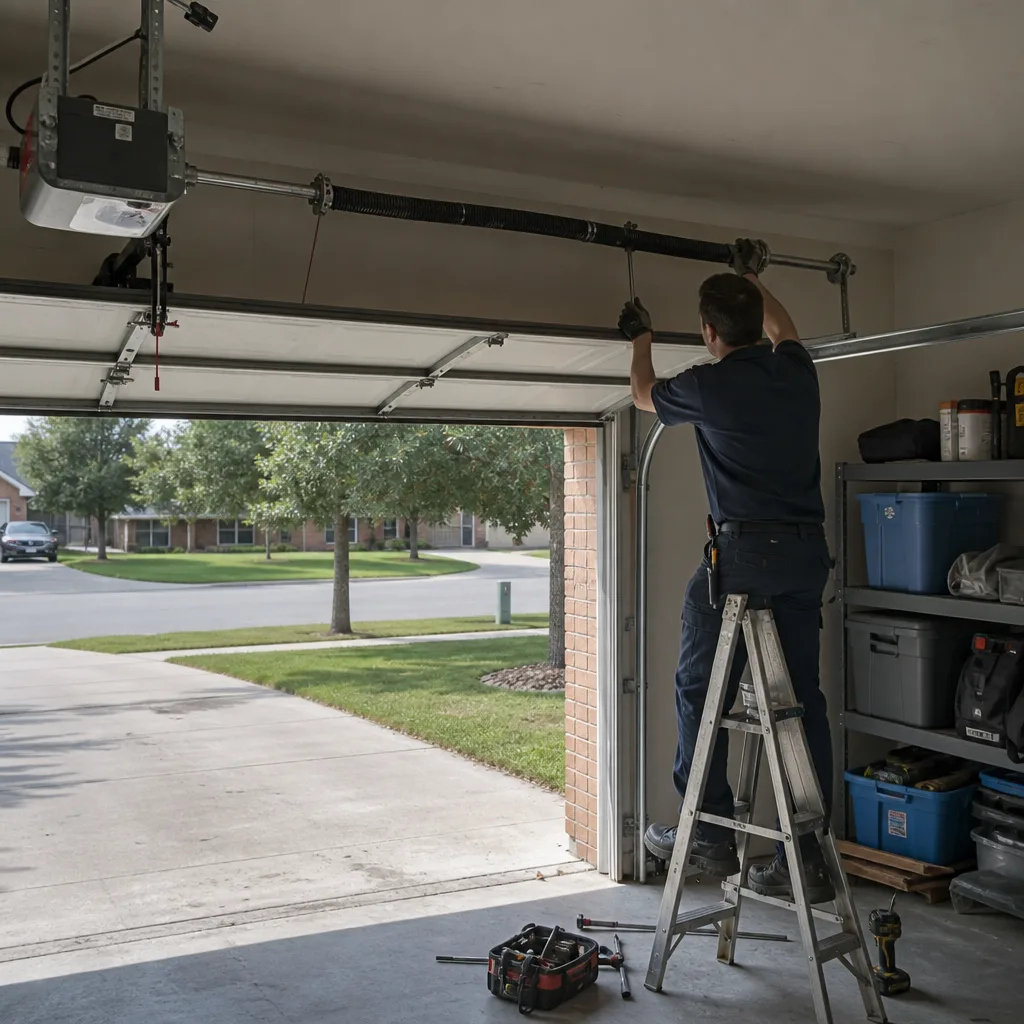
Roller replacement is one of the safer garage door repairs to attempt, but there’s a clear line between what’s reasonable and what isn’t. You can safely inspect your rollers: with the door closed, look at each wheel for flat spots, cracks, or wobble. You can also pull the roller out of a bottom hinge if the door is fully open and the track is unweighted. That’s a five-minute job with a flathead screwdriver.
What you should not do is remove a bottom roller from a door that’s under tension. The bottom brackets on most Raynor doors are attached to the lift cables, and those cables run to a torsion spring wound tight enough to hold hundreds of pounds. If the cable slips while you’ve got the bracket loose, the spring releases instantly. We’ve seen the after-effects in garages across McKinney: bent tracks, shattered panels, and a few close calls. The springs on Raynor doors carry serious stored energy. That’s not a caution, that’s a measurement.
If the failed roller is on a bottom bracket, or if the door shows any sign of cable wear, call us at (469) 815-7610. We’ll diagnose it, photograph it, and hand you a written price before a single tool comes off the truck. Marcus Deller keeps a worn set of door weight load tables in the truck because he’d rather do the math twice than replace a cable once. That math is free.
FAQs
Expect 7 to 10 years from OEM Raynor nylon rollers in the Dallas area, with steel rollers sometimes failing sooner. McKinney’s summer heat cycles and occasional winter freezes make the nylon more brittle over time, which is why we see crack failures more often here than in milder climates. If your door is 10 years old and the rollers have never been replaced, you’re likely due.
No. Once the nylon wheel is cracked, flat-spotted, or the bearing is seized, there’s nothing to repair. The part is pressed and sealed at manufacture. Replacement is the only fix, and it’s a considerably cheaper fix than the hinge, cable, and track damage a failed roller causes if left alone.
A standard roller swap on a Raynor door takes 30 to 45 minutes from the first photo to the final torque check. If we’re doing a full set of 10 rollers plus hinge lubrication, plan on about an hour. You’ll get a documented photo record of the work when we leave, per our standard on every visit.
Yes. We carry Raynor-compatible rollers in 7/16-inch and 5/16-inch stem sizes, both standard and 11-ball bearing, along with parts for LiftMaster, Chamberlain, and Genie openers. When you call (469) 815-7610, we can usually tell you over the phone whether we’re walking in with the part you need or ordering it same-day.
Written by Marcus Deller, Owner, Servo Garage Doors McKinney, serving McKinney and nearby areas.