
Last updated September 20, 2026
Full 25-point door and opener safety check with every visit - springs, cables, rollers, tracks, and your LiftMaster or Chamberlain opener included
You get a price before we start. It does not change when the truck arrives.
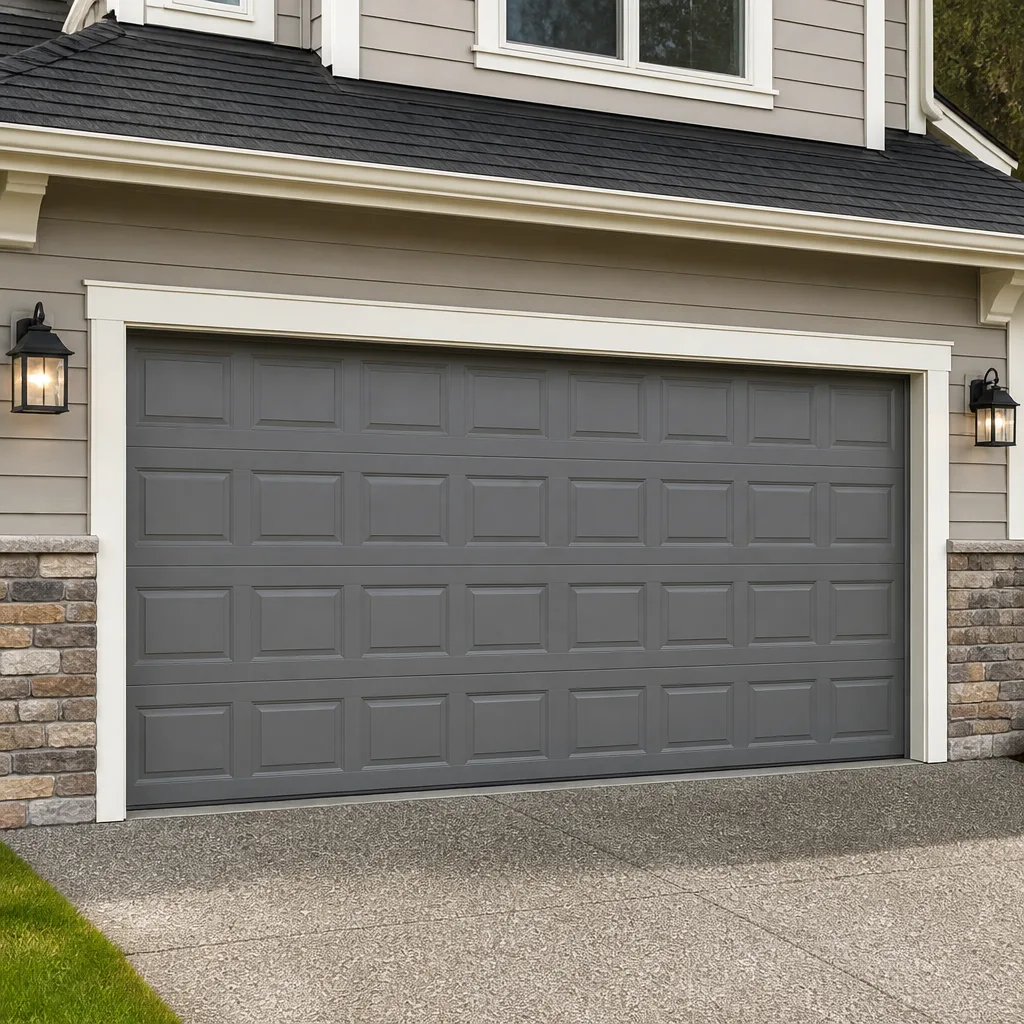
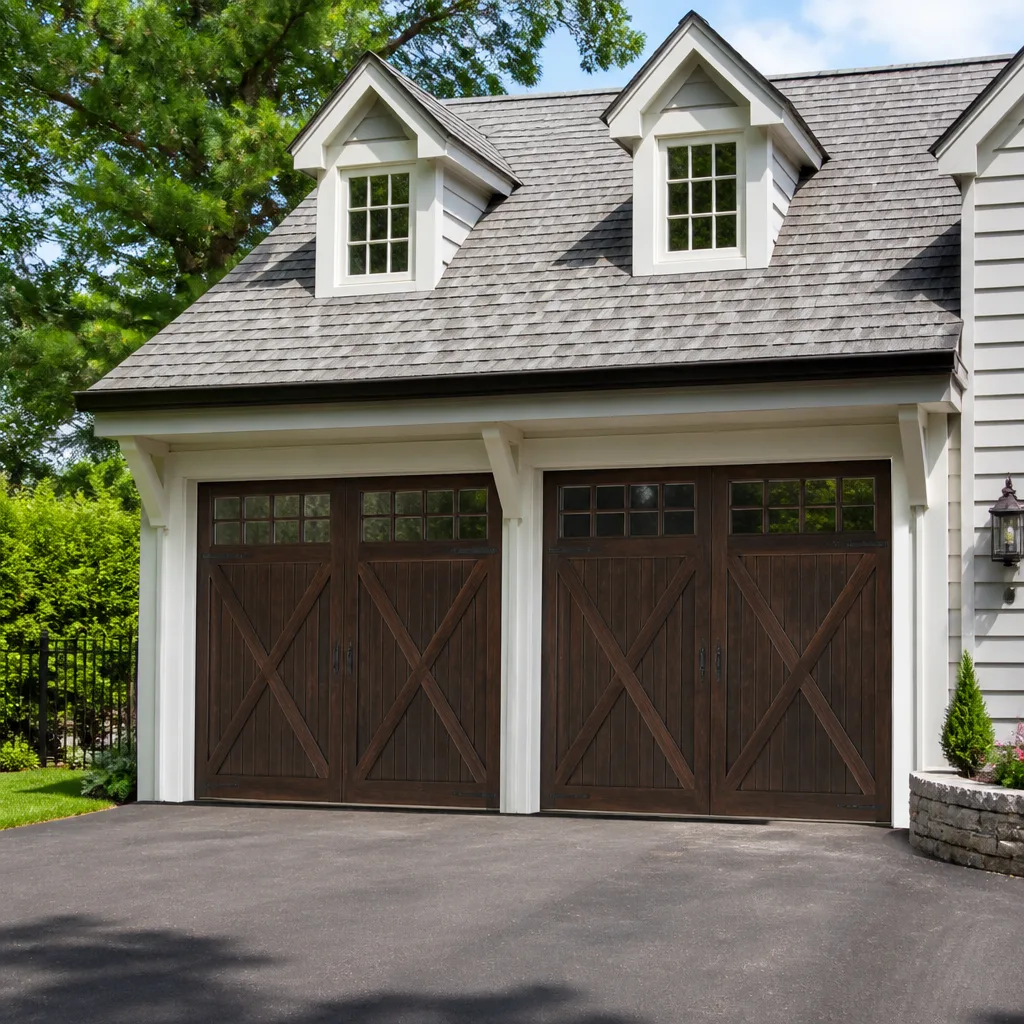
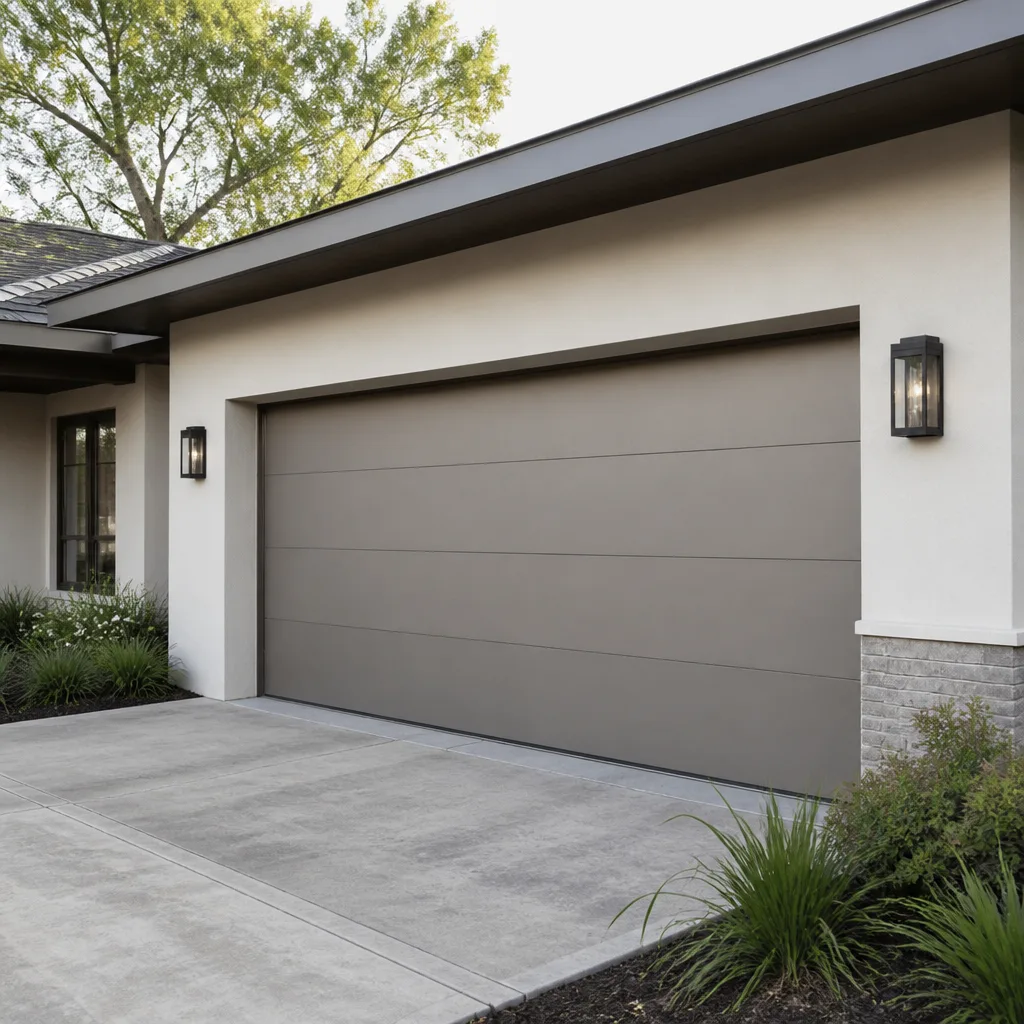
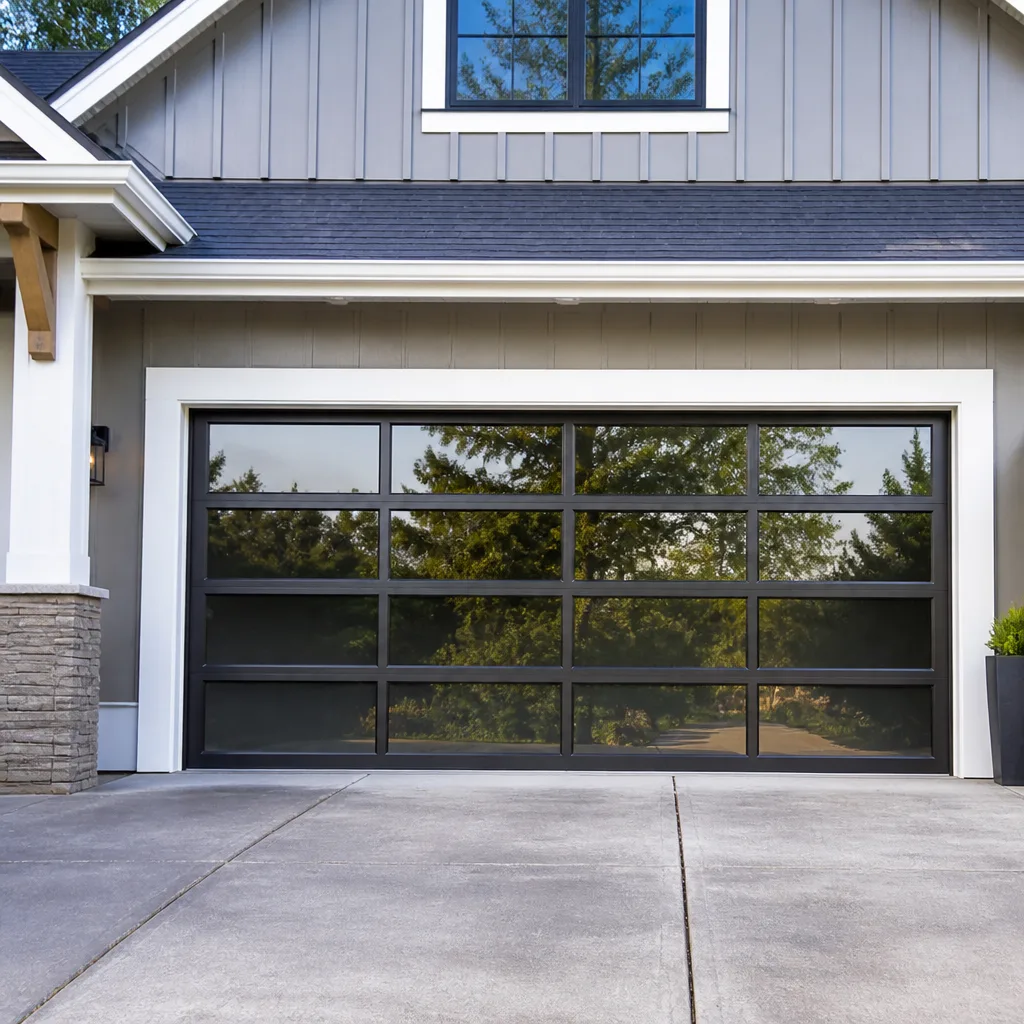
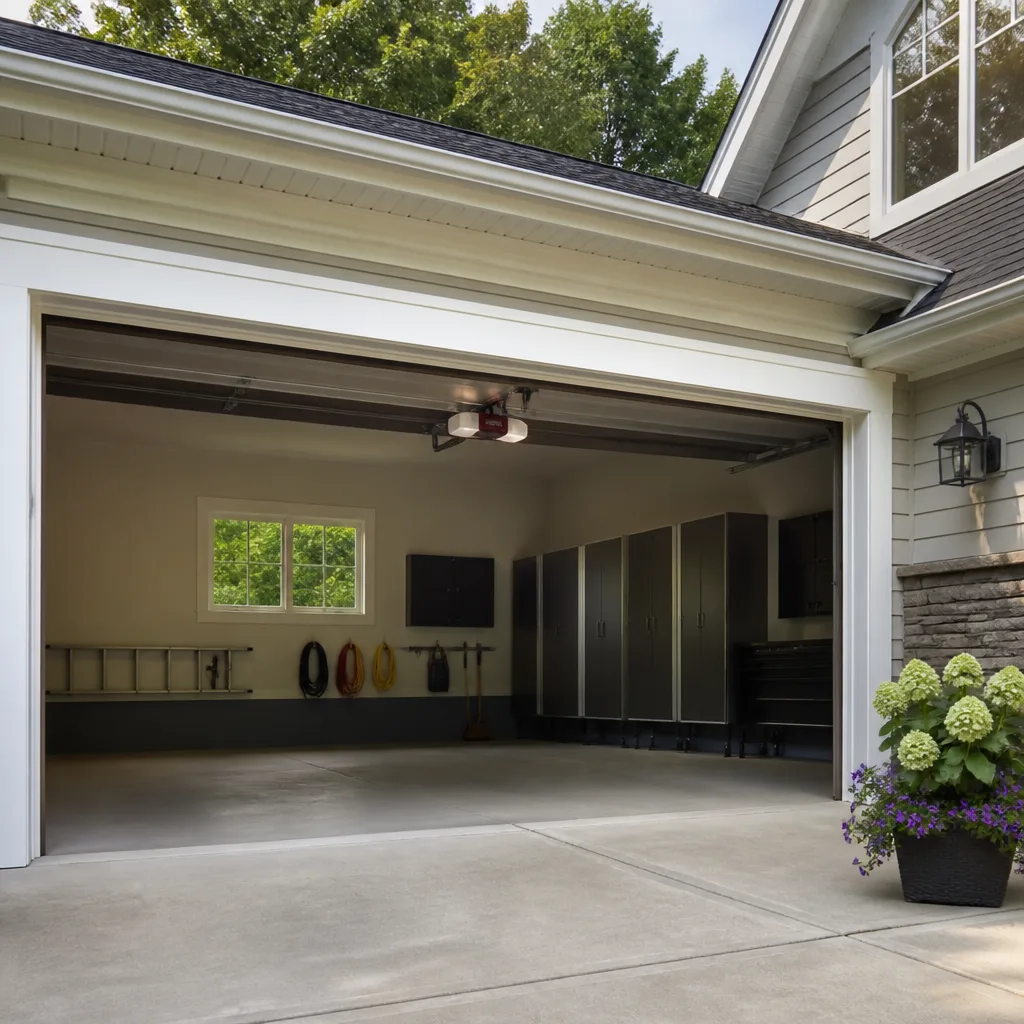
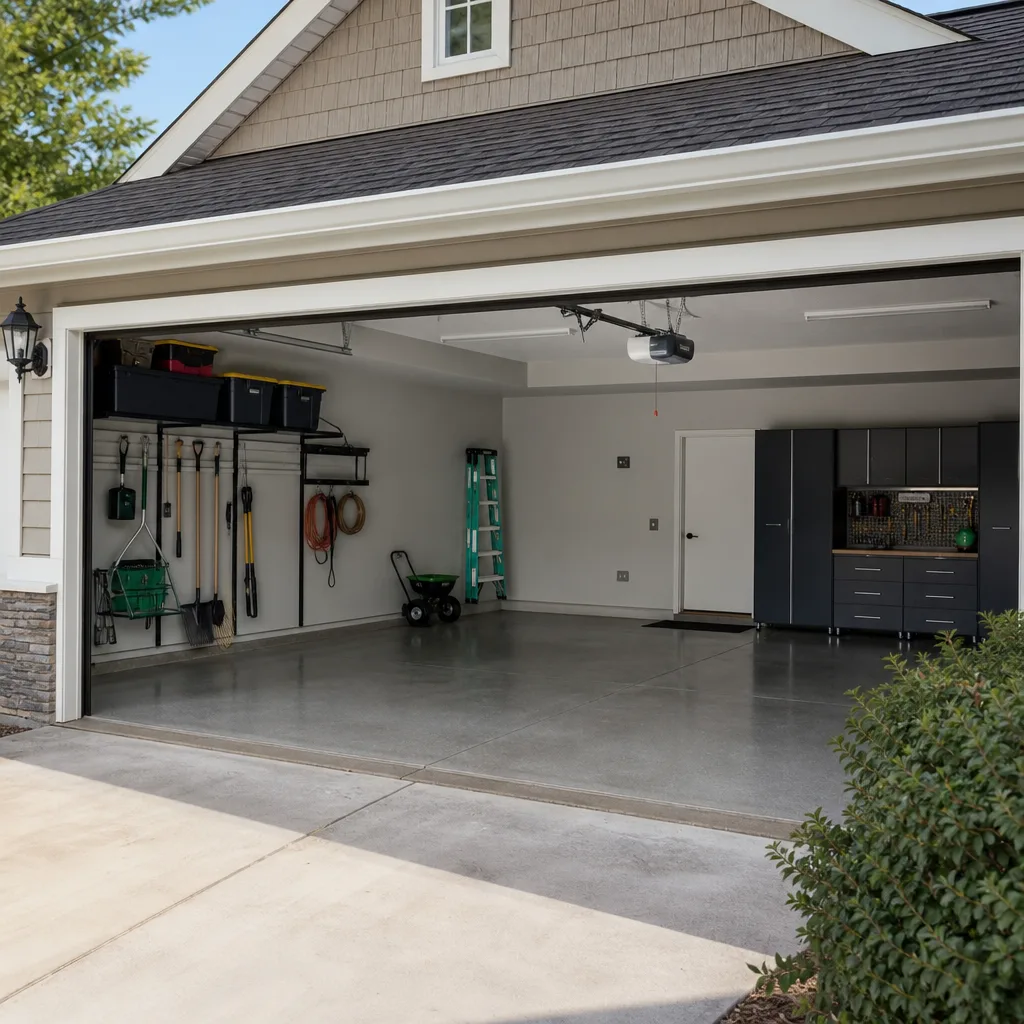
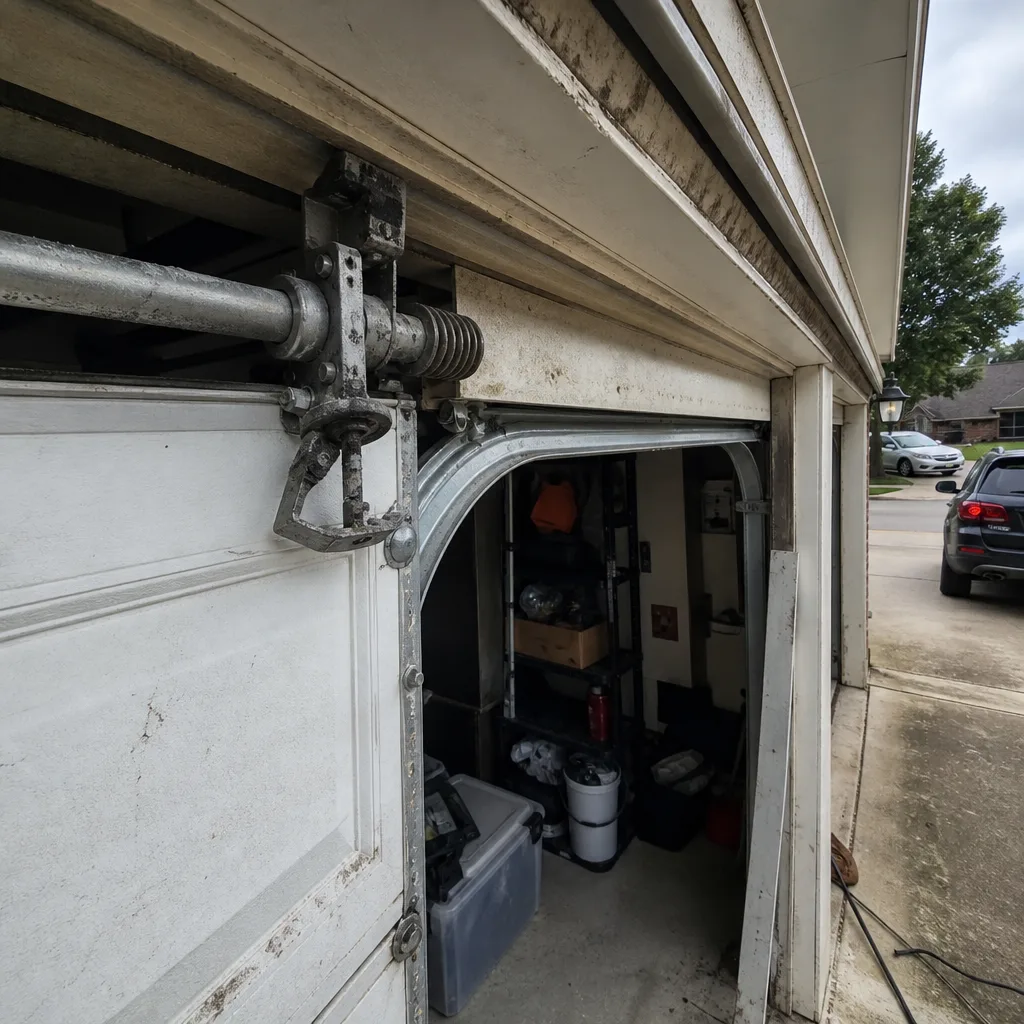 Before
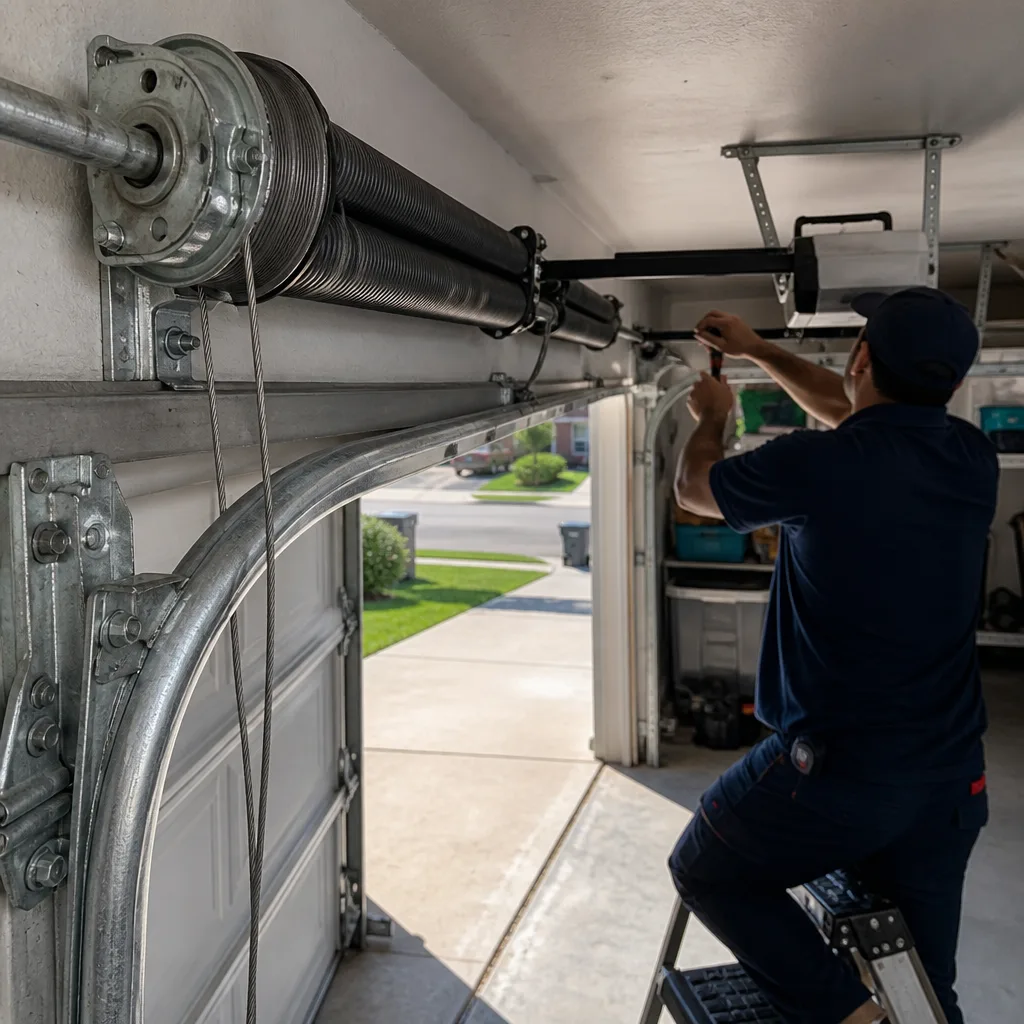 After
After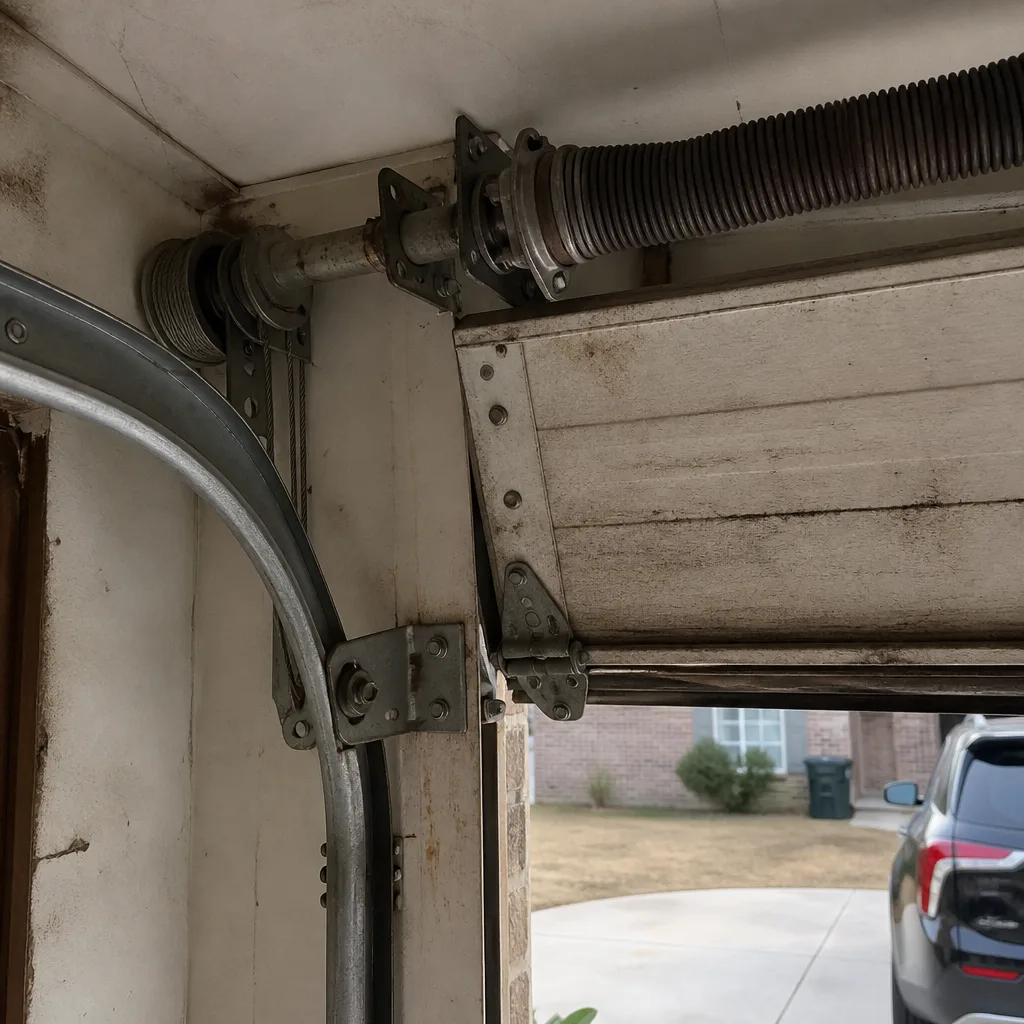 Before
 After
After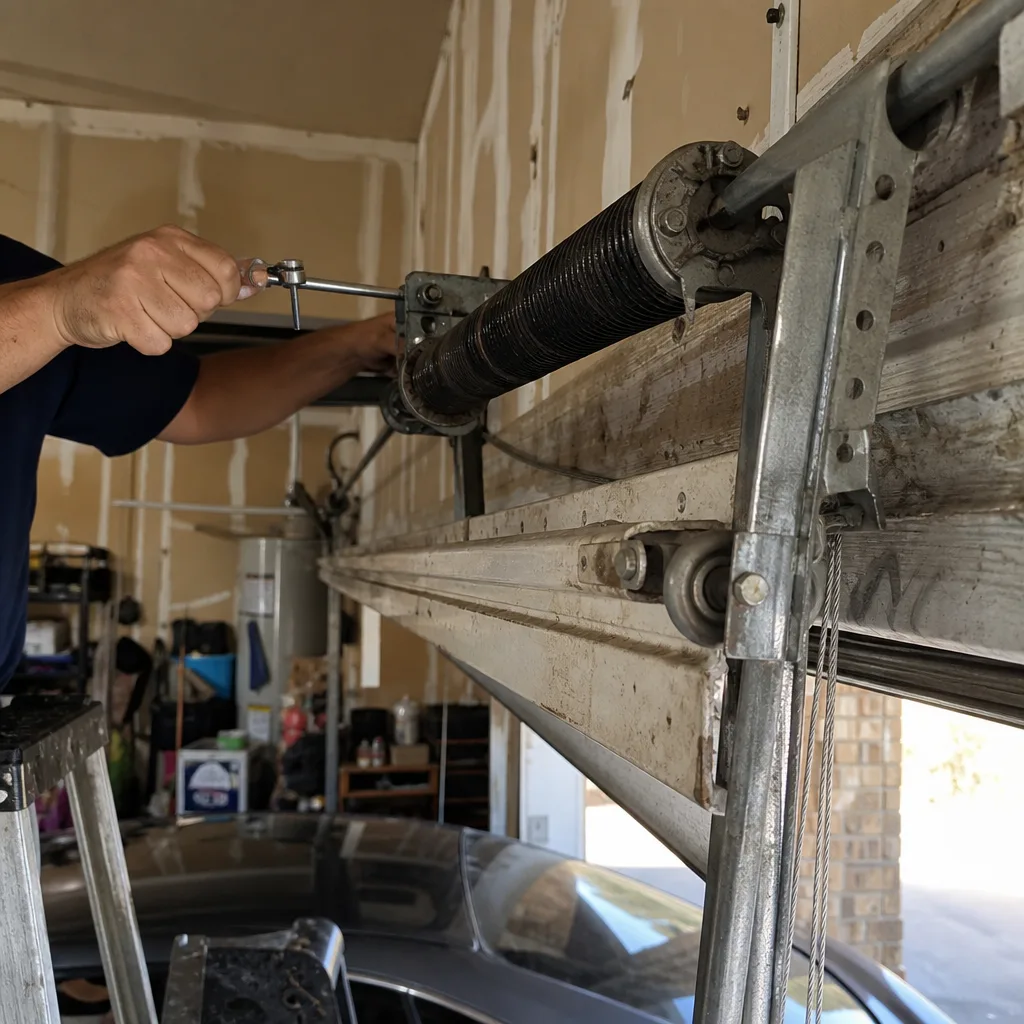 Before
 After
AfterGarage Door Warning Signs: A McKinney Homeowner’s Reference Guide
Most McKinney homeowners don’t discover their garage door has a problem when it fails. They discover it weeks earlier, the moment it starts making a sound they haven’t heard before or moving a half-second slower than it did last month. The door tells you it’s failing long before it actually does. This guide walks you through what those warnings mean, where they come from, and which ones you can safely investigate yourself versus which ones need a technician on-site the same day. For a broader overview of garage door systems in this area, see The Complete Guide to Garage Door in McKinney.
Quick Answer
The most common garage door warning signs in McKinney are grinding or squealing noises during operation, a door that shakes or jerks while moving, a door that reverses before fully closing, visible gaps or wear marks on torsion springs, and an opener that runs but doesn’t move the door. Each symptom traces back to a specific component, and most are repairable for under $300 if caught before the failure cascades into the opener motor or track assembly. If you’re planning a larger project, our How to Hire a Garage Door Contractor in McKinney: A Step-by-Step Guide can help.
Table of Contents
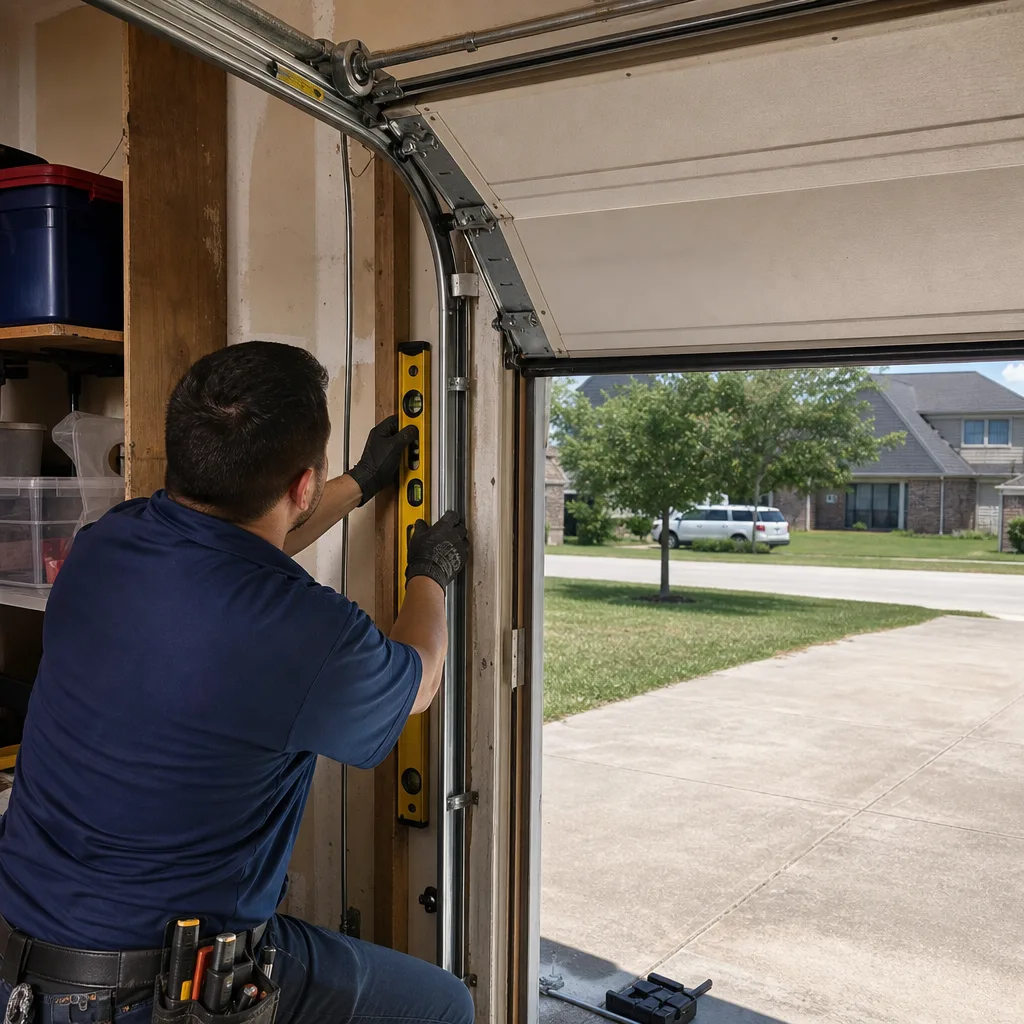
- The Noise Taxonomy: What Each Sound Actually Means
- The Manual Lift Test: Separating Spring Problems from Track Problems
- Reading a Torsion Spring: Visual Signs of Failure Within 30-60 Days
- Opener Behavior Changes: Motor, Logic Board, or Mechanical Bind
- Cable and Drum Warning Signs Most Homeowners Miss
- Documenting Warning Signs Before You Call a Technician
- How McKinney’s Climate Accelerates Specific Failures
- What Ignoring the Warning Costs: Failure Cascades in Real Numbers
BeforeAfterThe Noise Taxonomy: What Each Sound Actually Means
A garage door that opens and closes silently is a garage door where every component is doing its job. The moment a sound appears, something has changed. In our experience working on garage doors across McKinney, the specific character of the sound almost always points to a specific component, and treating “a noisy door” as one problem leads to replacing parts that don’t need replacing.
Here’s what each sound implicates, in order of how frequently we encounter it:
Grinding (metal on metal, no lubrication will fix it)
A grinding sound during operation usually means a roller bearing has failed or a track has developed a rough spot where the roller is scraping instead of rolling. On LiftMaster and Chamberlain openers with belt drives, a grinding sound from the opener head itself typically indicates a stripped gear inside the motor housing. This is not a lubrication problem. Adding grease to a failed bearing quiets it for a day and then it comes back louder, because the bearing itself has worn out of round.
Squealing (high-pitched, consistent with door speed)
Squealing is the one noise where lubrication is often the legitimate first fix. The hinges at each door section, the roller stems, and the bearing plates at each end of the torsion tube all need lubrication periodically. A door that squeals has usually gone two or more years without any. The fix is a proper garage door lubricant applied to pivot points, not WD-40 and not grease on the track itself. Grease on the track attracts grit and accelerates roller wear.
Rattling (loose hardware sound, worse on certain sections)
A rattle means hardware has loosened. The hinge bolts that connect door sections, the track brackets mounting the vertical tracks to the wall, and the roller brackets all come loose over time because the door moves under load thousands of times per year. A rattle that comes from a specific section of the door usually means the hinge bolts at that section have backed out. Tightening them takes ten minutes. Ignoring a rattle means the door section eventually shifts and binds against the track.
Popping or banging (sharp, single event, often at a specific point in travel)
A popping sound at a specific point in the door’s travel is often a cable coming off the drum slightly and reseating, or a roller hitting a flat spot or dent in the track. On a torsion spring system, a sharp bang during operation can also mean a spring is binding internally. This one warrants a close look sooner rather than later, because a cable that pops fully off the drum turns a working door into a door that’s jammed open or closed and unsafe to move.
The Manual Lift Test: Separating Spring Problems from Track Problems
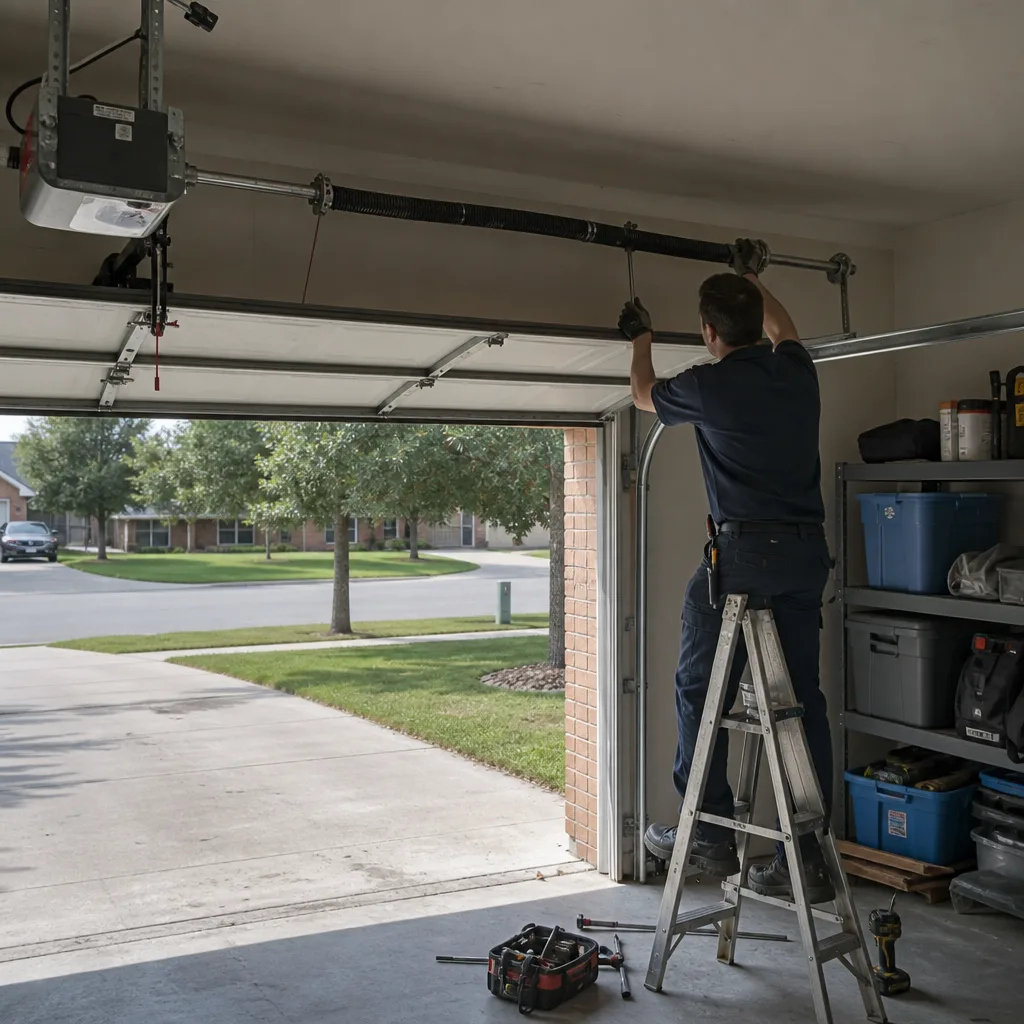
The single most informative diagnostic a McKinney homeowner can do takes thirty seconds and requires no tools. Pull the emergency release cord on the opener, which disconnects the door from the motor carriage. Then lift the door manually to about waist height and let go.
Here’s how to read the result:
- The door stays put at waist height. The springs are doing their job. The system is balanced. Whatever problem you’re experiencing is not a spring problem.
- The door drifts down slowly. The springs are losing tension. On a torsion system, this means the spring is either nearing the end of its cycle life or has lost tension at the set screws. On an extension spring system, one of the two springs has likely failed or stretched beyond spec.
- The door drops quickly. A spring has failed or come completely off. Do not attempt to lift the door manually beyond this point, and do not operate the opener. This is a same-day repair situation.
- The door rises on its own. This happens when springs are over-tensioned, usually after an amateur adjustment. It’s less common but just as dangerous, because the door can crash upward into the opener rail.
What this test separates is critical. A door that binds on the way up could be a spring problem or a track problem. A door that stays balanced but binds has a track or roller issue. A door that doesn’t stay balanced has a spring issue, and no amount of track adjustment will fix it.
One note for anyone reading this in a McKinney home with a Raynor or Craftsman door from the mid-2000s: those systems often used extension springs rather than torsion springs. The manual lift test reads differently on extension spring systems because both springs are under tension independently. If one extension spring fails, the door drops on one side and the lift test will show it immediately in a diagonal sag.
Reading a Torsion Spring: Visual Signs of Failure Within 30-60 Days
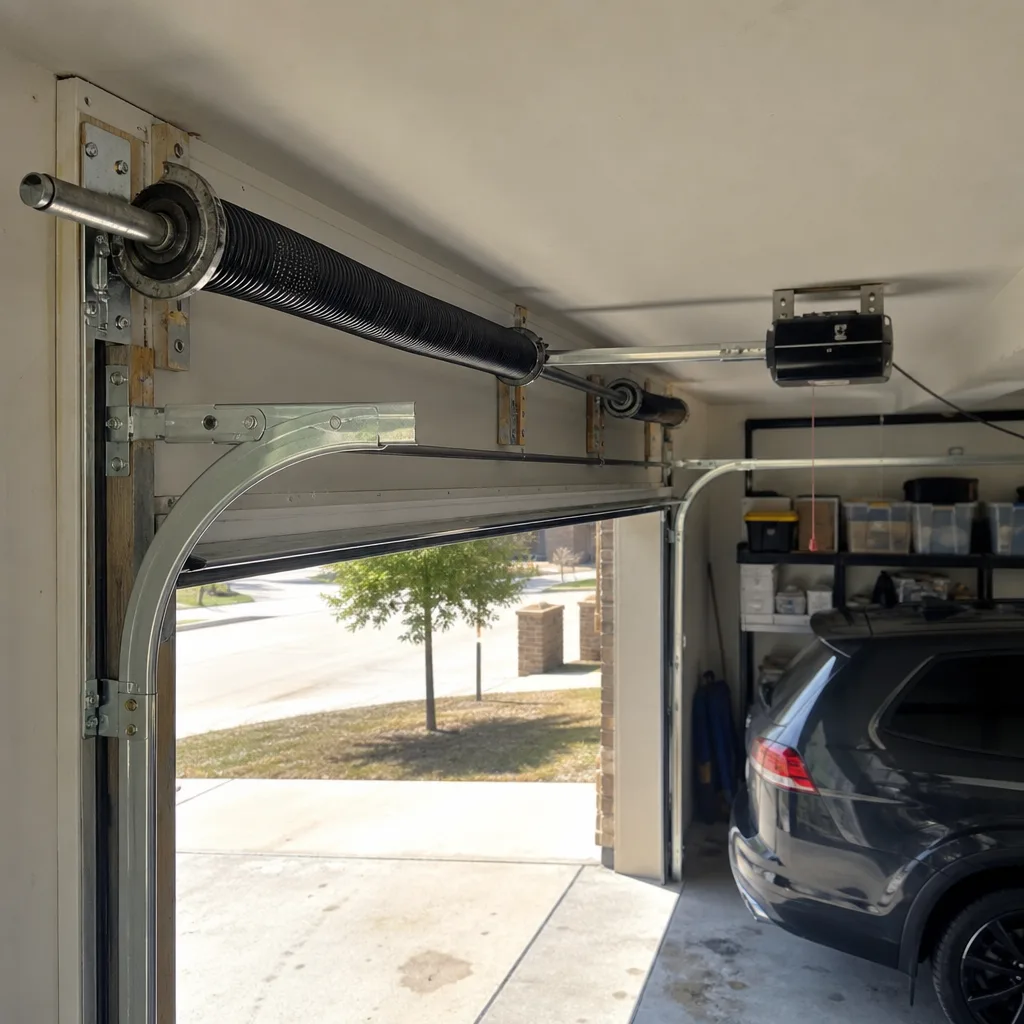
Torsion springs are the component most McKinney homeowners have never looked directly at. They’re mounted on a tube above the closed door, usually two of them for a standard two-car door. Each spring is rated for a specific number of cycles, and “cycle life” is a number measured in the tens of thousands, which sounds like decades but translates to roughly 7-12 years of normal use. Spring failure is not random. It’s scheduled, and the warning signs show up a month or two before the break.
Here’s what to look for, standing safely on the floor with the door closed:
- A visible gap between two coils. A torsion spring under proper tension has coils that sit tight against each other. When a gap opens up between coils, that section of the spring has begun to fatigue. This is the earliest visible sign, and in our experience it precedes failure by 30-60 days on average in McKinney’s climate.
- Rust that has begun to flake, not just surface rust. Surface oxidation is normal on a spring that’s five years old. Flaking rust where the coil diameter has visibly reduced is different. The spring is losing material, and the remaining material is under the same load.
- A spring that looks “stretched” on one side. If the spacing between coils is larger on the right half of the spring than the left, internal fatigue is progressing unevenly. A torsion spring that fails breaks at the point of greatest fatigue, not necessarily at the center.
- Black dust or rubber-like debris on the floor under the spring line. This is wear material from the spring itself or from a failing bearing plate at the end of the tube. If you see it, the system has been running under stress for a while.
Here’s the part that surprises people: a torsion spring can look completely intact and still be at end-of-cycle-life. The failure mechanism is metal fatigue, which is invisible until it isn’t. That’s why we document the cycle rating and age of the spring during a service visit, not just whether it looks okay today. A 10-year-old spring in a McKinney garage that cycles four times a day is at the end of its rated life whether the coils look tight or not.
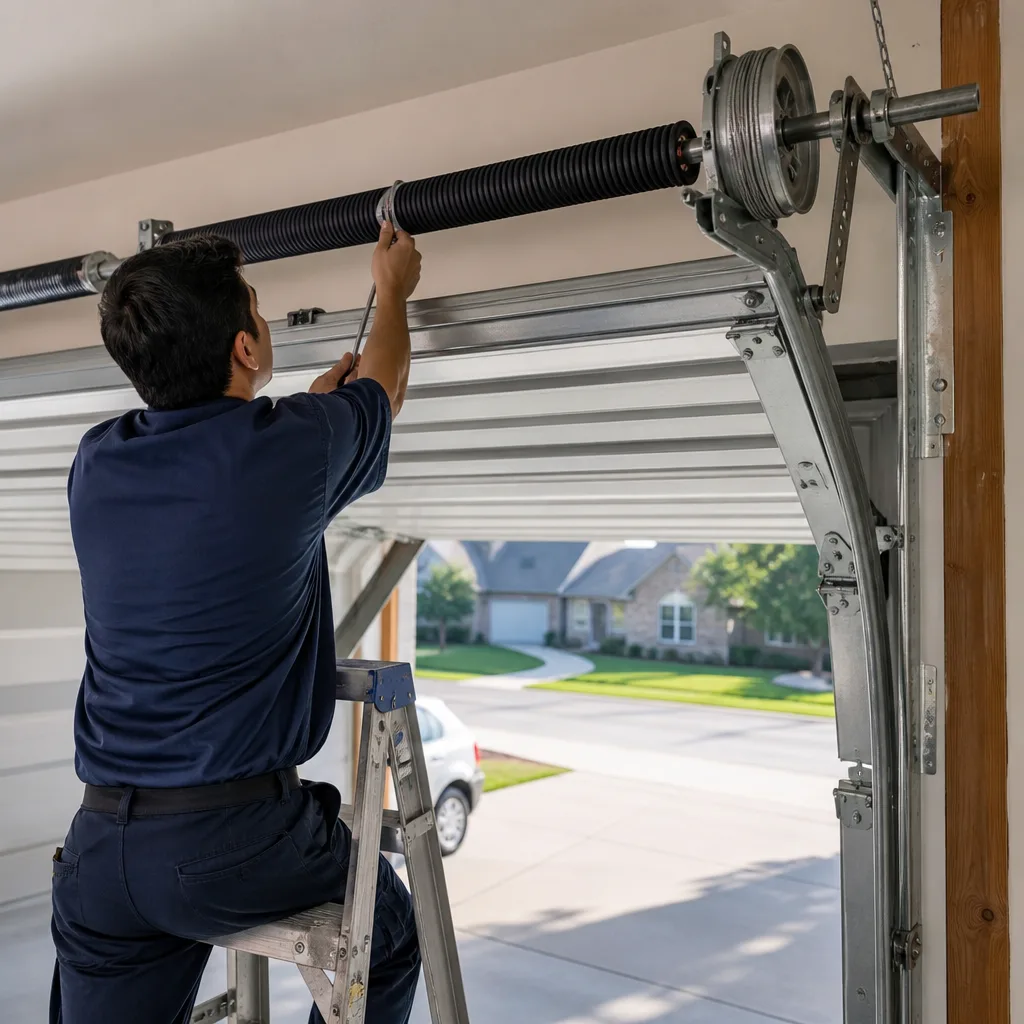
One more thing worth saying clearly: torsion springs are under enough tension to cause serious injury if they release while someone is working on them. The visual inspection above is done from the floor with the door closed. The repair and replacement is not a DIY project. This is one of the few components on a garage door system where even seasoned technicians respect the energy stored in the part.
Opener Behavior Changes: Motor, Logic Board, or Mechanical Bind
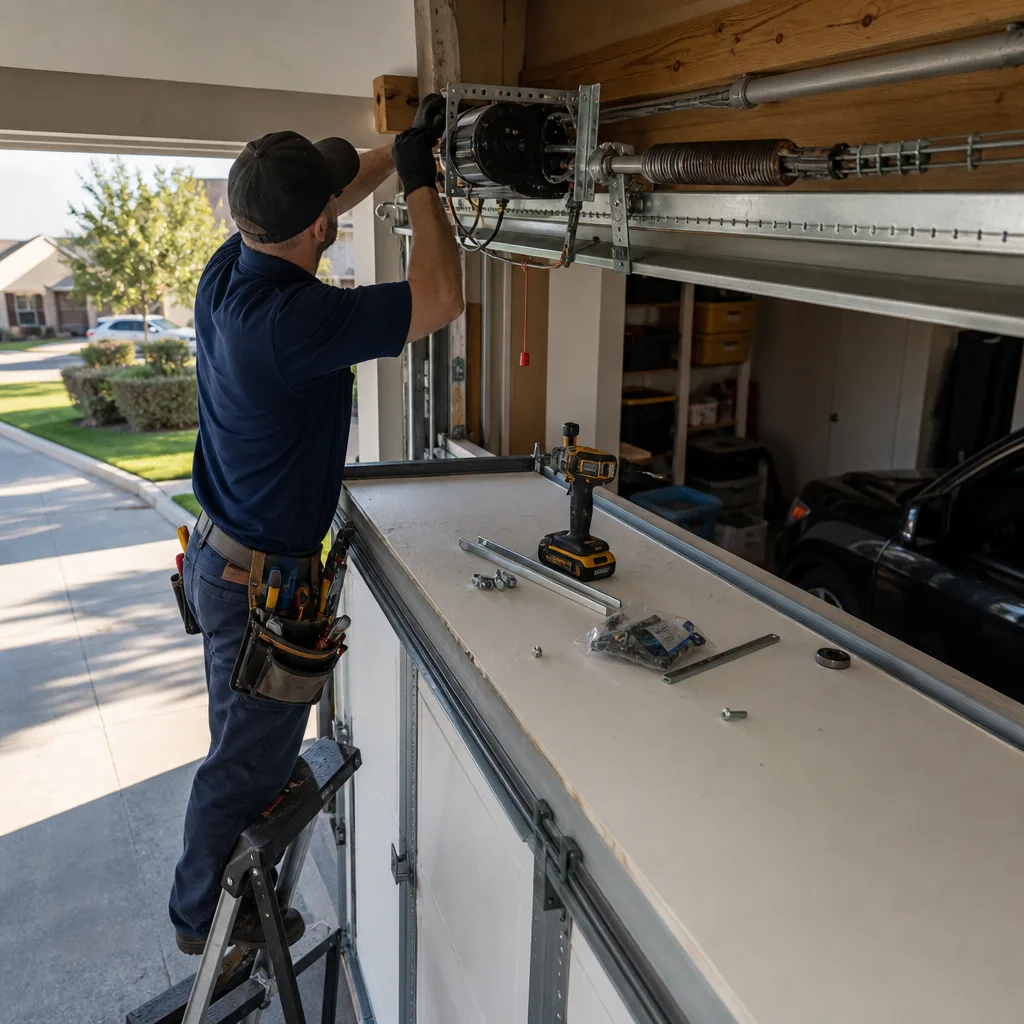
Garage door openers, especially modern LiftMaster and Chamberlain units with DC motors and onboard diagnostics, communicate through their behavior. The trick is that the same symptom can point to three different root causes, and the fix differs by hundreds of dollars depending on which one it is.
Symptom: The door starts to close, then reverses and goes back up
The default assumption is sensor misalignment, and sometimes that’s right. But there are two other causes we see regularly in McKinney homes. First, the safety sensors at the bottom of the door tracks are out of alignment or have a wire that’s going intermittent. Second, and more common in summer, the opener’s thermal overload protection is tripping. McKinney summer garage temperatures routinely exceed 110 degrees, and a motor that’s been running hot will trip the thermal cutoff exactly the same way a sensor beam break does. The distinction matters: cleaning and realigning sensors costs nothing, but if the thermal breaker is the issue and you keep running the opener, you’re degrading the motor windings with every cycle.
Symptom: The opener runs but the door doesn’t move
On belt and chain drives, this typically means the trolley carriage has disconnected from the drive sprocket or the chain/belt has jumped. It can also mean the travel module on the logic board has failed, which is common on openers older than 12 years. On a new opener, it’s usually the emergency release cord having been pulled and not reset.
Symptom: The door moves, but the opener motor sounds labored
This is rarely an opener problem. A motor working harder than it did six months ago is usually working against a door that’s getting harder to move. The door is out of balance and the springs aren’t carrying their share of the load. Replacing the opener without addressing the balance problem means the new opener inherits the same strain and fails early.
Symptom: The door doesn’t respond to the wall button or remote consistently
Intermittent response that gets worse in hot weather points to the logic board rather than the remote. Heat-related logic board failure is a known pattern on openers installed in uninsulated McKinney garages. The board expands and contracts with temperature cycles, and solder joints eventually crack. A symptom that only appears in the afternoon heat and disappears at night is the giveaway.
Cable and Drum Warning Signs Most Homeowners Miss
Lift cables are the most overlooked component in a garage door system, and cable failure is the failure type most likely to result in an injury or property damage in McKinney homes. The cable is under the same tension as the spring. When it fails, it fails fast.
Here’s what a cable that’s failing looks like before it snaps:
- Frayed strands visible anywhere along the cable’s run. Garage door lift cables are stranded, not solid. Individual strands will start to break and stick out from the main cable body long before the cable fails completely. Look at the cables where they wrap around the drum and where they enter the bottom bracket.
- A cable that doesn’t sit tight in the drum groove. When the cable has stretched or the drum has worn, the cable rides up over the adjacent groove. Where the cable crosses itself on the drum, wear accelerates quickly.
- Uneven cable tension from side to side. With the door closed, both cables should have the same amount of tension. If one side hangs slightly looser, the door is uneven, which means the springs or drums are not sharing the load equally.
- Rust on the cable. Galvanized cables resist rust for years, but a cable that’s been in a humid McKinney garage with poor ventilation will eventually show oxidation. Rust on a cable is a structural problem, not a cosmetic one.
The reason we flag cables specifically is the failure mode. A torsion spring snapping is loud but usually contained. A cable snapping releases the door abruptly on one side, and a 150-200 pound door section dropping unexpectedly can cause significant injury. If you see any of the signs above, treat it as a same-day priority.
If you’re uncertain what you’re looking at, our team offers Garage Door Repair in McKinney with a documented photo record on every visit. The technician photographs what they find, and you see the failed component before any replacement is quoted. That documentation practice is written into how we operate, not offered as an add-on.
Documenting Warning Signs Before You Call a Technician
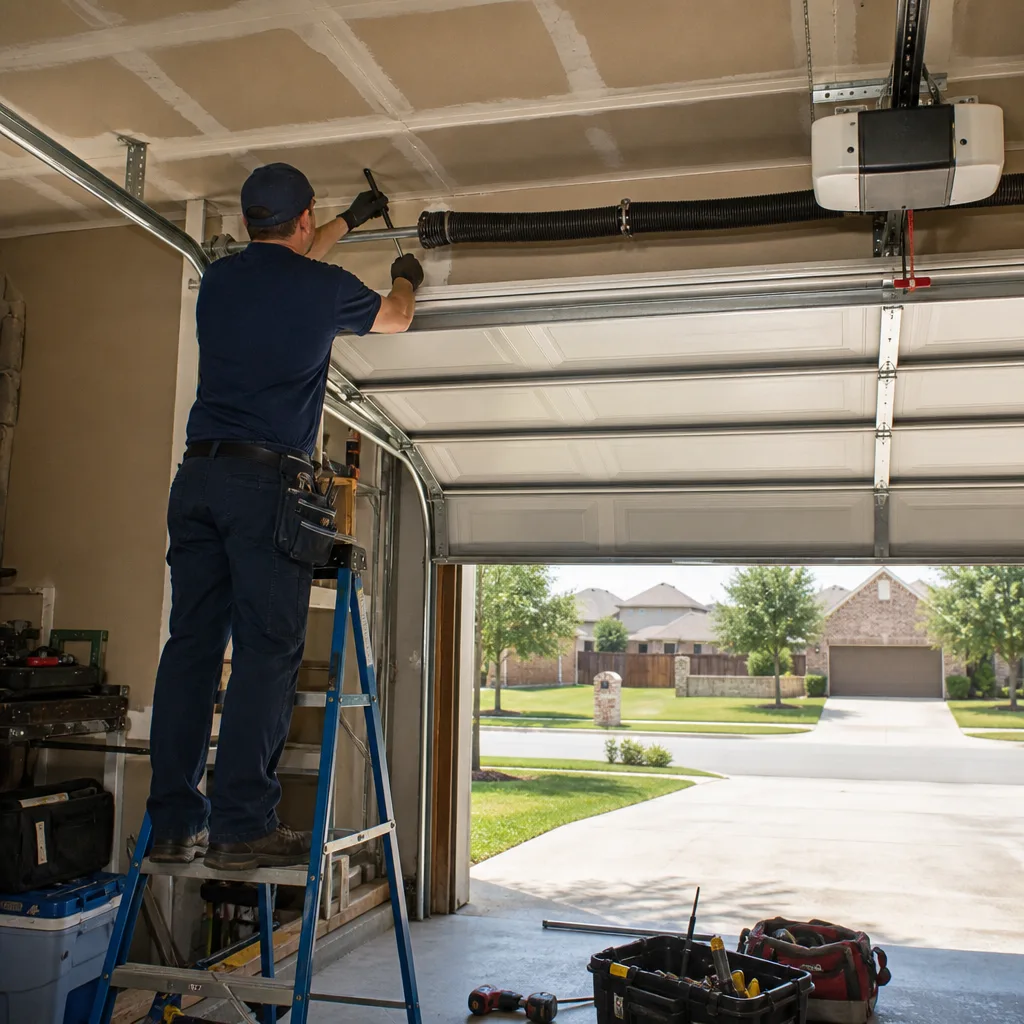
The most useful thing a McKinney homeowner can do before picking up the phone is create a record of what they’re observing. Not because the technician won’t find the problem themselves, but because a dated photo and a note about when the symptom appeared turns a diagnostic visit into a verifiable one. You can compare what you saw on Tuesday against what the technician found on Thursday.
Here’s the documentation sequence we recommend:
- Date and describe the symptom. Write down the specific sound (grinding, squealing, popping), the specific behavior (reverses before closing, jerks at mid-travel, slower than usual), and when you first noticed it. “Noticed squeal on opening, started about two weeks ago, happens every cycle now” is a complete diagnostic note.
- Take a photo or short video. A video of the door operating is more useful than you think. Technicians can often identify a roller or hinge problem from the sound in a phone video. For visible signs like cable fraying or spring gaps, take a clear photo with the door closed.
- Note the conditions. McKinney-specific detail matters. Was the symptom present before the last cold snap, or did it appear during a week of 100-degree days? Heat-related symptoms are different from age-related symptoms, and the distinction changes the repair recommendation.
- Note the opener behavior separately from the door behavior. “The door is slow” and “the opener motor sounds labored” are different observations that point to different components. Record both.
- Bring the record to the service visit. When the technician arrives, you can walk them through what you observed. Then compare it against their inspection findings. This is what the documented visit is for.
Documentation cuts both ways. It keeps the homeowner informed, and it keeps the repair scope honest. The technician knows you’ve been paying attention, and you know the work order matches what you observed. Servo Garage Doors McKinney includes a documented photo record on every visit, so the evidence ends up in your hands regardless. But your own pre-visit notes are the baseline that everything else gets measured against.
How McKinney’s Climate Accelerates Specific Failures
Garage door components fail differently in North Texas than they do in other climates. McKinney’s extremes put specific stress on specific parts, and understanding that pattern helps you understand which warning signs are more likely in your garage.
Summer heat and opener electronics. A McKinney garage in August can stay above 100 degrees for hours after sunset. Uninsulated garages are worse. Heat shortens the life of opener logic boards and motor windings, and we see disproportionately more opener failures in McKinney between June and September than any other season. If your opener has started acting erratically during the summer but behaved all winter, heat damage is the most likely explanation.
Humidity and torsion spring corrosion. North Texas humidity combined with the temperature cycling inside a garage creates condensation on metal surfaces. Torsion springs rust from the outside in, and a rusted spring loses material and fails earlier than its rated cycle life would predict. We regularly see springs in McKinney fail at 80% of their rated life because of local humidity exposure, especially in garages with poor airflow.
Cold snaps and metal contraction. When a McKinney winter drops the temperature into the 20s, metal parts contract. A track that was slightly misaligned will bind harder. A hinge with a marginal roller will stick. Cold weather doesn’t cause these failures; it reveals them. If your door starts sticking or reversing specifically during cold weather and then smooths out when it warms up, the underlying issue is still there, just held open by thermal expansion.
The North Texas clay factor. This one surprises people. Collin County sits on expansive clay soil, and McKinney homes are built on slabs that shift with moisture changes. A garage door that was perfectly aligned when the house was new can develop binding five years later as the slab settles unevenly and the door frame shifts. Track misalignment from foundation movement is a real pattern in McKinney, and it’s one of the reasons a door that worked fine for years can develop persistent binding even when all the components are in good condition. A properly installed garage door system accounts for this with track adjustments, and if you’re having a new door installed, this is part of what a competent Garage Door Installation in McKinney considers before the first bracket goes up.
What Ignoring the Warning Costs: Failure Cascades in Real Numbers
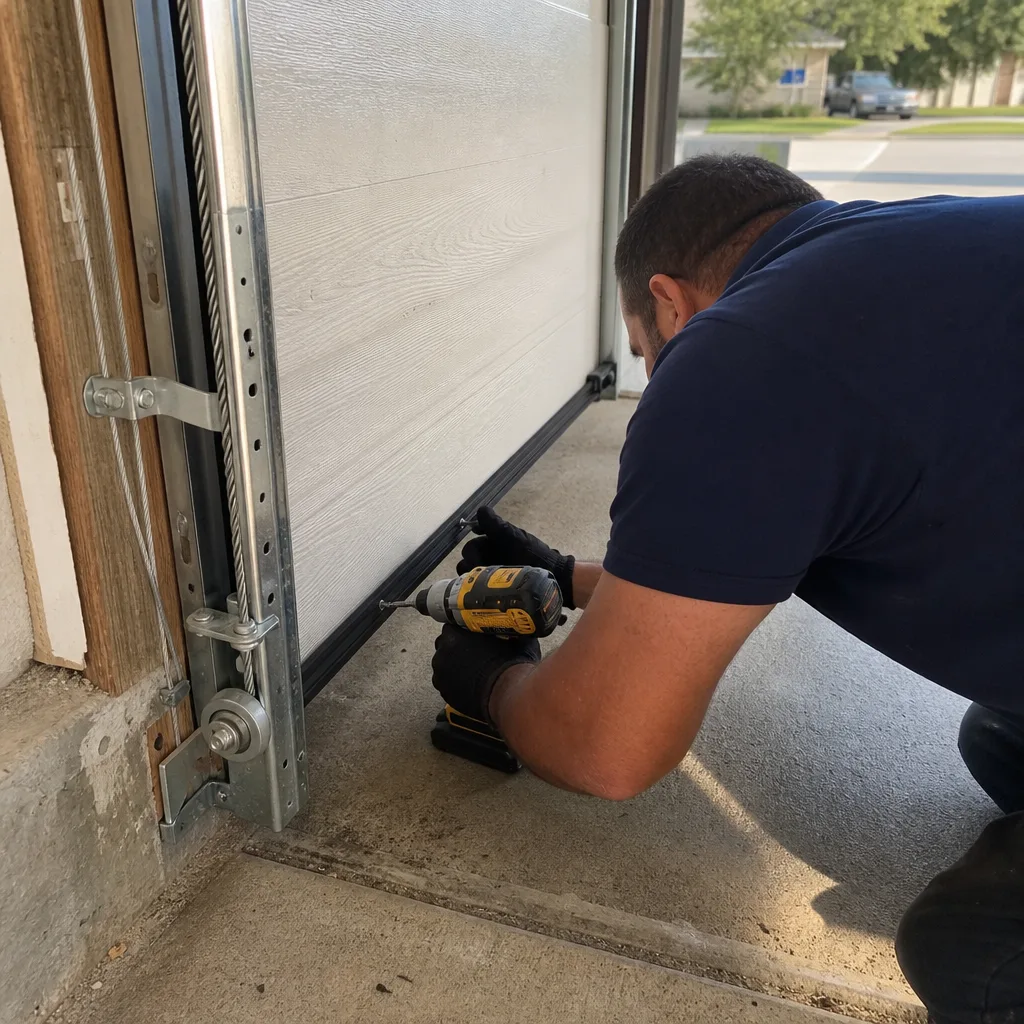
Garage door components fail in cascades. One part wears out, transfers extra load to the next part in the chain, and the repair bill multiplies. Here’s what the cascade looks like in McKinney pricing terms, based on what we see across thousands of service calls:
The cable-to-panel cascade (most expensive)
A frayed cable that gets ignored leads to a snapped cable. The snapped cable drops one side of the door, torquing the section. The torque bends the panel and rips the bottom bracket. The repair goes from a $180-$240 cable and drum replacement to a $500-$900 panel, bracket, and cable repair, plus a door that’s potentially out of square and needs track realignment to work properly again.
The spring-to-opener cascade (most common)
A tired spring stops carrying its share of the door weight. The opener motor picks up the slack. It runs hotter, works harder, and fails earlier than its designed life. The homeowner replaces the opener and sees it fail again in three years, because the spring was never addressed. A torsion spring replacement in McKinney typically runs $180-$340 depending on the door weight and spring size. An opener replacement runs $250-$600. Fixing both at the same time is cheaper than fixing the opener twice and then the spring anyway.
The roller-to-track cascade (slowest burn)
A failed roller keeps rolling flat, scrapes the track, and eventually cuts a groove into the track itself. A grooved track will chew through new rollers quickly, so the fix requires track replacement, not just roller replacement. Individual rollers are $15-$30 each. A track section runs $80-$160. Replacing the rollers the first time saves the track.
These numbers are ranges because the actual price depends on the specific door, opener, and component condition. What doesn’t vary is the principle: early intervention is less expensive than cascade repair, every time. We quote every repair with a flat, written price and written scope before any work starts, per Clause 1 of The Haven Standard. So if you’re not sure whether a warning sign needs attention, the estimate call doesn’t commit you to anything. It just tells you where you stand.
Common Mistakes to Avoid
- Lubricating a noise without identifying the source. A noisy door that gets quieter after lubrication is a quieter door with the same underlying problem. If the noise is a failing bearing, lubrication bought you days, not months. Identify the component before you reach for the grease.
- Adjusting the opener force settings to compensate for a heavy door. When the door gets harder to move, some homeowners turn up the opener’s force settings to push through it. This works until the door binds completely or a cable snaps under the added strain. The force settings should match a balanced door, not compensate for an unbalanced one.
- Replacing the opener when the problem is the door. We see this at least weekly in McKinney. The opener labors, the homeowner assumes the opener is failing, and a new opener gets installed on a door that’s out of balance. The new opener inherits the same problem. The manual lift test eliminates this mistake in thirty seconds.
- Attempting torsion spring work without the proper tools and training. There is no safe improvisation for this component. The winding bars, the method, and the experience all matter. This is a category of work where a mistake can be permanent.
- Ignoring changes in operating speed or smoothness because the door “still works.” The door will keep working right up until it doesn’t. Gradual changes in speed, smoothness, or balance are the warning signs this guide exists to document. “Still works” and “working correctly” are not the same thing.
- Waiting until a McKinney holiday weekend to call about a door that’s been acting up for a month. Door problems compound, and emergency calls on holiday weekends are both more expensive and harder to schedule. If the door has been warning you, address it before you need it to work perfectly on a schedule.
When to Call a Professional
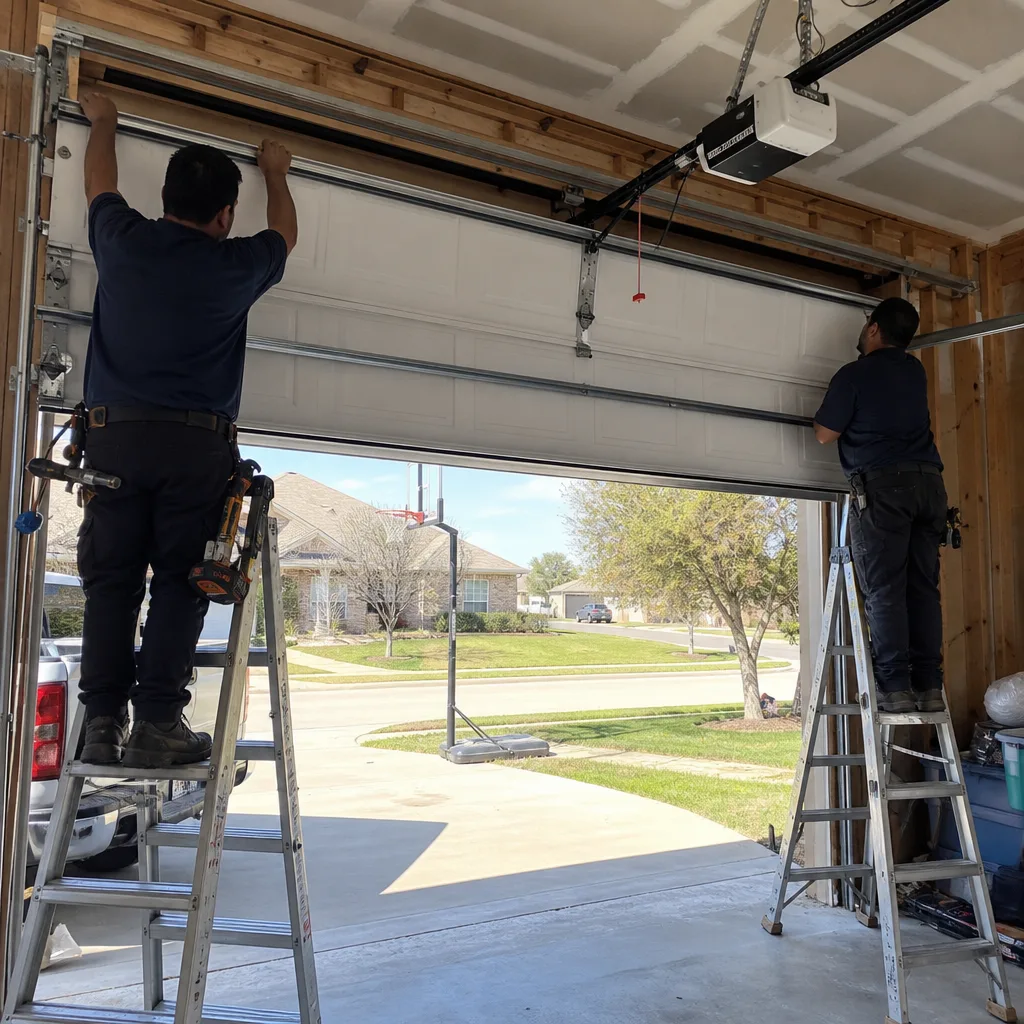
Call a professional the same day if you see frayed lift cables, a snapped torsion spring, a door that drops when you release it manually, or a cable that has come off the drum. These conditions can cause injury, and they won’t resolve themselves. Call a professional within the week if you notice a torsion spring gap, persistent grinding, a door that’s visibly slower than it was a month ago, or opener behavior that changes with temperature. These are progressive conditions with a known failure path. Servo Garage Doors McKinney offers free estimates in McKinney; call (469) 815-7610, and a real person answers, 24/7, including emergency calls with a named technician and an on-the-way text.
Frequently Asked Questions
Torsion spring replacement in McKinney typically runs $180-$340 including parts, labor, and a full-cycle test, depending on the door weight and spring size. Servo Garage Doors McKinney quotes a flat, written price before any work starts, per Clause 1 of The Haven Standard, so the number you agree to is the number you pay. Call (469) 815-7610 for an exact quote; estimates are free.
Yes, for repair and emergency calls. Servo Garage Doors McKinney offers 24/7 live phone coverage and same-day repair scheduling in McKinney and surrounding Collin County. Emergency calls get a named technician and an on-the-way text, not a callback window. Call (469) 815-7610 and a real person answers.
No. The flat, written price and written scope are delivered before any work starts, and the price doesn’t change unless you approve additional work in writing first. This is how we’ve operated since 2015, and it’s written into The Haven Standard, not left to a handshake. If you’re comparing quotes, we also offer a Free Second Opinion on any written estimate you bring from another company.
Most routine repair parts are on the truck: torsion springs, rollers, hinges, cables, drums, sensors, circuit boards for common LiftMaster and Chamberlain openers, and more. The technician diagnoses on-site, photographs the failed component, and completes most repairs in a single visit. For the uncommon part that isn’t stocked, the written quote covers ordering and return-visit installation at no additional trip fee.
We service all major brands, including LiftMaster, Chamberlain, Genie, Clopay, Amarr, Wayne Dalton, Craftsman, and Raynor. Parts availability varies by brand and model age, and we’ll tell you honestly if a repair doesn’t make financial sense relative to replacement. Our Garage Door Opener Repair & Installation in McKinney page covers opener-specific issues in depth.
With proper maintenance, a steel garage door section should last 20-30 years in McKinney’s climate, the opener 10-15 years, and torsion springs 7-12 years depending on cycle frequency. The weak points in North Texas are the springs and opener electronics, which is why annual inspection of those two components specifically pays for itself over time. Our Servo Garage Doors McKinney home page links to the full maintenance and repair scope if you want to see what an inspection covers.
The Bottom Line
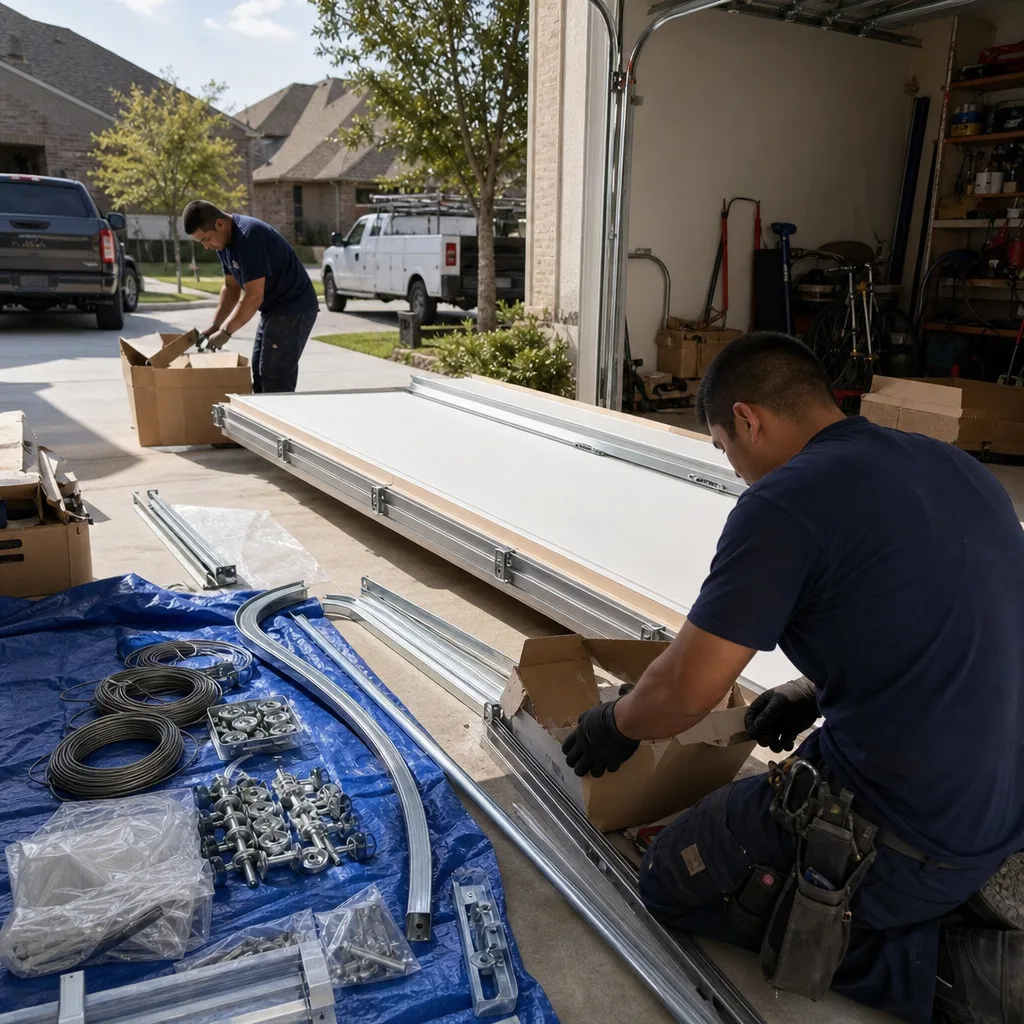
A garage door’s warnings are consistent once you learn to read them. Grinding is a bearing or gear. Squealing is dry hardware. A door that won’t stay put is a spring problem. A door that reverses in the summer heat may be a thermal cutoff, not a sensor. The sequence matters, and so does catching the early link in the failure chain before it cascades into a bigger repair. If you’re seeing signs, document them first, then make one phone call. For more guides & resources, visit our blog. The estimate is free, the price is written before work starts, and the evidence comes back to you in photos. That’s how it should work.
Written by Marcus Deller, Owner at Servo Garage Doors McKinney, serving McKinney since 2015.