
Last updated September 20, 2026
Full 25-point door and opener safety check with every visit - springs, cables, rollers, tracks, and your LiftMaster or Chamberlain opener included
You get a price before we start. It does not change when the truck arrives.
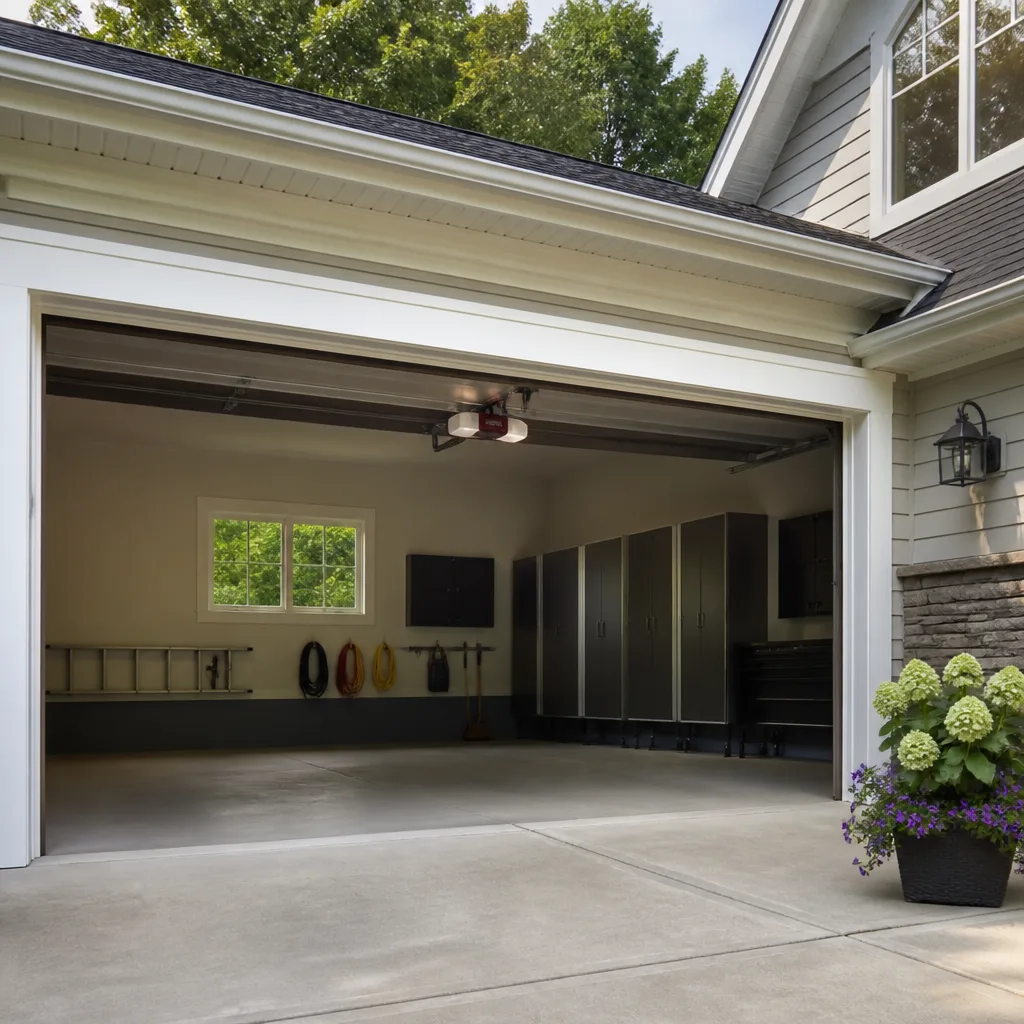
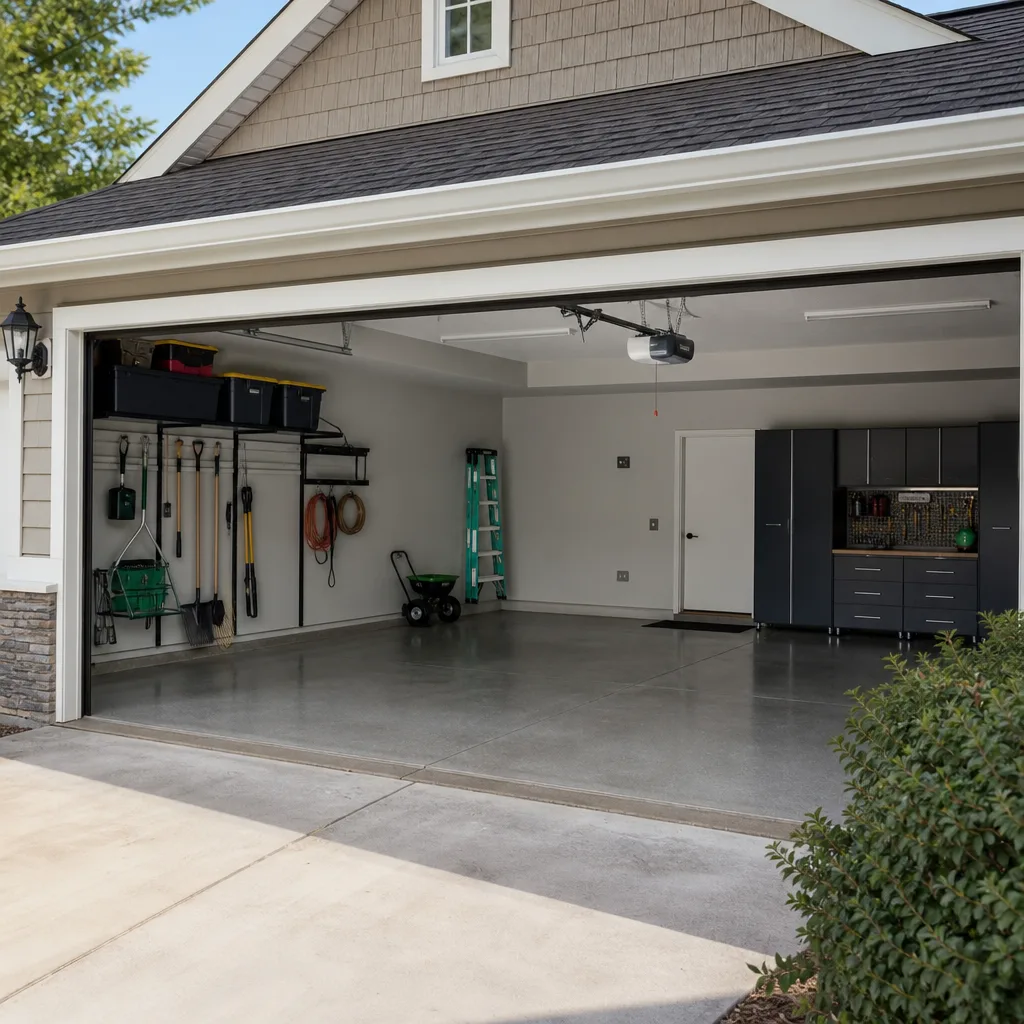
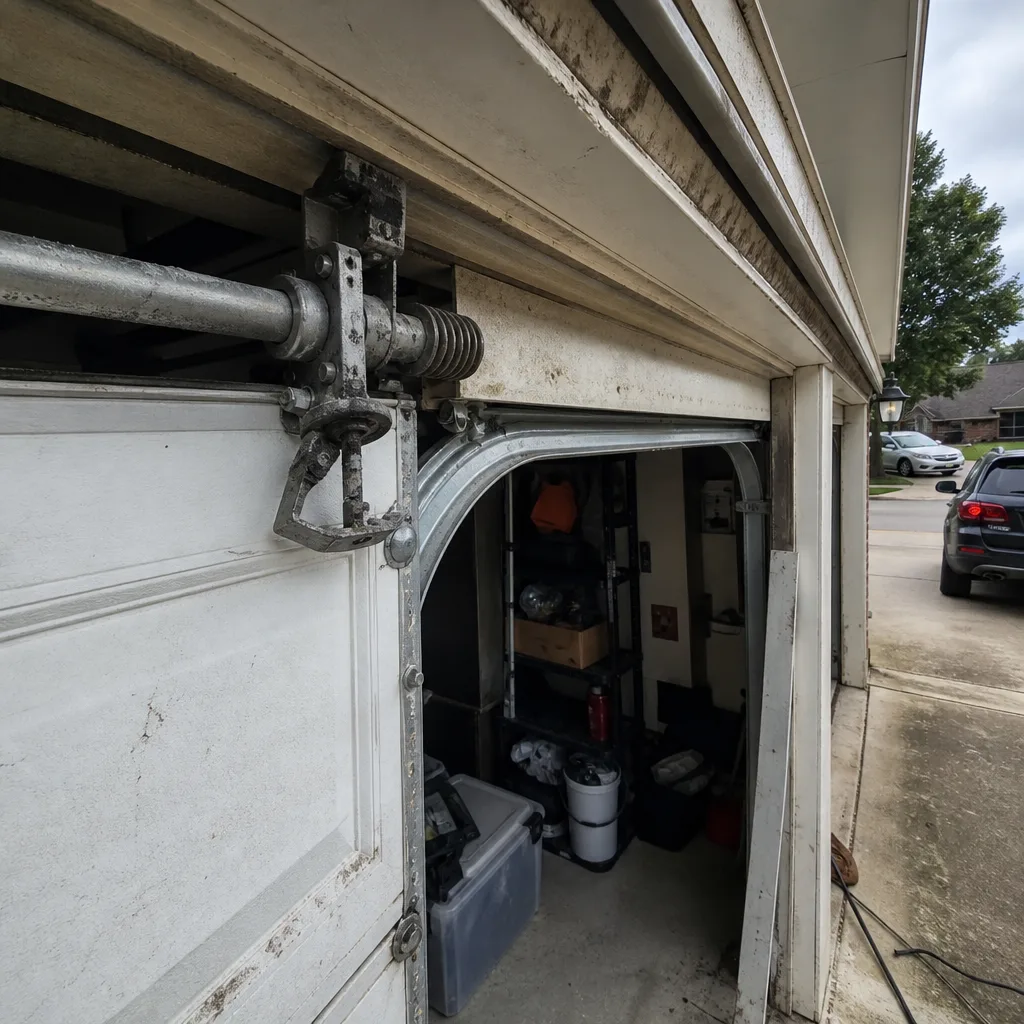 Before
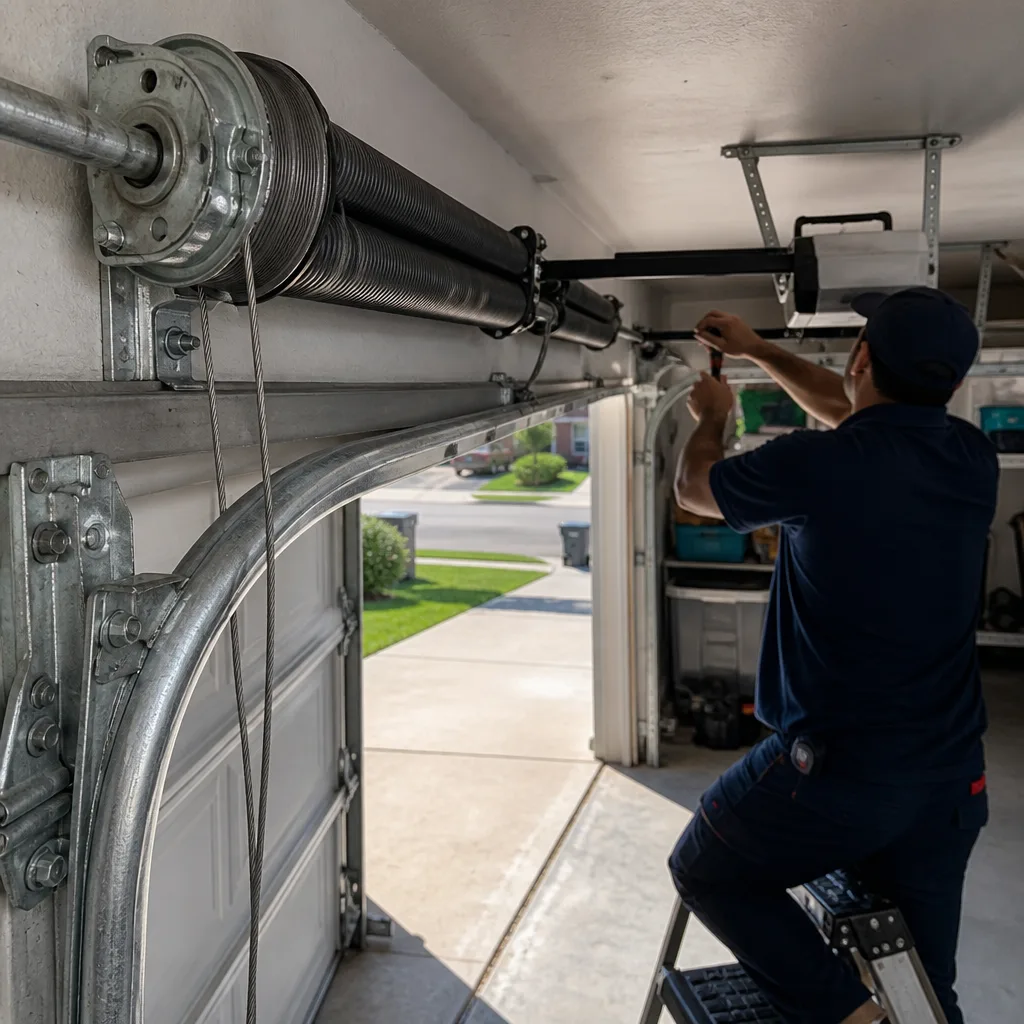 After
After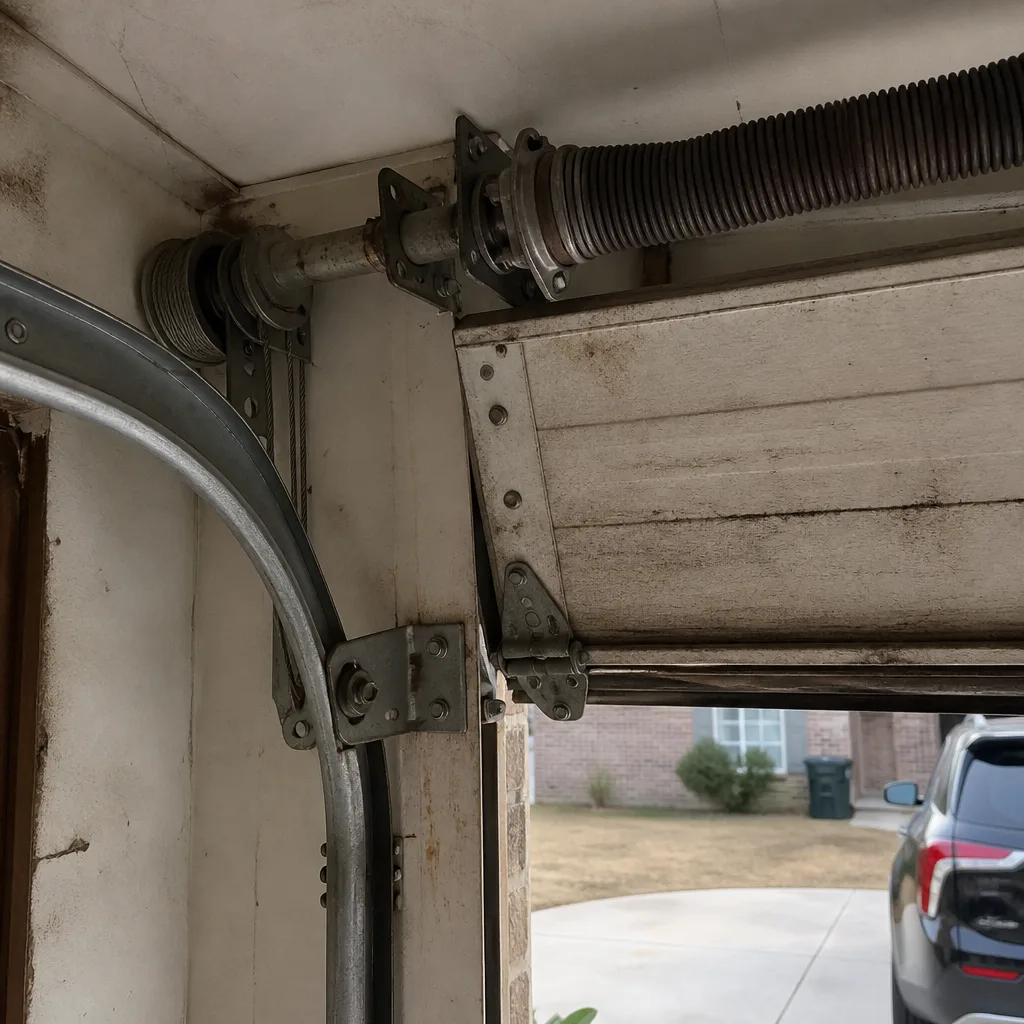 Before
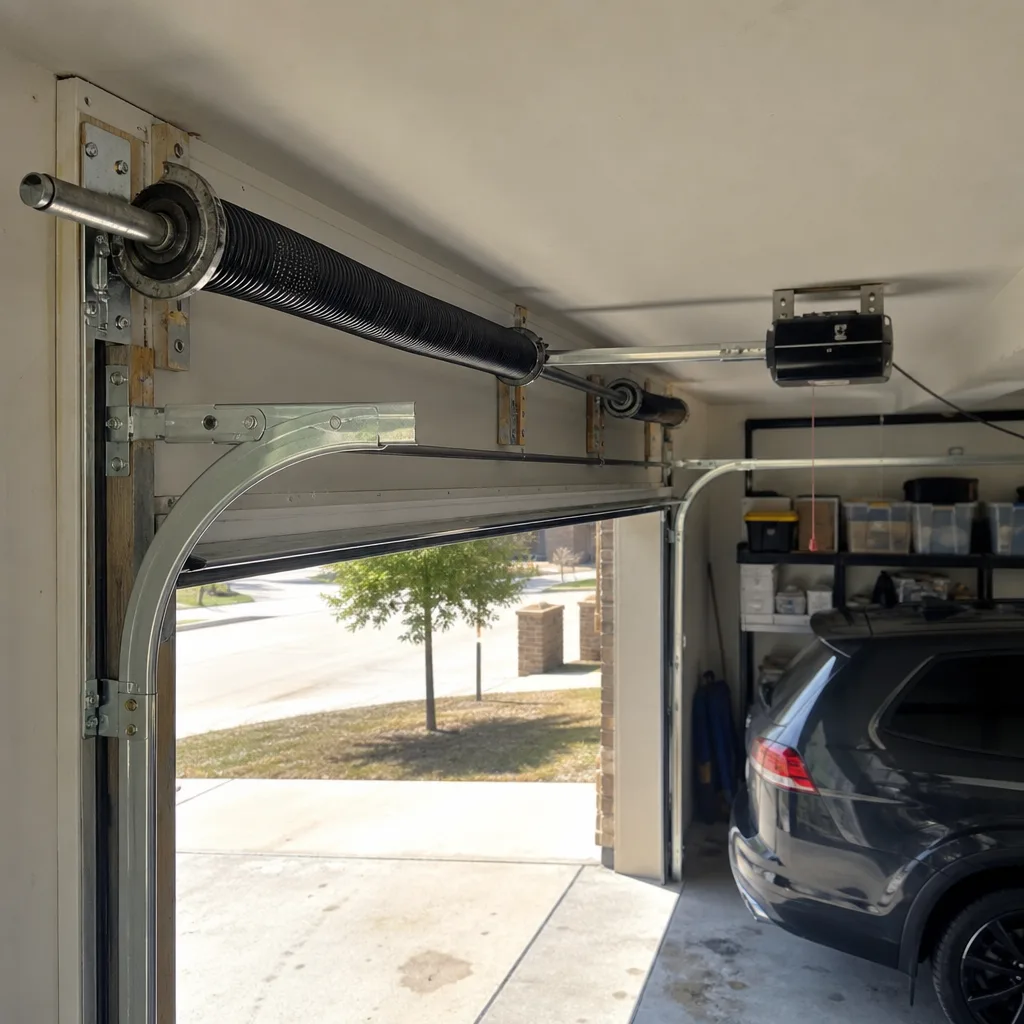 After
After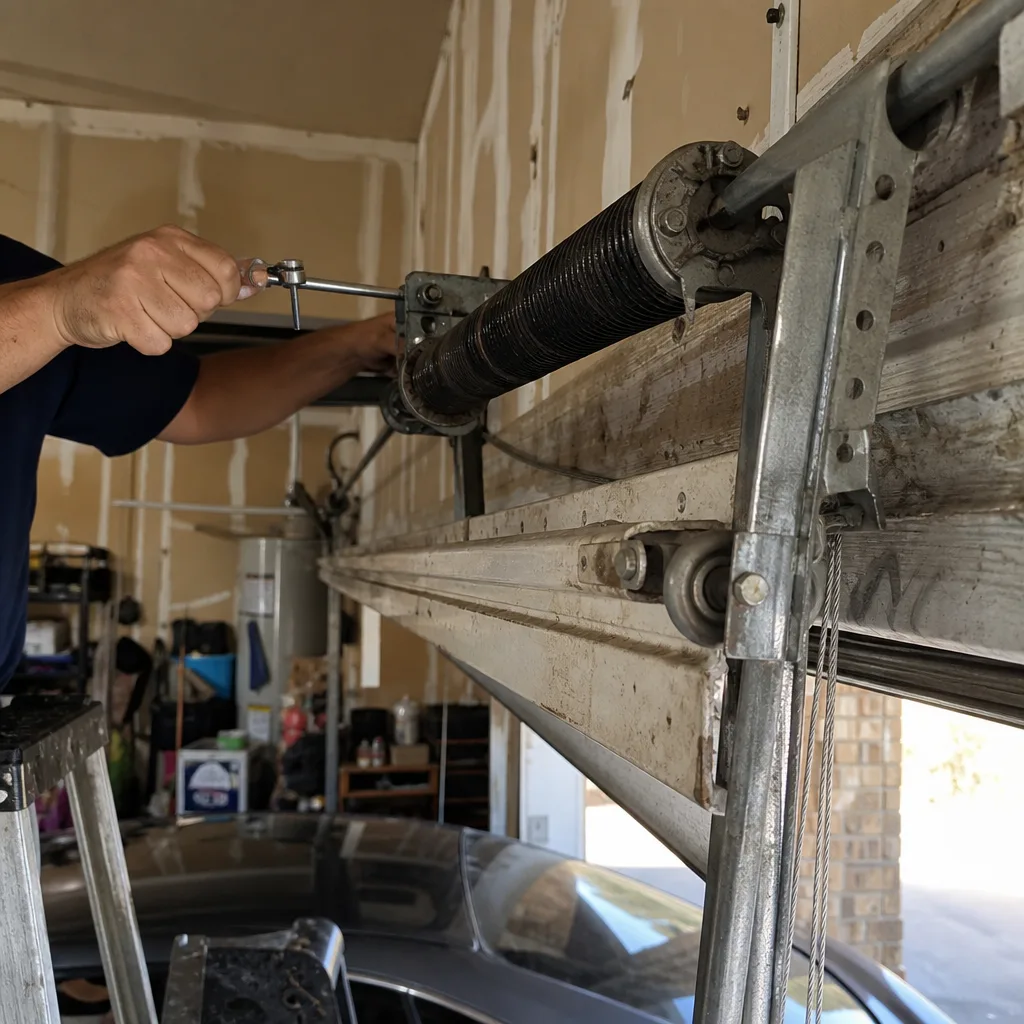 Before
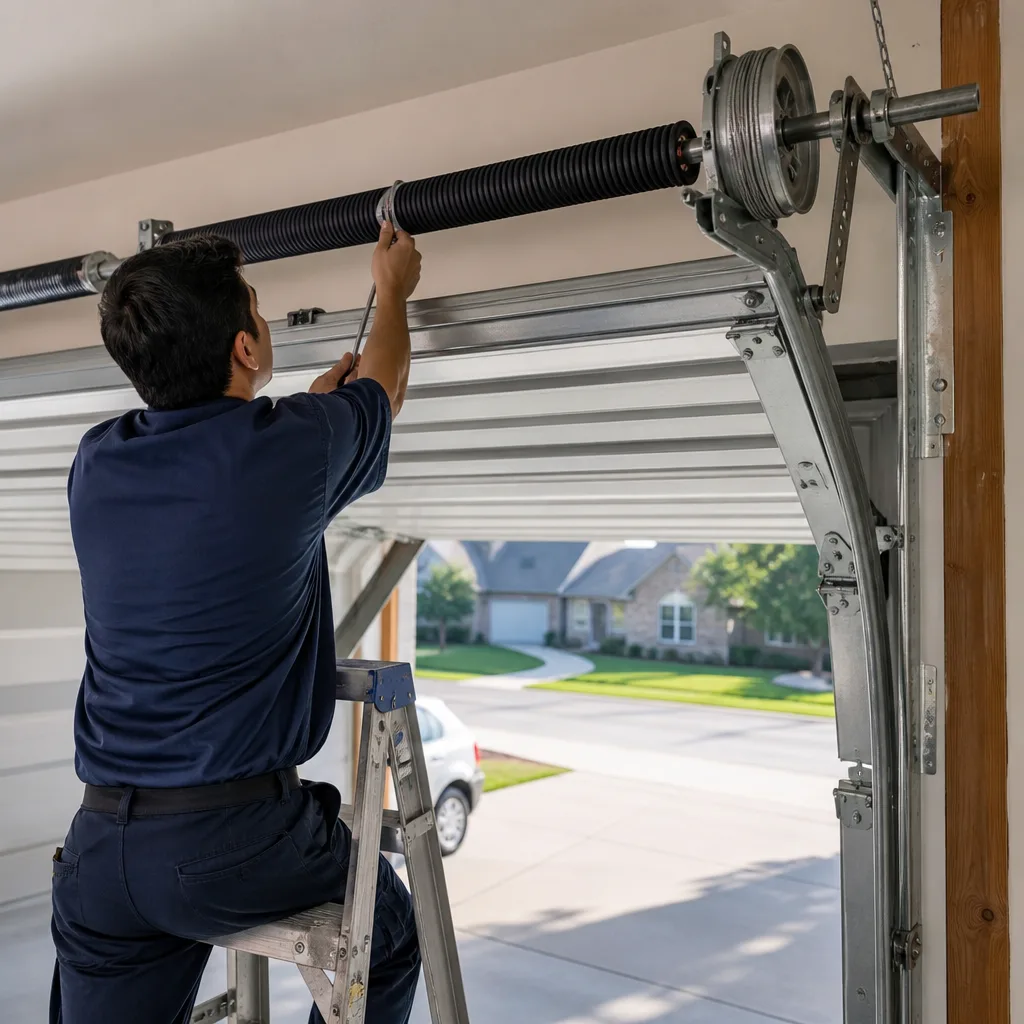 After
AfterGarage Door Permits, Codes & Inspections in TX: What You Need to Know
Most garage door replacements in McKinney never cross a city planner’s desk, and that’s by design. A like-for-like swap, same opening, same footprint, same basic structure, rarely requires a permit anywhere in Collin County. But widen that rough opening by two inches to fit a taller door, add a side pedestrian entrance, or convert a carport into an enclosed garage, and you’ve just crossed from a parts replacement into a structural alteration. That line is where unpermitted work lives, and it’s the line that surfaces at closing when a title search or inspection flags a door that doesn’t match the city’s records. This guide maps exactly where that line sits in McKinney today, what the inspection actually checks, and which documents you should store with the deed, not shred. For more on keeping your door in top condition, see our Garage Door Repair Maintenance Checklist for McKinney Homeowners.
Quick Answer
Most standard garage door replacements in McKinney, Texas do not require a building permit when the door fits the existing rough opening and no structural changes occur. A permit is required when the opening is enlarged or reshaped, when a garage is converted to living space, when a new garage is added, or when wind-load-rated door requirements apply to attached garages in designated zones. Inspections, when triggered, cover structural attachment, wind-load compliance, safety sensor operation, and fire separation where applicable. The guide below maps each trigger, what the inspector tests, and which McKinney neighborhoods have HOA rules layered on top.
Table of Contents
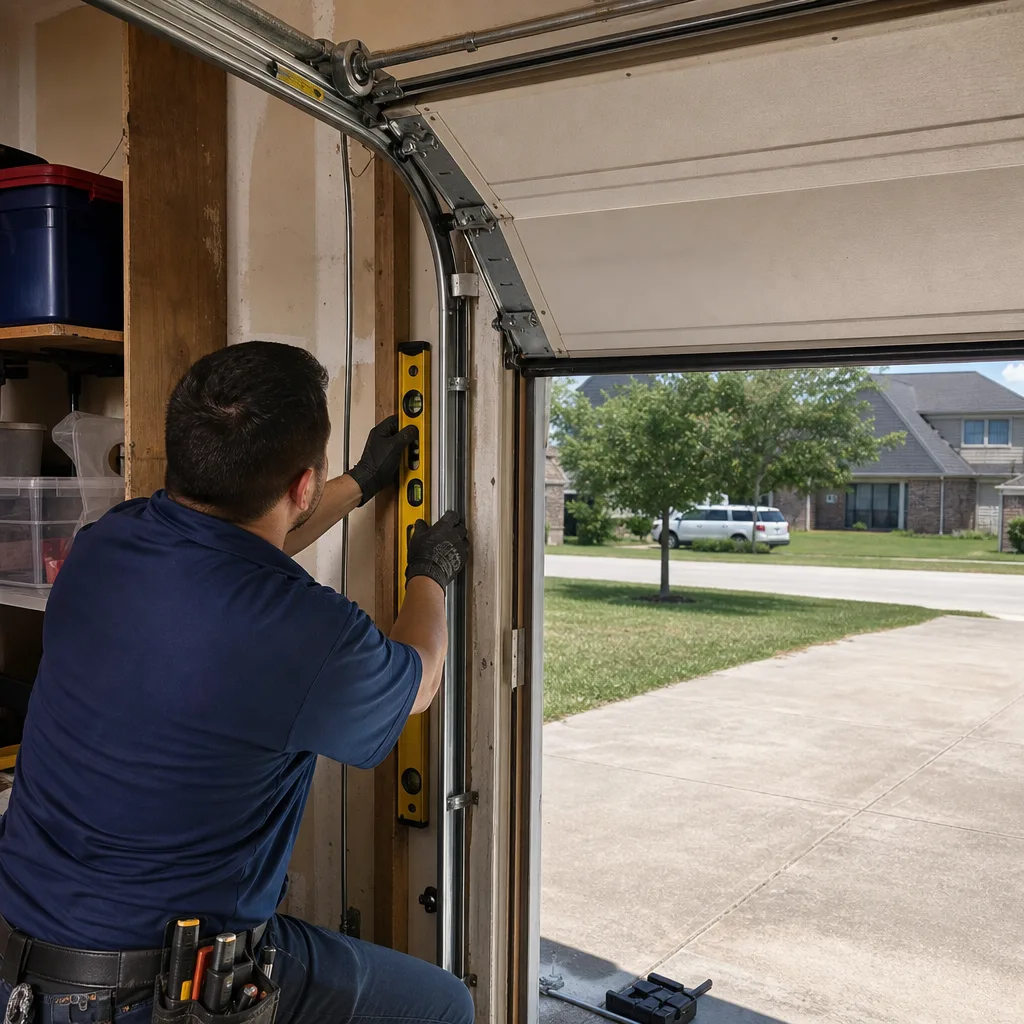
- When a Garage Door Permit Is Actually Required in McKinney
- When a Permit Is Not Required: The Like-for-Like Swap Rule
- Texas Wind-Load Requirements and How They Apply to Garage Doors
- What a Garage Door Inspection Actually Covers: The Inspector’s Checklist
- HOA Covenants in McKinney’s Major Subdivisions: Craig Ranch, Stonebridge Ranch, Tucker Hill
- How to Request a Certificate of Completion and Where to Store It
- Common Mistakes to Avoid
- When to Call a Professional
- Frequently Asked Questions
- The Bottom Line
BeforeAfterWhen a Garage Door Permit Is Actually Required in McKinney
The City of McKinney adopts the International Residential Code (IRC) with local amendments, and the permit triggers for garage doors flow directly from IRC Section 105.1, which requires a permit for any work that alters the structure. A garage door sitting in an existing rough opening, mounted to the same header and jambs, does not alter the structure. A garage door that requires cutting new framing, relocating a support column, or enlarging the header does.
Here are the specific scenarios in McKinney where a building permit is required for garage door work:
- Enlarging or reshaping the rough opening. Even a two-inch increase in opening width means new header work, new king studs, and possibly new shear wall detailing. The house’s structural load path changes at that point, and the city wants an engineer’s letter or a prescriptive detail from IRC Chapter 6.
- Converting a single-car opening to a double-car opening. This removes a load-bearing column. The replacement header must be sized, and the remaining wall must still meet bracing requirements for wind and seismic loads.
- Converting a carport to an enclosed garage. This is a change of use under IRC, not just a door installation. Wall framing, fire separation, and possibly a new slab edge detail all come into play.
- Converting a garage to living space. Removing garage doors and replacing them with an exterior wall and a residential entry door changes the occupancy classification. A permit is mandatory, and the project also triggers insulation, egress, and ventilation requirements.
- Adding a new garage or a new detached structure with a garage door. Any new structure over 200 square feet in McKinney requires a building permit, and garage doors on new structures are included in that permit’s scope.
In our experience repairing and installing doors across McKinney since 2015, the most common unpermitted work we see-and a scenario we cover in our Garage Door Warning Signs: A McKinney Homeowner’s Reference Guide-is a door widened by a previous owner who wanted a larger SUV clearance. The work looks fine from the driveway, but the header above it may be undersized, and that is exactly the kind of thing a buyer’s inspector flags during escrow.
When a Permit Is Not Required: The Like-for-Like Swap Rule
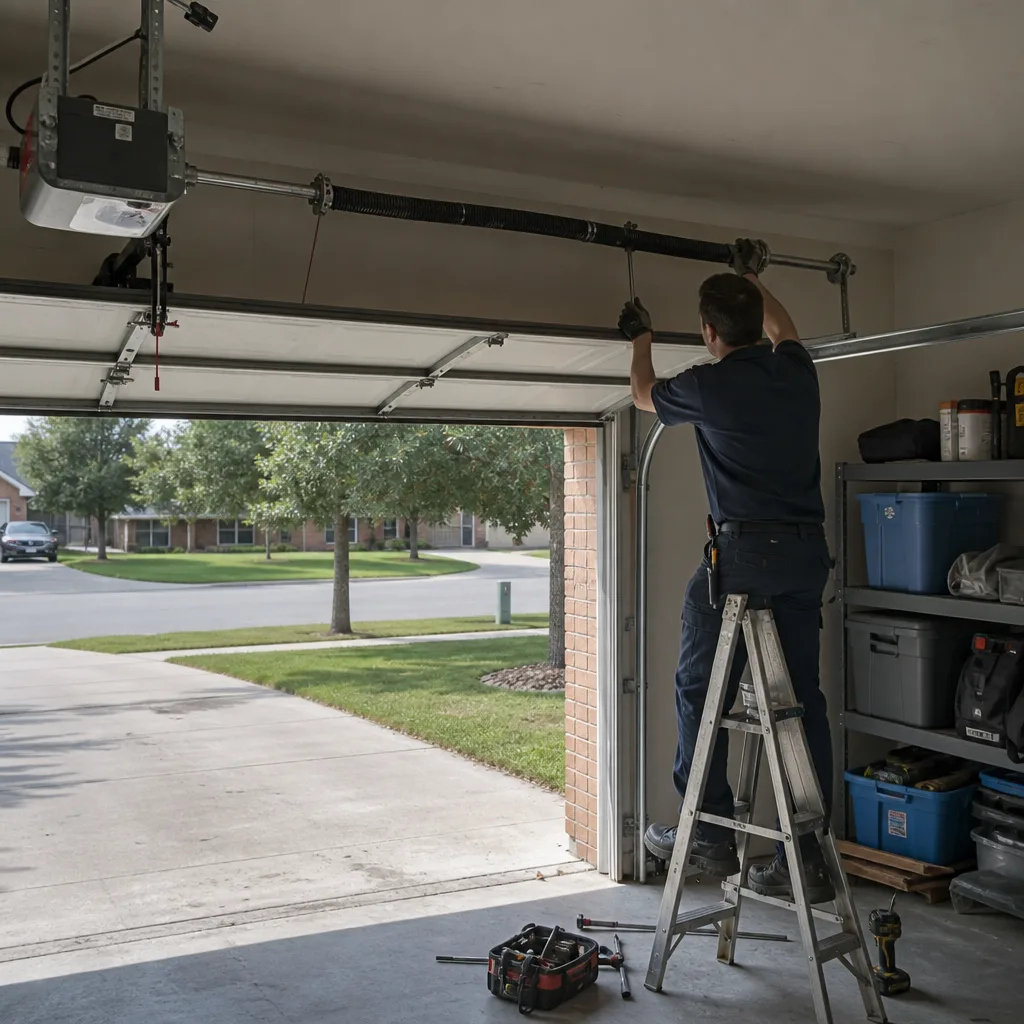
McKinney follows the IRC’s exemption for ordinary repairs. IRC Section 105.2 exempts work that replaces existing components with similar components, provided the work does not alter the structure, the egress, the fire rating, or the utility connections. A garage door that fits the existing rough opening without modification falls under this exemption.
That means these jobs do not require a permit in McKinney:
- Removing a 16-foot-by-7-foot sectional door and installing a new 16-foot-by-7-foot sectional door in the same opening.
- Replacing a broken torsion spring with a new spring of the same or equivalent wire diameter and cycle rating.
- Swapping a chain-drive opener for a belt-drive opener of the same horsepower rating.
- Replacing garage door panels on the existing tracks, provided the track hardware and mounting points remain unchanged.
- Replacing weatherstripping, bottom seals, rollers, hinges, and other wear items.
The test the city uses is simple: does the new component mount to the same attachment points, use the same rough opening, and perform the same function? If yes, it’s a repair, not an alteration. If any attachment point moves, any framing member changes, or any dimension shifts, the exemption no longer applies.
One nuance worth knowing: McKinney does not require a permit for driveway approach work or a simple door replacement, but if the door is on a street-facing elevation in a historic district, the city’s historic preservation officer may have a separate design review process. McKinney’s historic district covers portions of the downtown residential area, and any exterior change visible from the public right-of-way can trigger a Certificate of Appropriateness. This is separate from a building permit and applies even to like-for-like swaps in those blocks.
Texas Wind-Load Requirements and How They Apply to Garage Doors
Texas does not have a single statewide garage door code. Local jurisdictions adopt the IRC, and wind-load requirements come from the Texas Department of Insurance (TDI) through its role in enforcing the Texas Windstorm Insurance Association (TWIA) building specifications. McKinney sits in Collin County, east of the TWIA-designated Tier 1 coastal counties, so the mandatory windstorm certification rules that apply in Galveston or Corpus Christi do not apply here. But that does not mean wind load is irrelevant.
Collin County is in a 90-mph basic wind speed zone under current IRC maps, which puts McKinney in a moderate wind-load category. The practical effect is this: a standard residential garage door rated for 90 mph meets code when properly installed with the manufacturer’s specified track and jamb brackets. Most doors from the major manufacturers, including Raynor, LiftMaster, Chamberlain, and Genie for openers, are tested to wind-load standards far exceeding 90 mph when installed per the manufacturer’s instructions.
The issue we see in McKinney is not the door’s rating. It’s the fastening pattern. A wind-rated door is only as strong as the lag pattern anchoring the track to the jamb and the header. We have seen doors where the center hinge reinforcement struts were never installed, or where the track was anchored with drywall screws instead of structural lags. When a storm front moves through Collin County with straight-line winds, those doors deflect, bind, and sometimes leave the tracks entirely.
The IRC provision that matters for McKinney homeowners is Section R609, which governs garage doors and requires that doors be listed and labeled per ANSI/DASMA 108 or equivalent, and installed per the manufacturer’s instructions. The wind-load label on a door is a certification, not a suggestion. If a door is modified after manufacturing, drilling through a wind strut to mount a handle, for example, the label is voided and the door is no longer code-compliant.
For attached garages, the interaction between the door and the house’s continuous load path matters more than most homeowners realize. The garage wall with the door opening is often the largest wall on the windward side of a McKinney home. If the door racks because the track is under-fastened, the lateral load transfers unevenly into the wall framing, and that’s when door panels crack and headers begin to show stress cracks in the drywall above the opening.
What a Garage Door Inspection Actually Covers: The Inspector’s Checklist
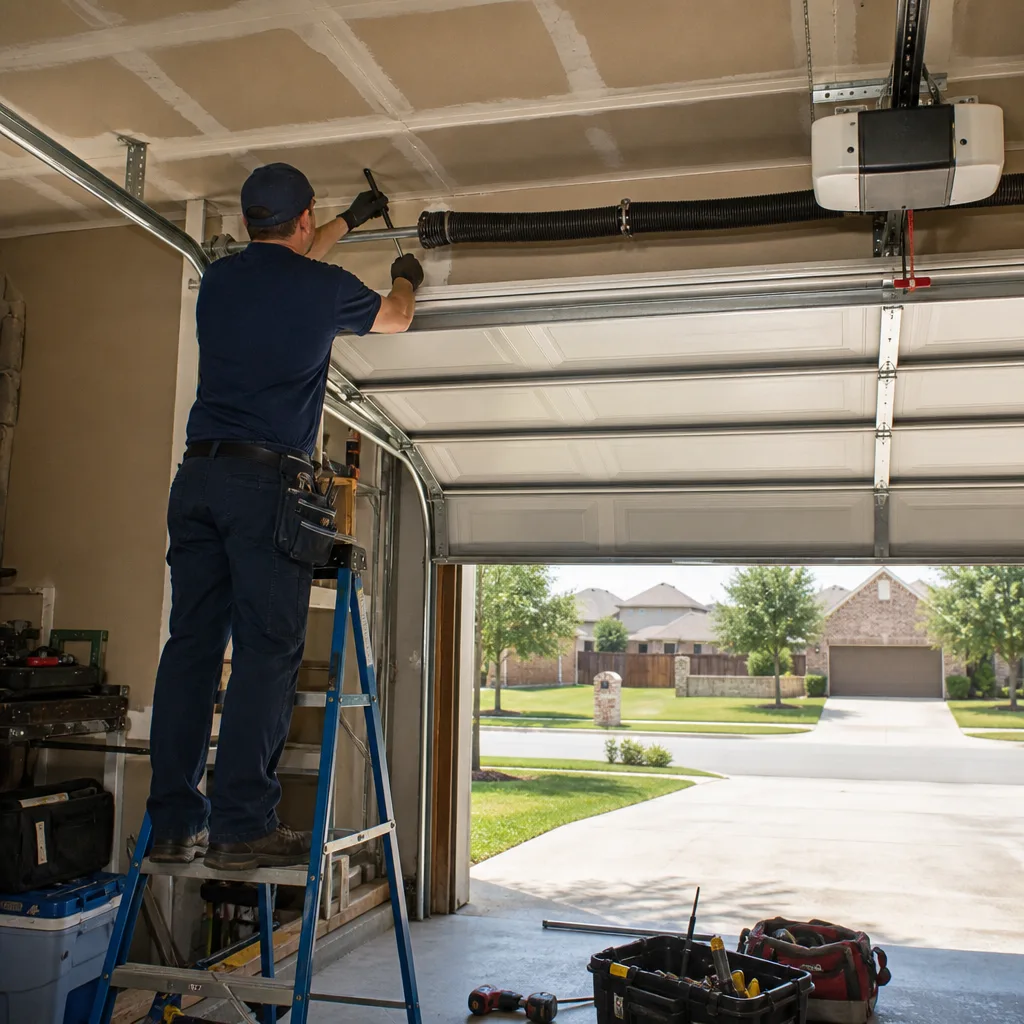
When a garage door installation is part of a permitted project in McKinney, the building inspector comes to the site after the door is installed and tests the finished assembly. The inspection is not a drive-by. The inspector physically operates the door, tests the safety systems, and checks the structural connections. Here is what a McKinney garage door inspection covers:
- Rough opening and framing verification. The inspector confirms the as-built header size, king stud count, and jamb dimensions match the approved plans. If the plans called for a 4×12 header and the installer hung the door on a 4×8, the inspection fails on the spot.
- Wind-load labeling. The door must carry a visible wind-load label or equivalent documentation showing compliance with the design wind speed for Collin County. The inspector will look for the label on the door edge or the bottom panel.
- Anchorage and fastening. The inspector checks that track brackets are attached with the specified fasteners, typically 3/8-inch or 1/2-inch lag screws into solid framing, not just drywall anchors or short screws into trim.
- Safety sensor operation. The photo-eye sensors at the bottom of the door opening must be installed no higher than 6 inches off the floor and wired to reverse the door when the beam is interrupted. The inspector tests this with an actual obstruction.
- Auto-reverse force setting. The opener must reverse when it encounters resistance. The inspector uses a test block or observes the force setting demonstration. A door that keeps closing with a 2×4 under it fails.
- Fire separation where applicable. If the garage is attached to living space, the wall between the garage and the house must meet IRC Section R302. The garage door itself does not need a fire rating in a standard single-family home, but the wall assembly does, and the inspector confirms the door installation did not compromise it.
- Manual release operation. The inspector confirms the emergency release works and that the door can be operated manually without excessive force.
A failed inspection requires a correction and a re-inspection. The most common failure we see on permitted door work in McKinney is sensor placement. Technicians mount the photo eyes too high, or they set the auto-reverse force too aggressively to compensate for an unbalanced door, which masks the root problem. The inspector catches both. The correct fix is to balance the door properly, set the force to the minimum that operates the door reliably, and remount the sensors at the right height. Then the re-inspection passes.
HOA Covenants in McKinney’s Major Subdivisions: Craig Ranch, Stonebridge Ranch, Tucker Hill
City code sets the floor. HOA covenants set the ceiling. In McKinney’s larger planned communities, the architectural review process runs parallel to the city’s permitting process, and neither replaces the other. A door that is perfectly legal under McKinney code can still violate an HOA covenant, and the HOA’s enforcement mechanism is not a building inspector, it’s a fine schedule and a lien right.
Craig Ranch, the master-planned development along the east side of McKinney, has a design review committee that reviews all exterior changes visible from any street or common area. Their covenants require that garage doors on street-facing elevations match the community’s design palette, which in practice means specific door styles, panel profiles, and color families. A homeowner who installs a white raised-panel door where the design guidelines call for a wood-tone carriage-style door will receive a covenant violation letter, and that letter is not effective until it’s generated. The city permit process does not review door aesthetics. The HOA process reviews nothing but.
Stonebridge Ranch, the large community along Virginia Parkway in western McKinney, enforces its covenants through an active property owners association. Their architectural guidelines restrict garage door replacement to doors that match the original style of the elevation, which varies by village within Stonebridge. Some villages permit contemporary full-view doors; others do not. The practical guidance here is to submit a modification application before ordering a door, because the HOA’s review cycle takes up to 30 days and a non-refundable door deposit is already spent by the time the denial letter arrives.
Tucker Hill, the traditional neighborhood development in far north McKinney, has stricter architectural standards than most suburban subdivisions. The design guidelines there are prescriptive down to the door hardware finish. Garage doors must be consistent with the home’s architectural character, and the review committee approves or denies based on a design narrative, not just a photo. This is the neighborhood in McKinney where we most frequently see approval requests sent back for revision, often because the door material specified was not on the approved materials list.
The operating rule across all three: check the HOA’s architectural review process before you order the door, and treat the HOA approval as a document to store alongside the permit. The HOA approval letter is evidence that the completed work was reviewed and approved, which matters when a future buyer asks why the door looks different from the neighbors’, and the answer is, here is the approval that permitted it.
How to Request a Certificate of Completion and Where to Store It
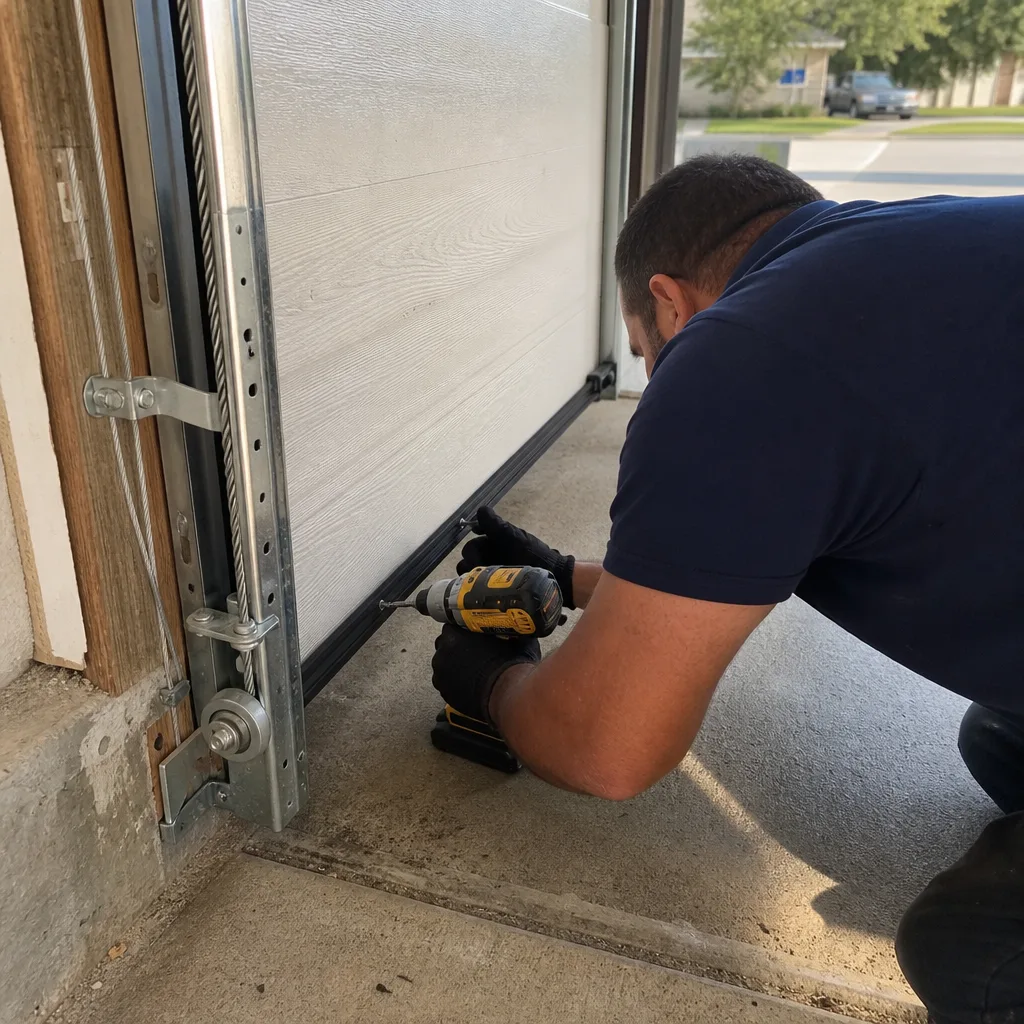
A Certificate of Completion in McKinney is the document the city issues after a permitted project passes its final inspection. For garage door work that triggered a permit, this is the single most valuable piece of paper you will take away from the project. It proves that the work was inspected, that the installation met code at the time of inspection, and that no outstanding correction notices are on file.
Here is the step-by-step process for obtaining one in McKinney:
- Confirm the permit is in your name. If a contractor pulled the permit, the contractor is the permit holder. You can still request a copy of the Certificate of Completion, but the city will route the request through the permit holder’s account unless you complete a records request.
- Schedule the final inspection. This is done through the city’s online permitting portal or by phone through the Building Inspections Division. The inspection must be scheduled within 10 business days of work completion, per McKinney’s standard inspection scheduling window.
- Pass the final inspection. The inspector verifies the checklist items in the section above. If the inspection passes, the Certificate of Completion is generated.
- Request the certificate from the Building Inspections Division. This can be done in person at the city offices on Eldorado Parkway or through the permitting portal. The city can email a PDF or provide a paper copy.
- Store it with the deed, not in a filing cabinet. The right place for a Certificate of Completion is in the same file as the warranty deed, the survey, and the title policy. When you sell the house, the title company will ask for evidence that permitted work was completed and inspected. The certificate answers that question without a search.
One detail that catches McKinney homeowners off guard: the Certificate of Completion expires as evidence of current compliance the moment a code cycle changes. A certificate issued under the 2015 IRC adoption remains valid as a record of inspection, but it does not guarantee the door meets the 2024 IRC requirements now in effect. For a garage door, this distinction rarely matters, because door standards have been stable across the last three code cycles. But it explains why a home built in 2018 with a permitted door installation can still have a modern code issue flagged by a sharp home inspector, and why storing the certificate is about documentation, not insurance against time.
Common Mistakes to Avoid
- Assuming every garage door job needs a permit. McKinney exempts like-for-like swaps under IRC Section 105.2. Pulling an unnecessary permit delays the project by weeks and adds inspection scheduling to a job that did not need it.
- Assuming no garage door job needs a permit. The counterpoint mistake. Enlarging an opening, even slightly, is a structural alteration. The city can issue a stop-work order, and unpermitted structural work is a disclosure requirement when you sell.
- Ordering a door before checking HOA design review. In Craig Ranch, Stonebridge Ranch, and Tucker Hill, the review cycle runs 14 to 30 days. A door ordered and shipped before approval arrives is a door that may need to be returned or resold at a loss.
- Buying a door based on dimensions alone. A 16-foot door is not a 16-foot door. Track radius, headroom, side clearance, and the springing system all have to match the specific panel model, and a door that fits the opening on paper may not fit the headroom in a 1990s McKinney track home with a low ceiling.
- Ignoring wind-load labeling. A door without a wind-load label, or a door modified after manufacture, no longer meets the IRC listing requirement. This becomes a code issue during inspection and a resale issue during disclosure.
- Failing to test the auto-reverse and photo-eye sensors after any service work. We have watched inspectors fail final inspections because a homeowner disconnected the sensors to troubleshoot a closing issue and never reconnected them properly. The safety features are the first thing an inspector tests, not the last.
- Hiring a contractor who will not name the permit trigger in writing. If a contractor cannot tell you in writing whether your specific scope requires a permit, that answer will be settled after the work is done, and you will be the one holding the liability.
When to Call a Professional
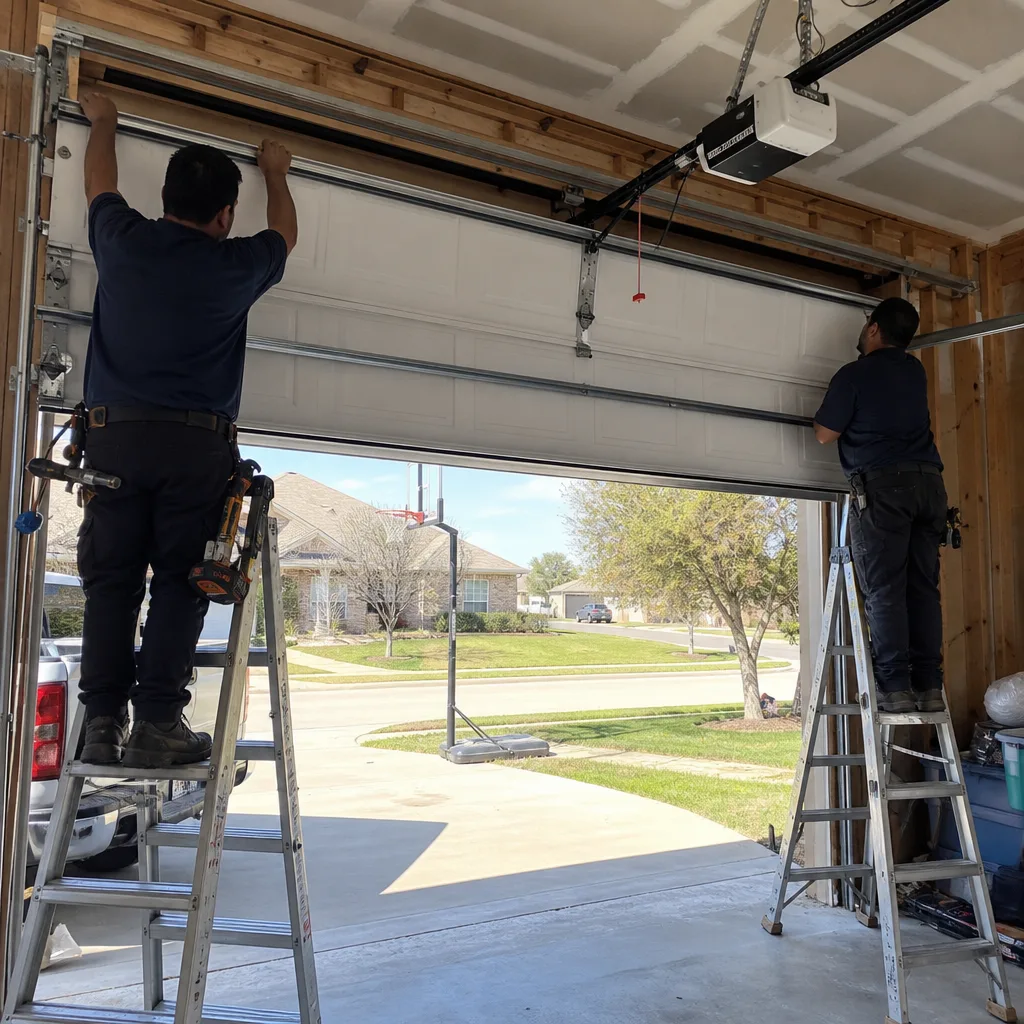
Garage door work that stays within the like-for-like repair exemption is within reach of a competent homeowner with the right tools and a respect for the danger involved. But the line a homeowner should not cross alone is clear: any work involving torsion spring replacement, any work requiring modification of the rough opening, any door replacement on a street-facing elevation in a McKinney HOA community, and any project that triggers a permit inspection. If you’re unsure where your project falls, read How to Hire a Garage Door Contractor in McKinney: A Step-by-Step Guide before deciding whether to DIY. Torsion springs on a standard 16-foot door hold several hundred pounds of rotational force even in the loaded position, and the unplanned release of that force causes serious injury. The spring is not a DIY component.
Servo Garage Doors McKinney offers free estimates in McKinney, and our quote is a flat, written price with a written scope under Clause 1 of The Haven Standard, delivered before any work starts. Call (469) 815-7610 if you need an expert eye on a permit question, a wind-load concern, or a door that has stopped behaving. See our Servo Garage Doors McKinney home page to understand how we work.
Frequently Asked Questions
No, a permit is not required for a like-for-like garage door replacement in McKinney when the door fits the existing rough opening and no structural changes occur. A permit is required when the opening is enlarged, the garage is converted to living space, or a new garage structure is added. Call (469) 815-7610 for a written scope that names the permit trigger for your specific job.
McKinney’s building permit fees are calculated on a valuation-based scale, and most single-door permit fees on a typical replacement range from $75 to $250 depending on the project valuation. The exact number is set by the city’s fee schedule, which adjusts annually. This is the permit fee only; it does not include plan review fees if structural drawings are required.
If the city discovers unpermitted structural work, it can issue a stop-work order, require the work to be opened up for inspection, and assess a double permit fee plus the cost of the original permit. The bigger exposure is at resale: unpermitted work is a disclosure requirement, and an unpermitted structural alteration that a buyer’s inspector flags can delay closing or force a price concession.
McKinney is in a 90-mph basic wind speed zone, so a standard listed and labeled garage door installed per the manufacturer’s instructions meets code. The door’s wind performance label matters, and modifications that void the label, like drilling through a wind strut, create a code violation. We address how this works in the section on Texas wind-load requirements above.
Yes, Stonebridge Ranch requires architectural review for garage door replacement on street-facing elevations, and the review cycle can take up to 30 days. Craig Ranch and Tucker Hill have similar processes with their own design standards. Submit the modification application before ordering the door, because the HOA approval letter is a document you will want to store with the deed.
Yes, the McKinney building inspector physically tests the photo-eye sensors and the auto-reverse force setting on any permitted garage door inspection. The sensors must be mounted no higher than 6 inches off the floor, and the opener must reverse when the beam is broken or when the door meets resistance. A door that fails either test fails the inspection.
For emergency repair calls, our phone is answered live 24/7, and a named technician is dispatched with an on-the-way text. Every job is quoted as a flat, written price with a written scope before any work begins, per Clause 1 of The Haven Standard. For more guides & resources on garage door care and McKinney home maintenance, explore our blog. Call (469) 815-7610 and a person answers, not a recording.
The Bottom Line
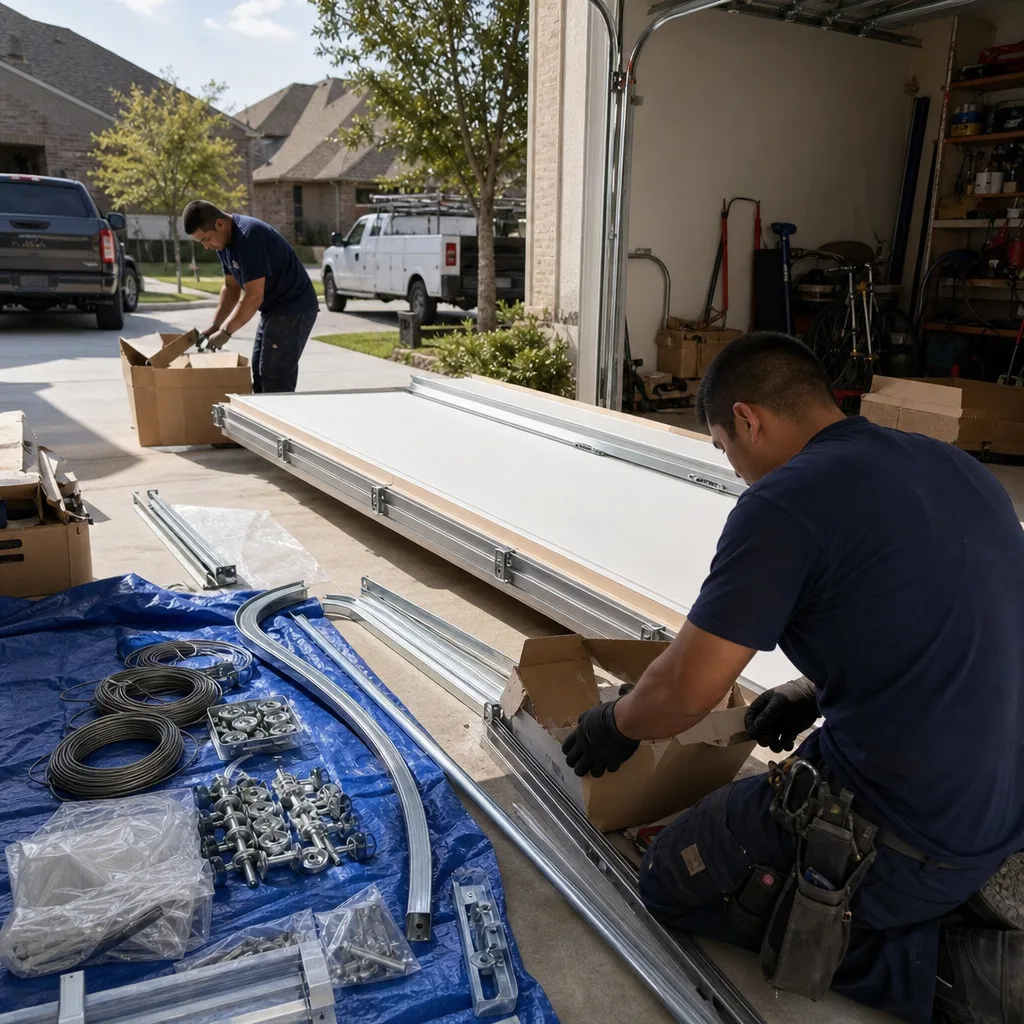
Garage door permits in McKinney follow a simple rule: if the rough opening does not change, the permit is usually not required. If any dimension of the opening changes, a structural permit is required, and the inspection that follows covers wind-load labeling, anchorage, safety sensor operation, auto-reverse force, and fire separation where applicable. The HOA layer, in communities like Craig Ranch, Stonebridge Ranch, and Tucker Hill, adds an aesthetic review that the city does not perform. The Certificate of Completion, when a permit is required, is the paper that proves the work was inspected, and it belongs with the deed. For a full picture of what repairs and replacements involve in McKinney, read our guides on Garage Door Repair in McKinney, Garage Door Installation in McKinney, and Garage Door Opener Repair & Installation in McKinney. If you want a written price before any work starts, call (469) 815-7610.
Written by Marcus Deller, Owner at Servo Garage Doors McKinney, serving McKinney since 2015.