
Last updated September 20, 2026
Full 25-point door and opener safety check with every visit - springs, cables, rollers, tracks, and your LiftMaster or Chamberlain opener included
You get a price before we start. It does not change when the truck arrives.
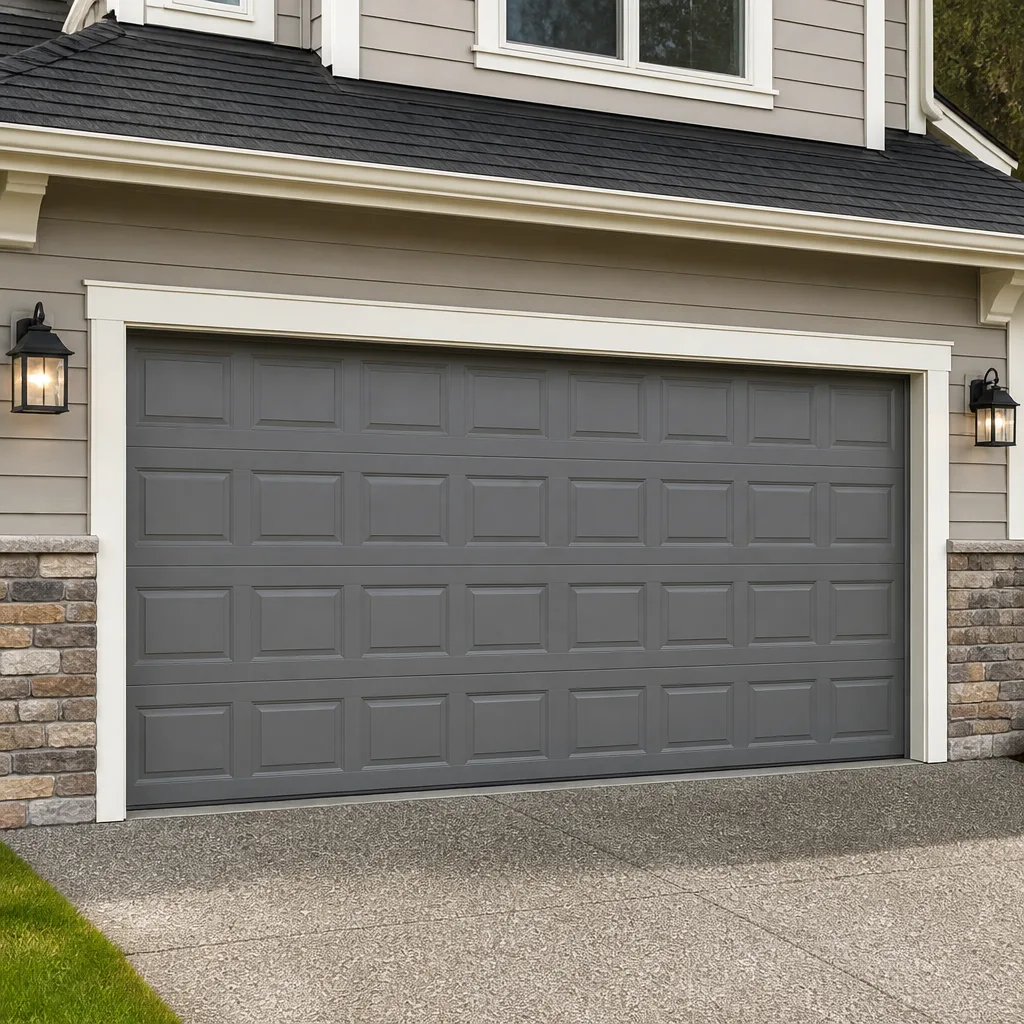
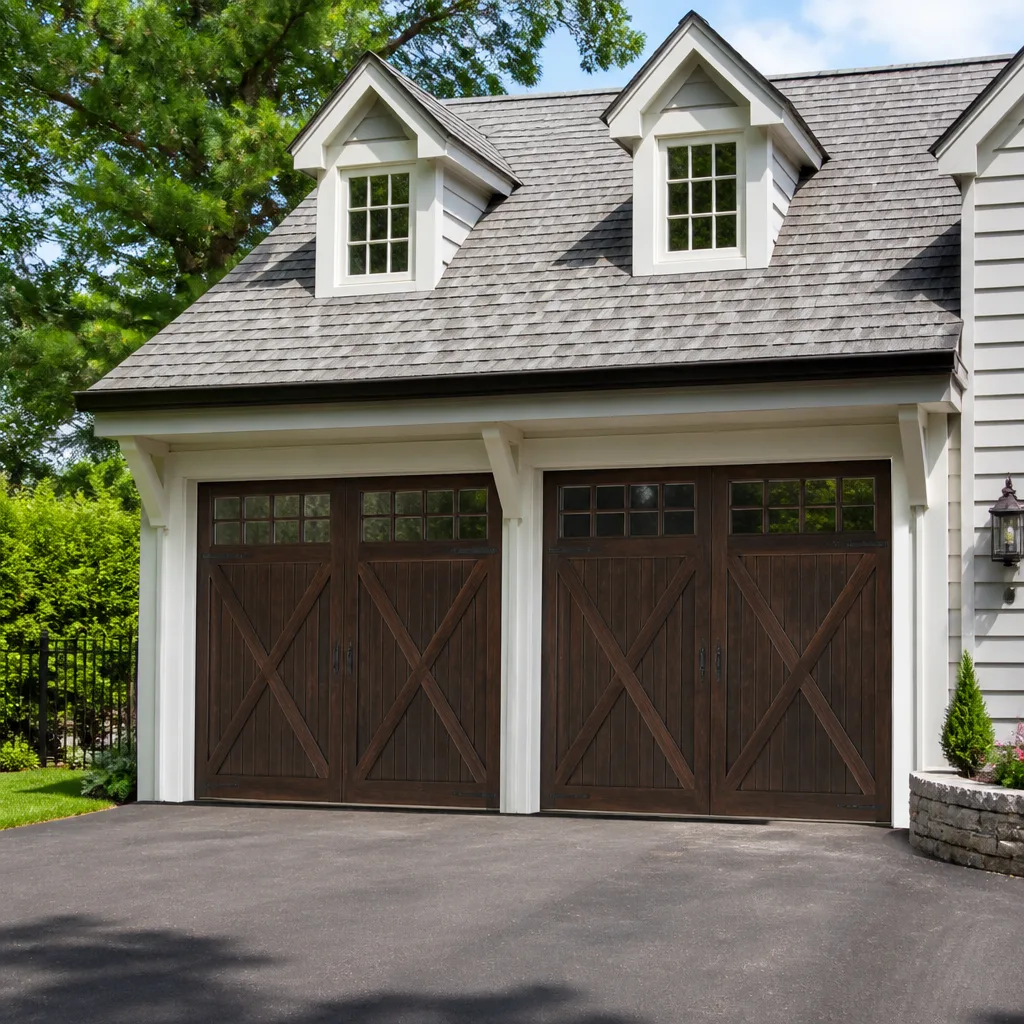
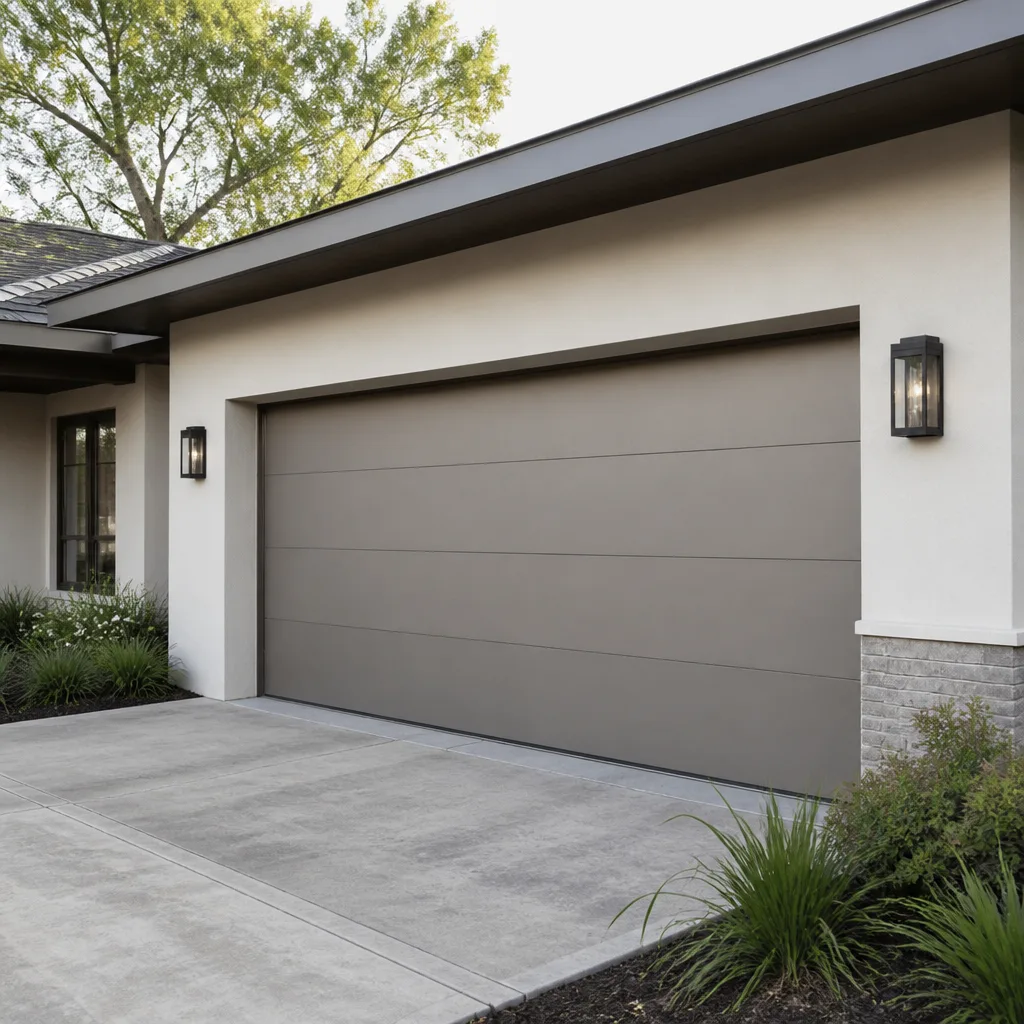
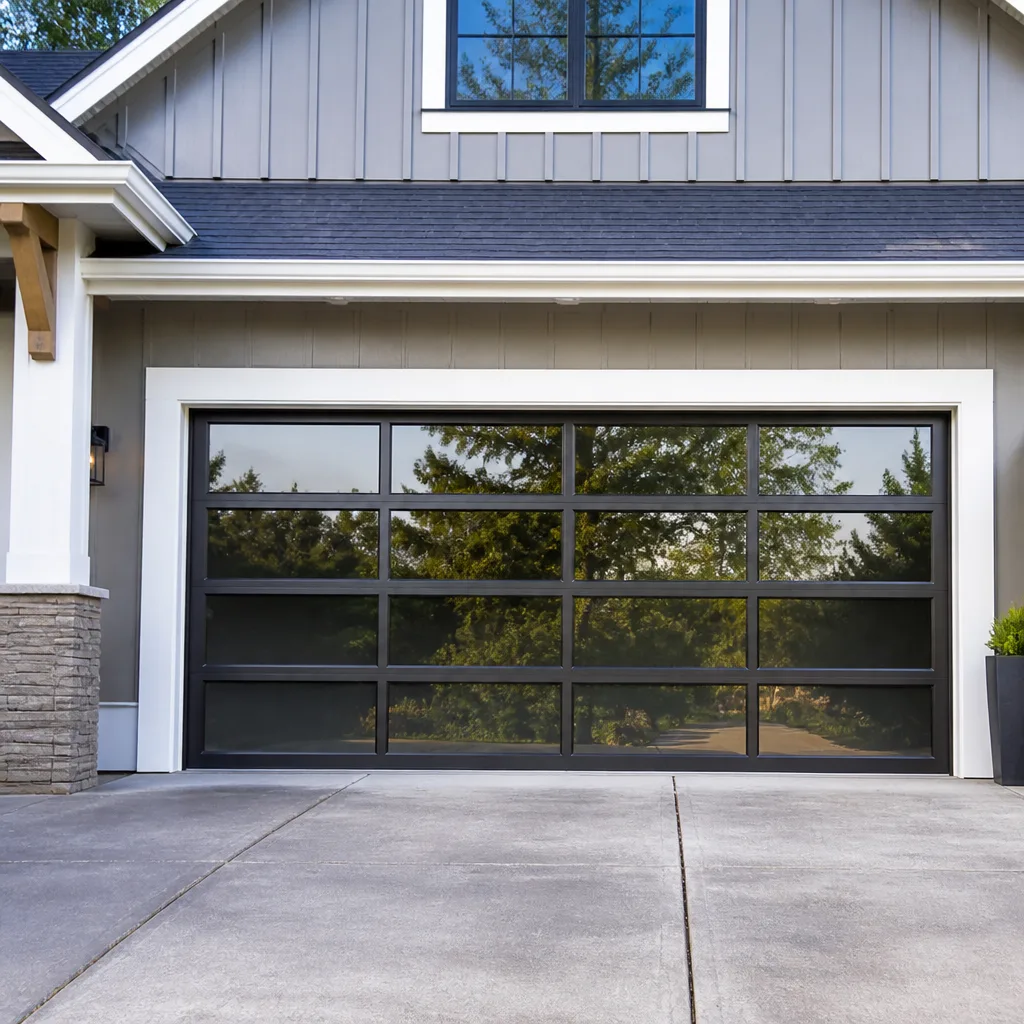
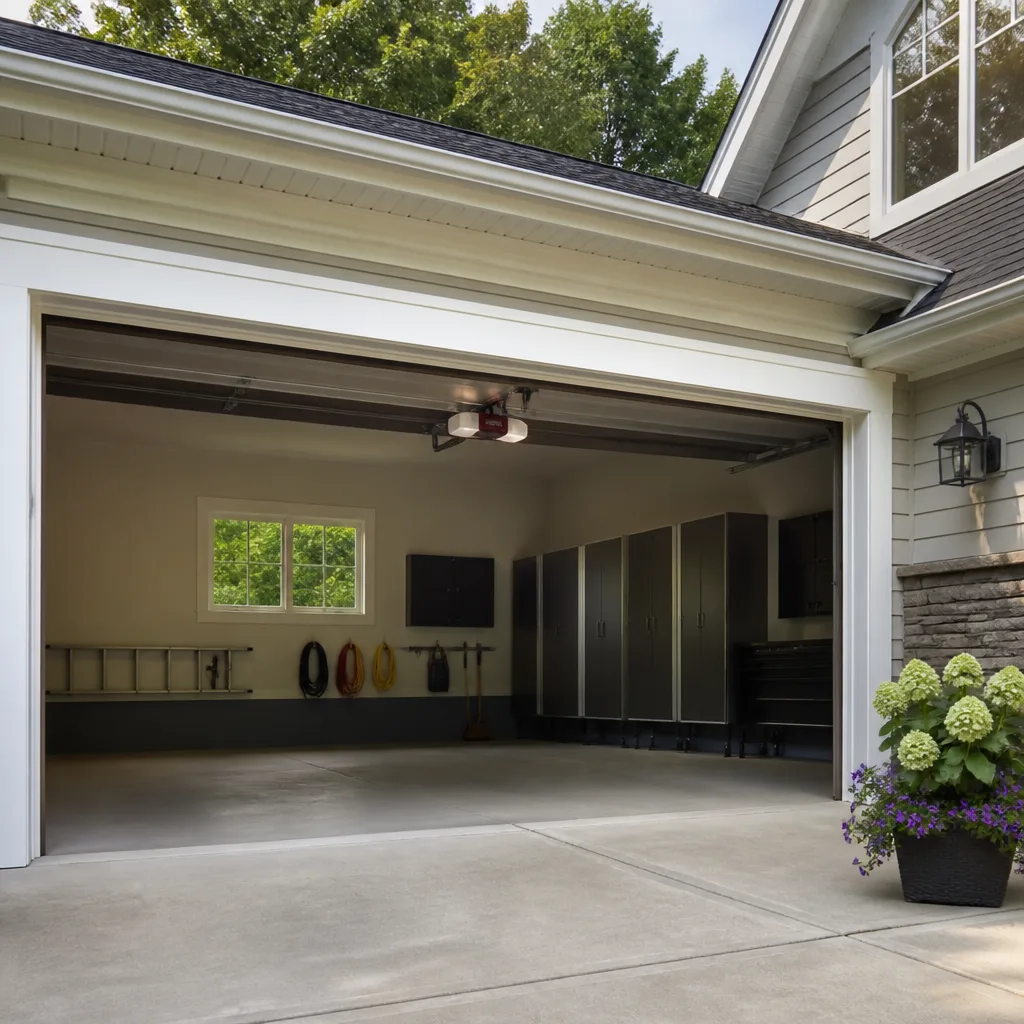
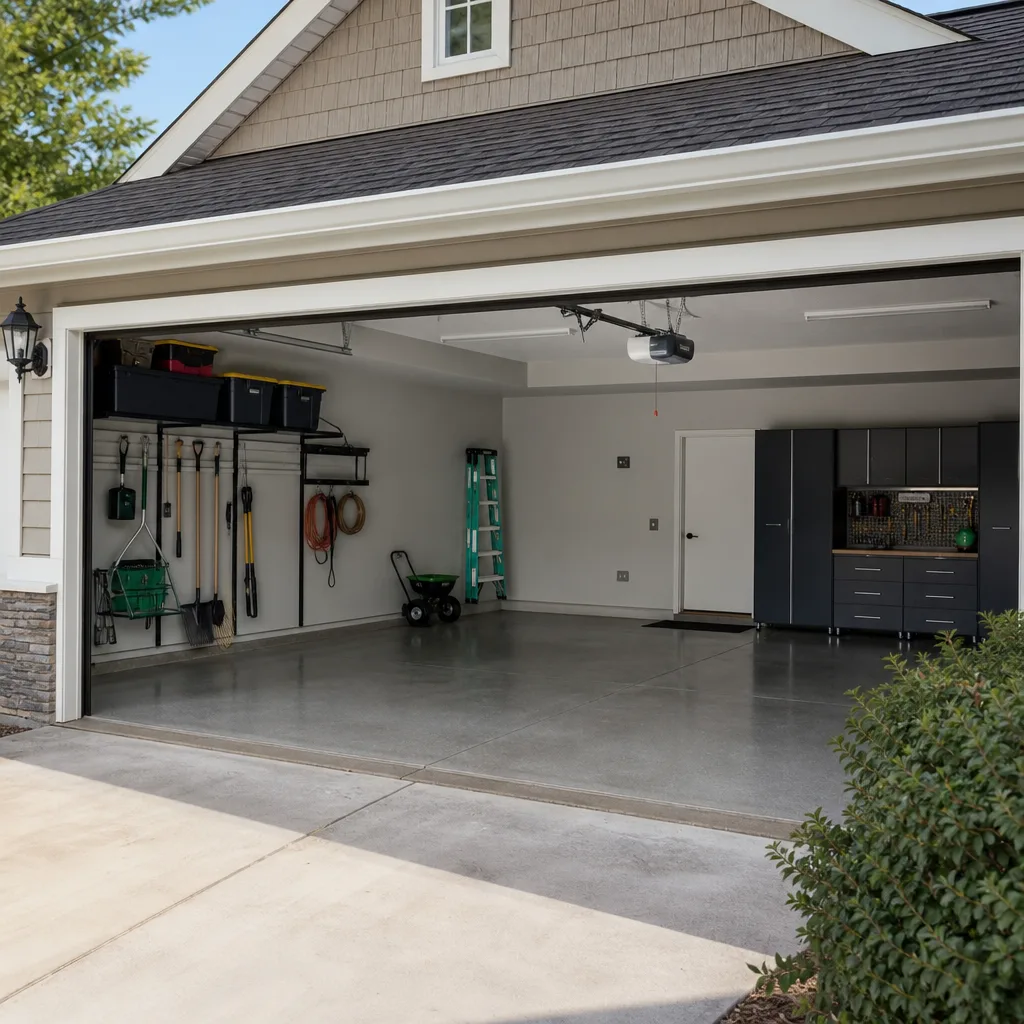
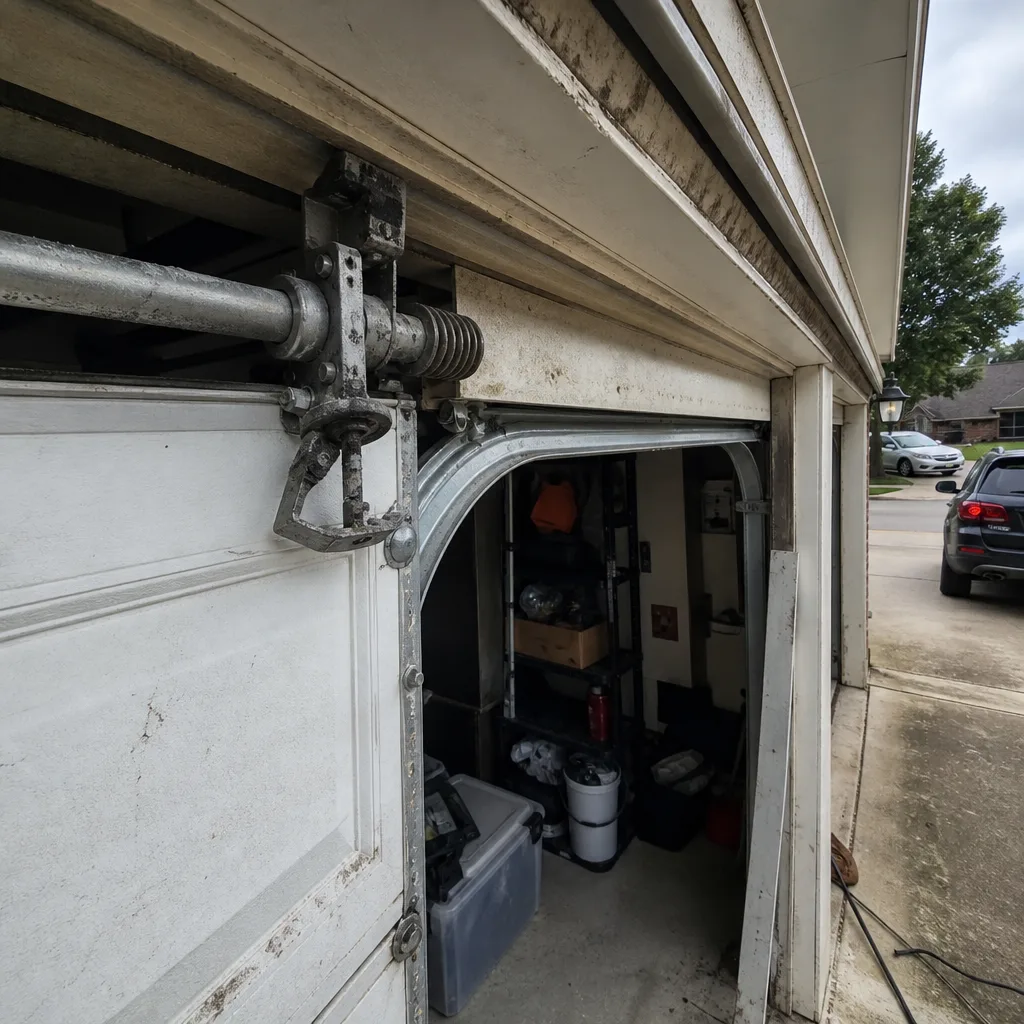 Before
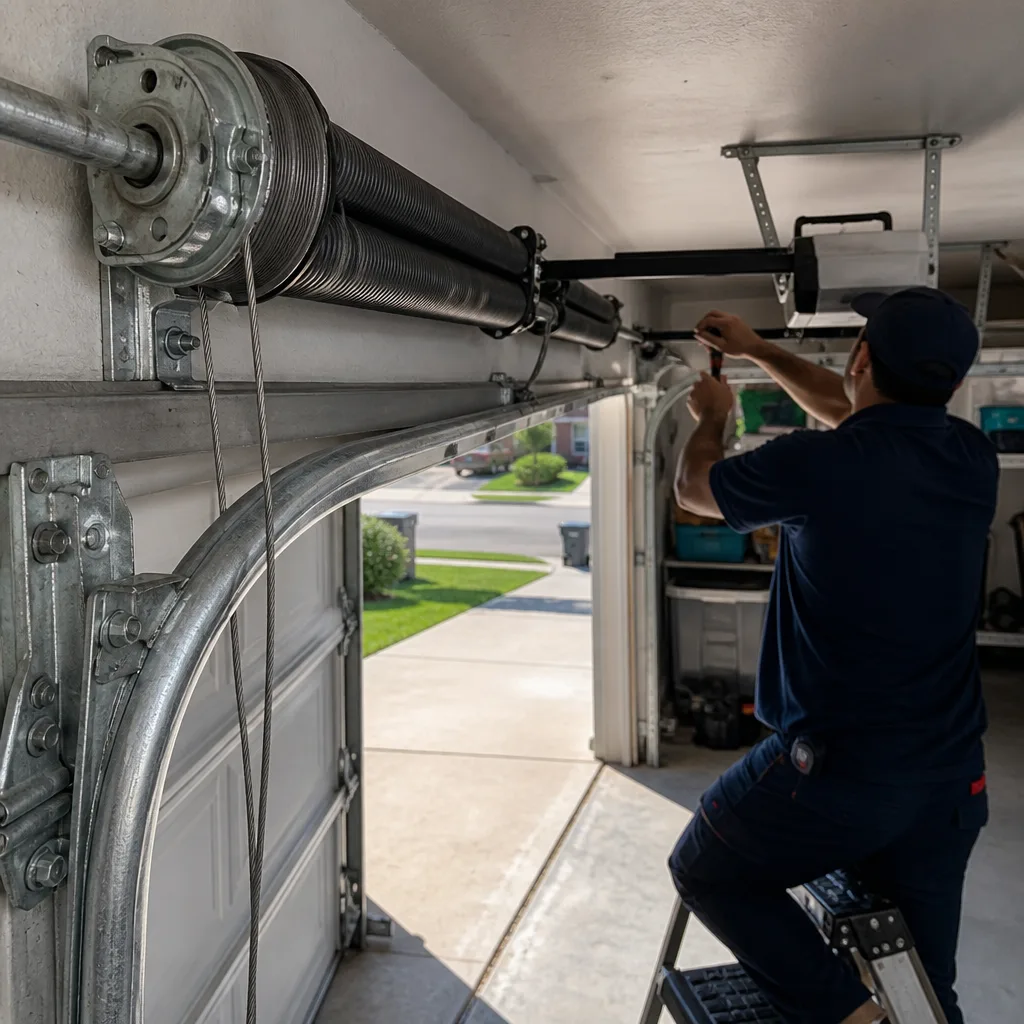 After
After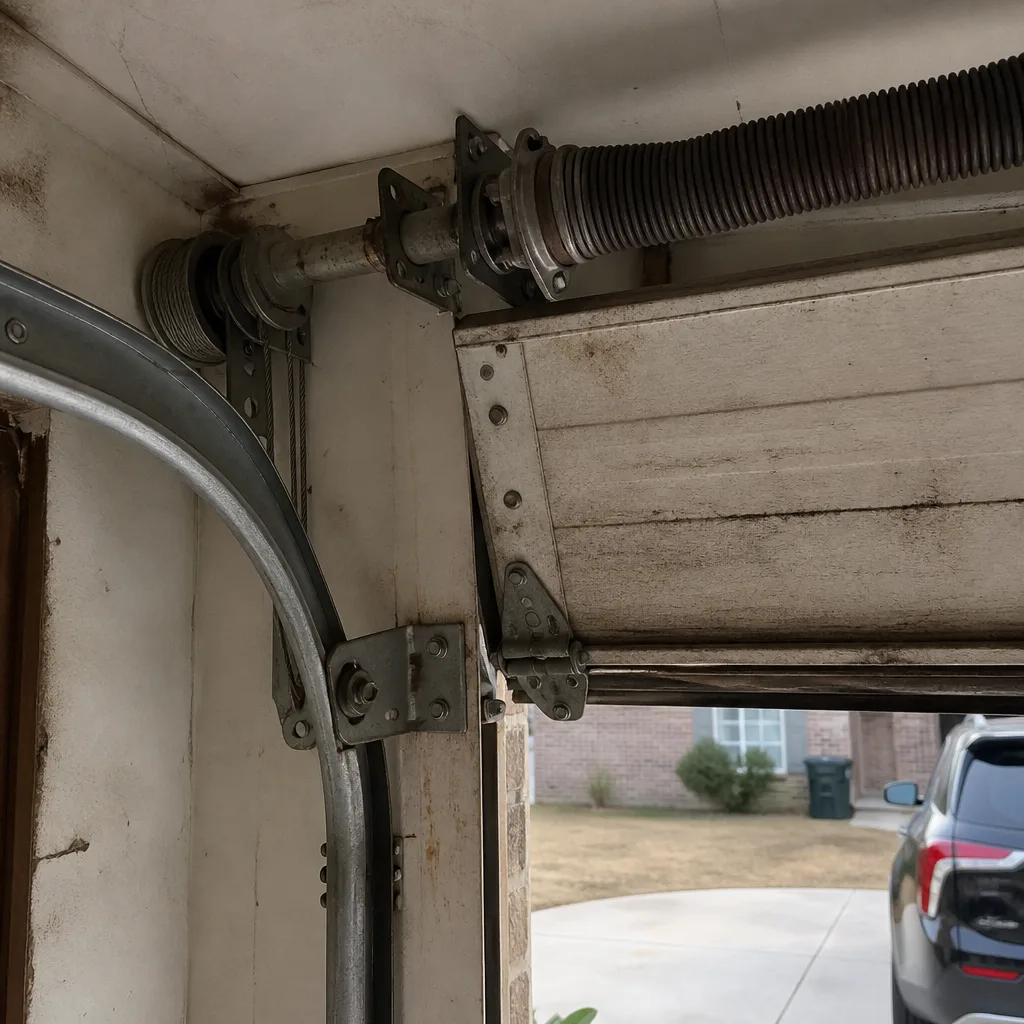 Before
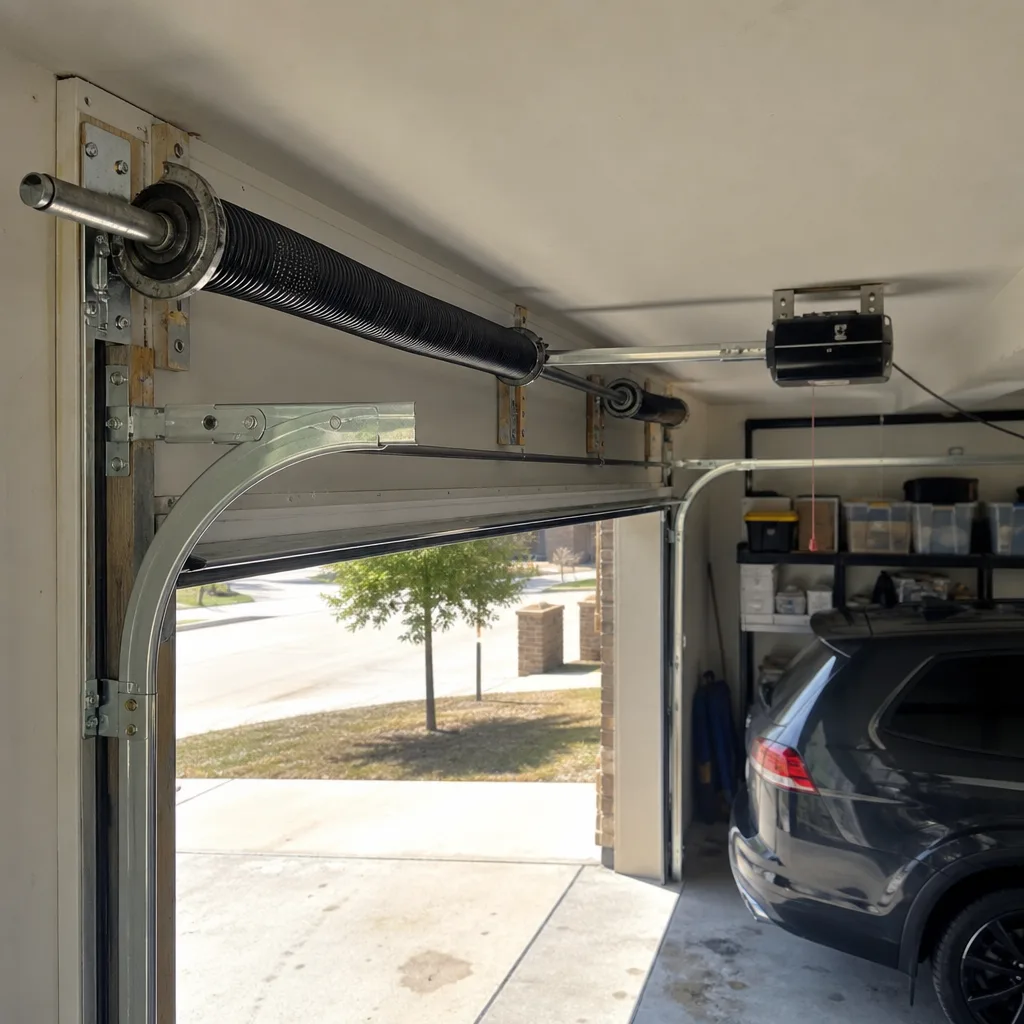 After
After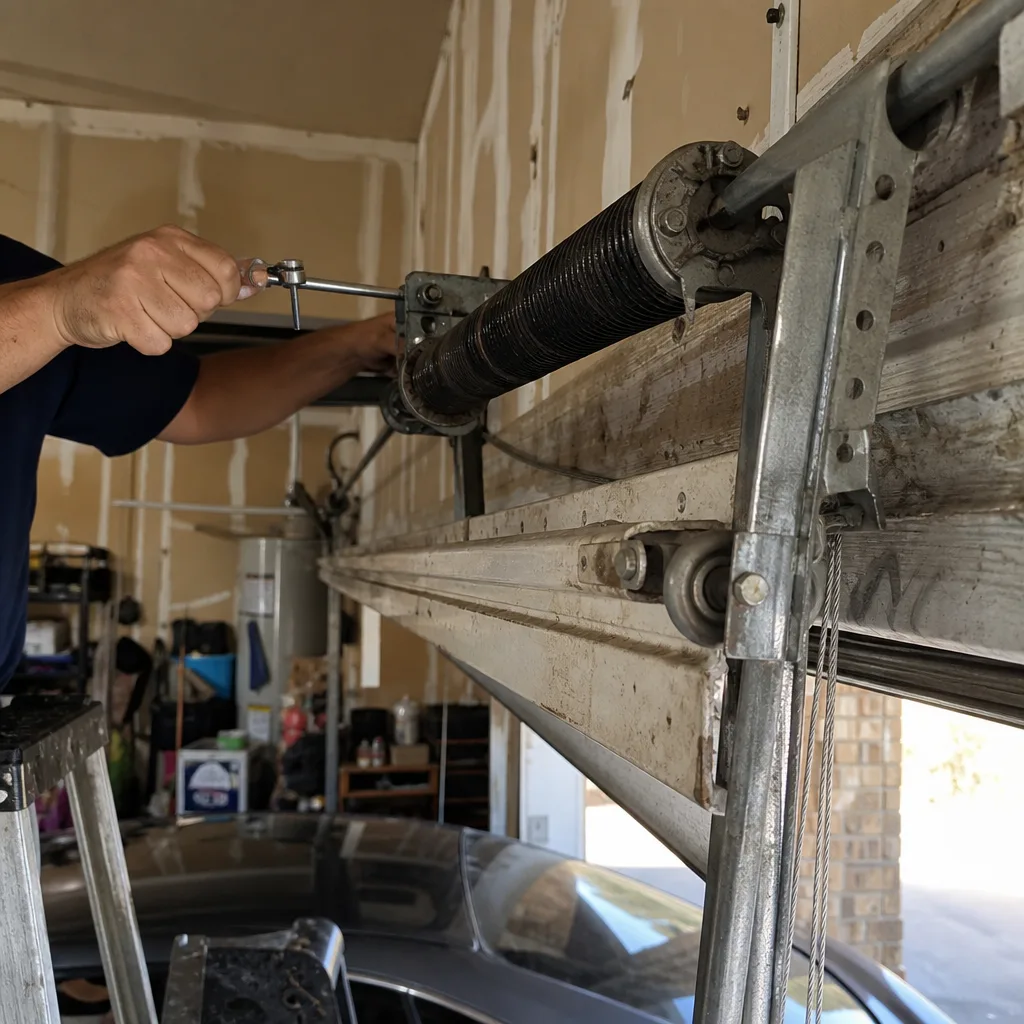 Before
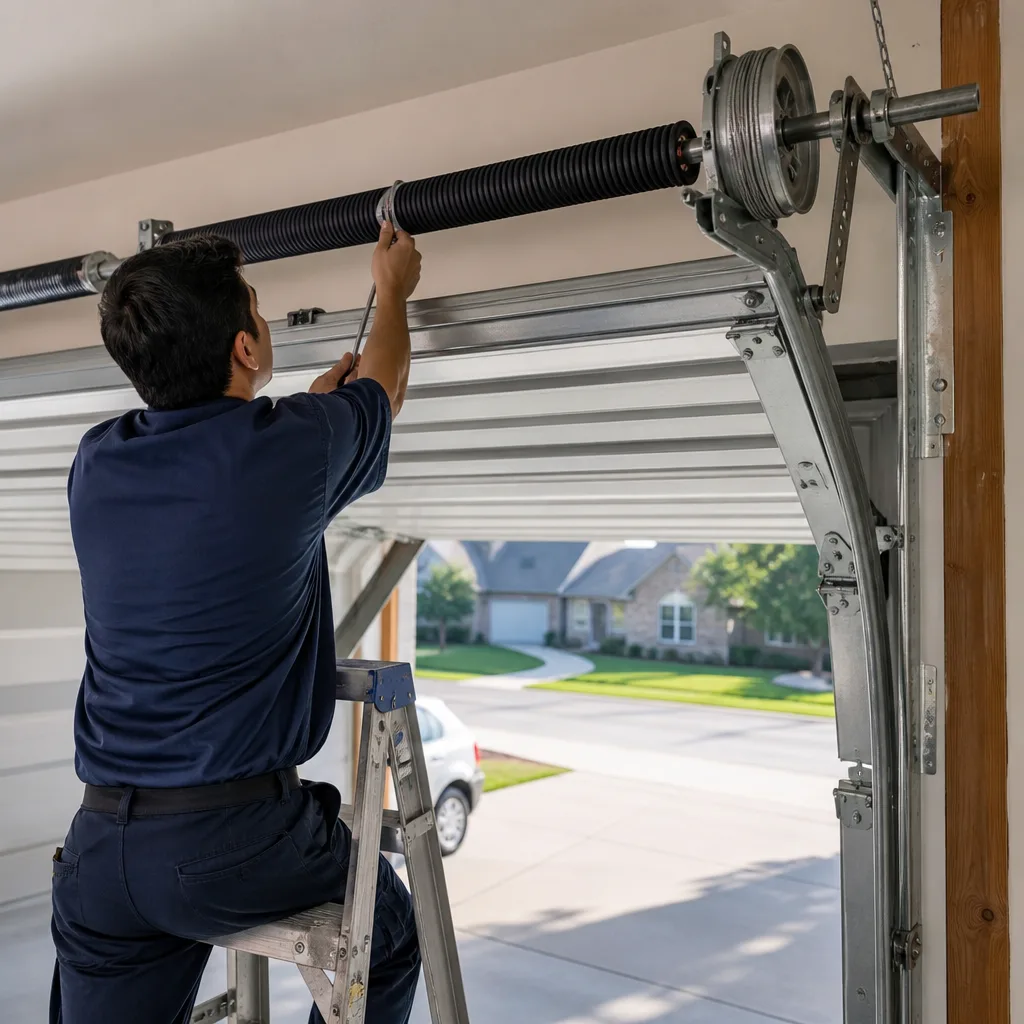 After
AfterThe Complete Guide to Garage Door in McKinney
Most McKinney homeowners spend more time choosing a paint color than verifying whether their new garage door meets the wind-load requirements stamped on their permit. That gap rarely shows up at installation. It surfaces later, in an insurance claim, when an adjuster asks for documentation that was never filed. This guide and our more guides & resources are built to close that gap. You’ll learn how to separate the five phases of a garage door decision: material selection, sizing, code compliance, installer vetting, and post-install documentation. We’ve repaired and replaced doors across McKinney since 2015, and we’ll walk through each phase the way we walk a homeowner through a broken torsion spring: name the part, explain the load, quote the range, and show the paperwork.
Quick Answer
A garage door in McKinney is a structural component governed by Collin County wind-load code, not a decorative choice. Homeowners should check our Garage Door Cost Breakdown: The McKinney Homeowner’s Reference for 2026, verify the wind-load rating matches their permit, and demand a written price with a documented photo record before any work begins. The full process, from material selection through warranty filing, takes about two to three weeks when done in the right order.
Table of Contents
- Phase One: Material Selection for North Texas Heat
- Phase Two: Sizing and the Operational Load Problem
- Phase Three: Collin County Code Compliance and Wind-Load Ratings
- Phase Four: How to Vet an Installer in McKinney
- Phase Five: Post-Install Documentation and Inspection
- Reading the R-Value Label: Attached vs. Detached Garages
- Common Mistakes to Avoid
- When to Call a Professional
- Frequently Asked Questions
- The Bottom Line
BeforeAfterPhase One: Material Selection for North Texas Heat
McKinney sits in a climate band where garage doors take a beating from three directions: direct sun on west-facing elevations, freeze-thaw cycles that expand hairline cracks, and spring storm fronts that test every hinge and seal. Material choice is not an aesthetic preference. It determines how often you’ll replace panels and how well your garage stays within 15 degrees of your home’s interior.
Steel remains the dominant material in Collin County for a reason. A 25-gauge steel door with a polyurethane core resists denting from hail and the occasional basketball, and it holds up under the UV exposure that warps cheaper vinyl composites. We see far fewer warranty claims on steel doors from Amarr and Clopay than on lower-gauge alternatives. Aluminum is lighter and resists corrosion, but it dents more easily and transmits more heat into the garage. Wood is attractive, and it demands a maintenance schedule most homeowners abandon by year three. In McKinney, where the average high in July sits at 95 degrees, an uninsulated wood door can push a west-facing garage past 120 degrees by mid-afternoon.
What matters more than the material itself is the core construction. A door’s insulating core, either polystyrene board or injected polyurethane, does the real thermal work. Polyurethane fills the entire cavity and adds structural rigidity. Polystyrene is cheaper and less effective. When a homeowner in Stonebridge Ranch or Tucker Hill asks us about material selection, we ask what direction the garage faces and whether the room above it is conditioned. Those two answers narrow the field faster than any showroom walkthrough.
Phase Two: Sizing and the Operational Load Problem
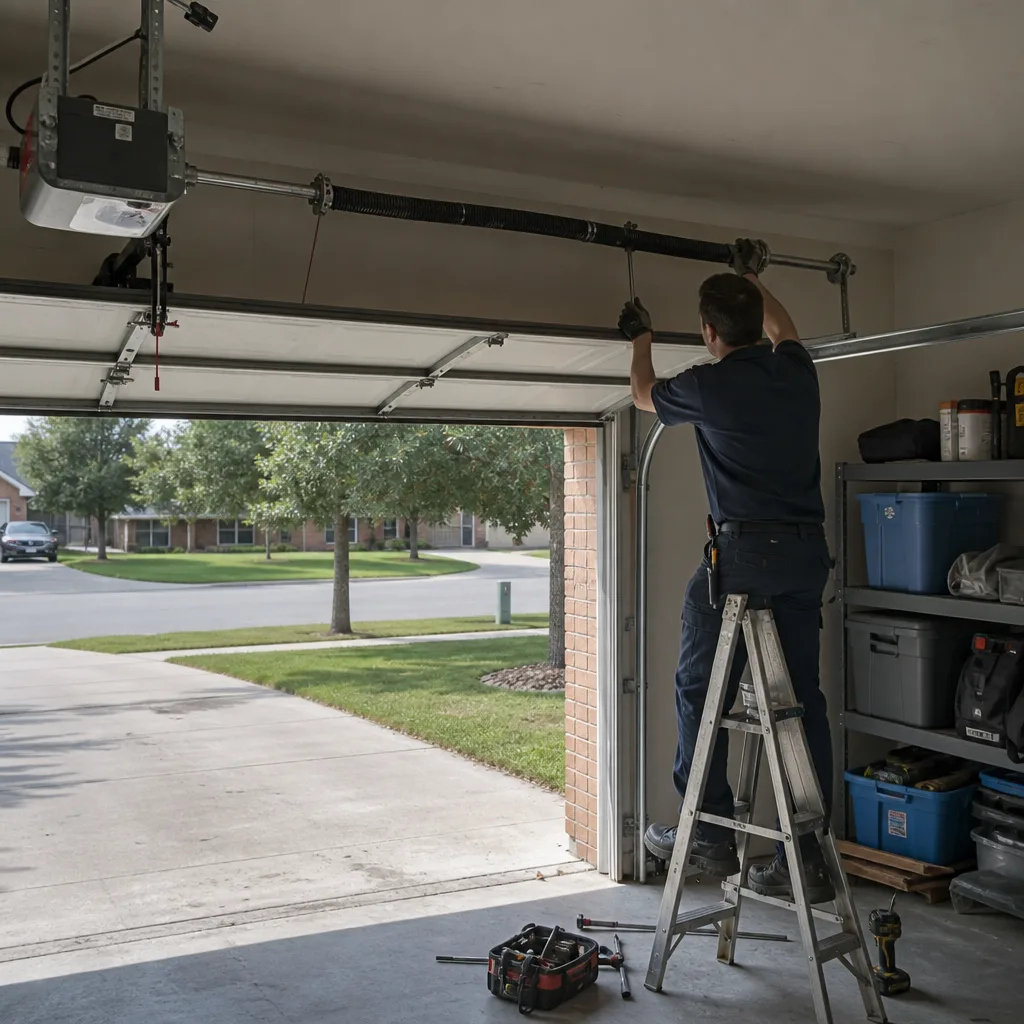
Here’s a fact most guide pages skip: the number on a door’s spec sheet is its listed weight, not its operational load. The operational load includes the door’s weight plus the friction from worn rollers, the resistance of old weatherstripping, and the accumulated torque stress on the spring system. That number is what determines spring sizing. When a technician looks at a door and orders springs, they’re not matching the door’s listed weight. They’re matching the load the door actually places on the lift mechanism.
This distinction matters in McKinney because doors installed five to ten years ago, back when new construction boomed across Collin County, are now entering the window where springs fail. A torsion spring rated for 10,000 cycles typically lasts seven to nine years under normal use. Many McKinney doors installed in 2016 through 2019 are now on their first or second spring failure, and homeowners learning the difference between listed weight and operational load for the first time is exactly what we handle on a Garage Door Repair in McKinney call.
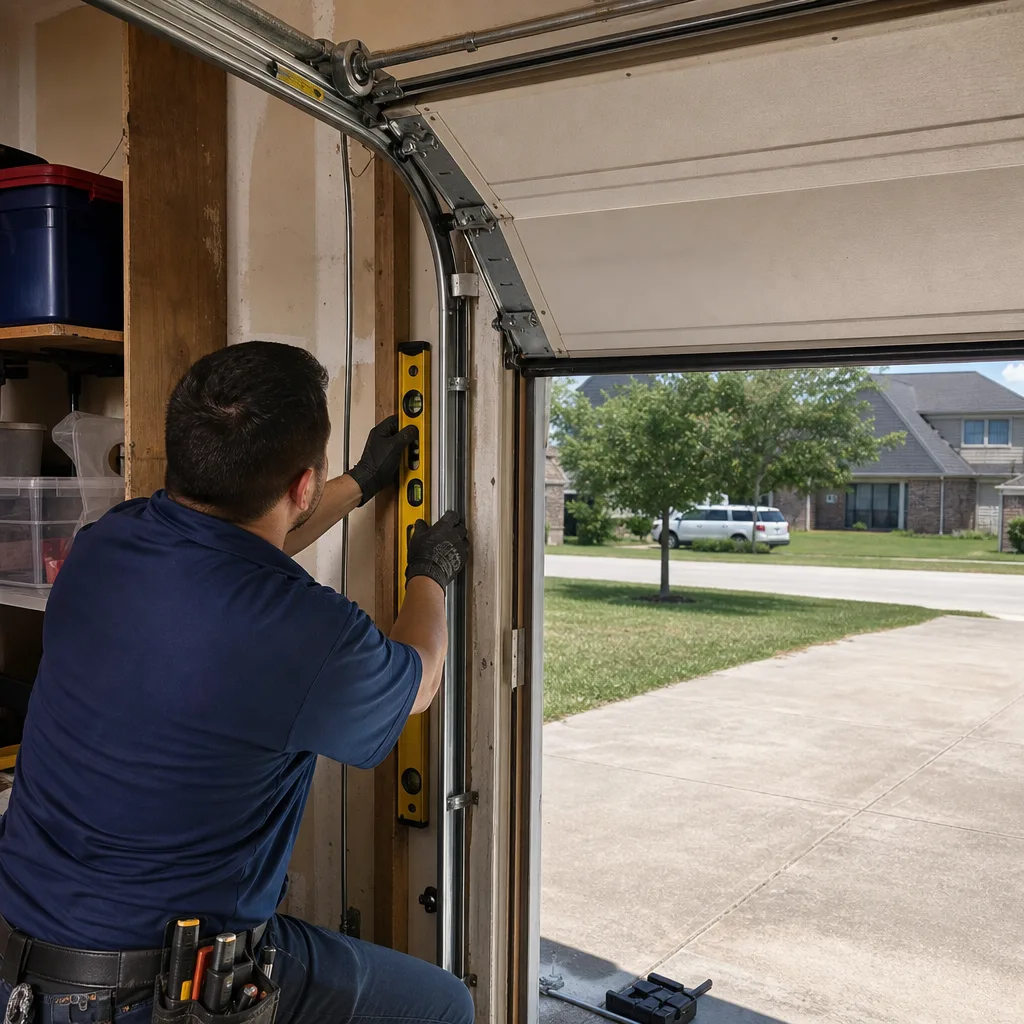
Sizing also affects the track system. A door that’s half an inch too wide for its opening, or a track that’s shimmed to compensate for a foundation shift, changes the load path. McKinney’s expansive clay soil moves. Doors installed before the 2020 drought cycle may have settled out of square. Before choosing a replacement, measure the opening at three points: top, middle, and bottom. If the variance exceeds half an inch, the fix is in the track adjustment, not the new panel.
Phase Three: Collin County Code Compliance and Wind-Load Ratings
Collin County’s unincorporated areas and the City of McKinney both reference the International Residential Code, which assigns wind-load requirements based on the structure’s exposure category. A garage door on a house in a newer McKinney subdivision, with open exposure to the north or west, typically carries a design wind pressure requirement of 20 to 30 pounds per square foot. That number is printed on the door’s compliance label, and it’s not optional.
Every garage door sold in McKinney must carry a label certifying it meets the wind-load standard for the county. When a contractor installs a door that isn’t rated for the site’s exposure, two things happen. First, the permit inspection fails, assuming a permit was pulled. Second, and more costly, the homeowner’s insurance carrier can deny a storm damage claim on the grounds that the door was not code-compliant at installation. We’ve seen this specific scenario play out after spring hail events in Collin County. The door looks fine, the adjuster checks the label, and the claim stalls.
Builders sometimes spec a lower wind-load door to save on cost, and it passes inspection because the inspector doesn’t verify the exposure category. That’s not a hypothetical. It’s a gap in the process, and it’s one reason we photograph the compliance label during every Garage Door Installation in McKinney job. The photo goes in the customer’s file, and that file is what they hand to an insurance adjuster three years later.
Phase Four: How to Vet an Installer in McKinney
McKinney’s garage door market is crowded. Dozens of companies run trucks through Collin County, and the difference between them doesn’t show up until something goes wrong. Here’s how to vet an installer before you sign anything.
- Ask for the written price before the visit. A legitimate installer who knows the trade can quote a door replacement over the phone or by photo, with the understanding that the quote binds once the on-site measurement confirms it. If a company refuses to name a price range and insists on a free in-home estimate before any number is discussed, you’re not getting transparency. You’re getting a sales visit. The Haven Standard’s Clause 1 exists because this specific behavior is common enough to need a written prohibition.
- Ask if the technician photographs the failed component before quoting a repair. Most companies don’t. The founding rule at Servo Garage Doors McKinney, codified as Clause 4 of The Haven Standard, is that the customer sees the failed part before anyone quotes a replacement. If a company won’t show you the broken spring, the failed logic board, or the stripped gear, ask why.
- Verify the license is current and in the company’s own name. Texas doesn’t require a state-level garage door license, but the City of McKinney requires contractors to register. An independent operator carries its own license and insurance. Ask to see both, and check that the name on the license matches the name on the invoice.
- Ask what documentation you’ll receive when the job is done. A receipt is not documentation. You should receive a written scope, a photo record of the work, and a warranty in writing. If the answer is vague, the documentation will be too.
We’re not asking you to trust us. The entire point of a documented system is that trust becomes unnecessary. When a company in McKinney refuses to put a price in writing before touching your door, that refusal is information. Use it.
Phase Five: Post-Install Documentation and Inspection
A new garage door is a structural component with a lifecycle. What happens after installation determines whether that lifecycle is measured in decades or in repeated service calls. The final phase of a garage door decision is not picking the door. It’s verifying the work and filing the paperwork.
Before the technician leaves your driveway, run this checklist:
- Balance test. Disconnect the opener and lift the door manually. It should stay in place at roughly waist height. If it falls, the springs are undersized for the door’s operational load. If it rises, they’re oversized. Either condition shortens spring life and strains the opener.
- Force limit test. With the opener connected, place a 2×4 flat on the floor under the door’s path and close the door. The door should reverse when it contacts the wood. If it keeps pressing down, the force limit is set too high.
- Auto-reverse verification. This is the photoelectric sensor test. Wave your hand through the sensor beam while the door is closing. The door should reverse immediately. This is not optional; it’s a federal safety requirement under UL 325.
- Weatherseal check. Run your hand along the bottom seal with the door closed. No light should pass through. In McKinney’s spring storm season, a gap at the weatherseal is an open invitation for water and pests.
Documentation is the part most homeowners skip. File the compliance label photo, the warranty certificate, the installer’s invoice, and the post-install inspection checklist together, in one place. A three-ring binder in the garage works fine. A folder on your phone is better. When you sell the home, this file answers the buyer’s inspector’s questions before they’re asked. When you file a warranty claim, this file is the difference between a 15-minute approval and a 6-week dispute.
For opener work, the same documentation standard applies. A Garage Door Opener Repair & Installation in McKinney job should close with the same photo record and written warranty, whether it’s a full Genie replacement or a logic board swap on a Wayne Dalton unit.
Reading the R-Value Label: Attached vs. Detached Garages
The R-value printed on a garage door’s spec sheet measures the door’s resistance to heat flow. Higher is better, but the number alone doesn’t tell you what to buy. The right R-value depends on the garage’s relationship to your living space.
An attached garage with a conditioned room above it, a common layout in McKinney’s newer builds, should use a door with an R-value of at least R-12 to R-16. Below that, the garage becomes a thermal bridge that pulls heat from the room above in winter and pushes it in during summer. A detached garage, which has no thermal connection to the house, can reasonably use a door rated R-6 to R-9. The extra insulation in a detached structure doesn’t touch your home’s energy bill, and the premium cost doesn’t pay for itself.
We reference this threshold whenever a homeowner in Craig Ranch or Trinity Falls asks whether the insulated door upgrade is worth it. If the garage is attached and the room above is a bedroom or home office, the answer is almost always yes. If it’s a detached workshop, spend the same money on a better opener instead.
Common Mistakes to Avoid
- Choosing a door before checking the wind-load requirement. A door that looks right but carries the wrong compliance label will fail inspection or complicate an insurance claim. Check the label first.
- Accepting a verbal quote. A verbal number is not a price. Written scope and flat pricing, delivered before work begins, protects you from the invoice that grows after the door is off the track.
- Skipping the balance and auto-reverse tests after installation. These are five-minute checks that catch spring sizing errors and safety failures. Most homeowners never run them.
- Replacing the door without addressing track alignment. McKinney’s clay soil shifts. If the track is out of square, a new door panels wears unevenly and the springs fail early.
- Filing the warranty certificate somewhere you’ll forget. A warranty you can’t find is a warranty you don’t have. Store it with the compliance label photo and the inspection checklist.
- Paying the full balance before the post-install checklist is complete. Reputable installers walk the checklist with you. If they’re in a hurry to leave before you’ve tested the auto-reverse, something’s wrong.
When to Call a Professional
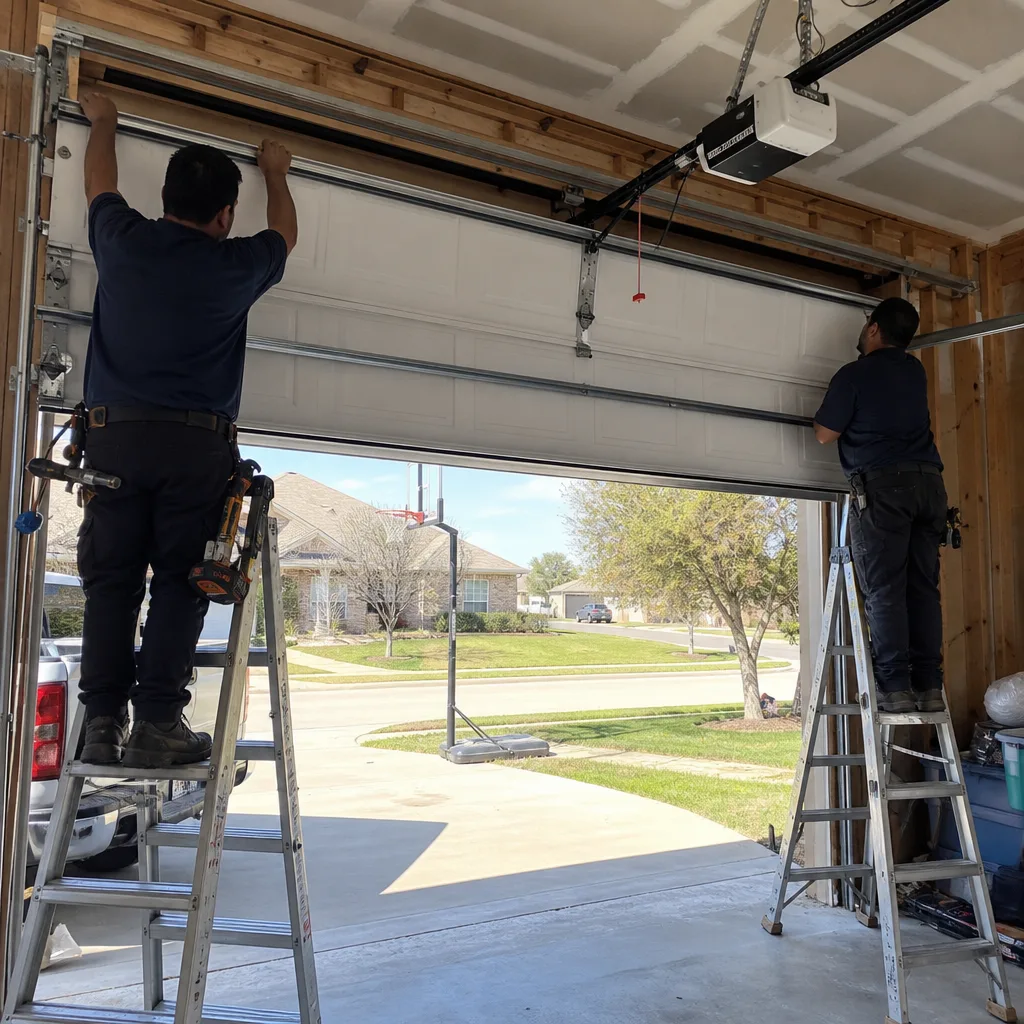
Torsion springs carry enough stored mechanical force to cause serious injury when handled incorrectly. If the spring on your door is broken, do not attempt to unwind or replace it yourself. Call a trained technician. The same applies to any work involving the opener’s electrical system or a door that has come off its track. In McKinney, spring failures happen most often in winter, when cold temperatures increase the metal’s brittleness. If you’re in the middle of a failure right now, Servo Garage Doors McKinney offers free estimates and same-day repair across the city. Call (469) 815-7610 and a live person will answer, or start with our Servo Garage Doors McKinney home page for a written price before anyone touches your door.
Frequently Asked Questions
A standard double-car steel garage door in McKinney typically ranges from $1,400 to $3,800 installed, depending on insulation, wind-load rating, and brand. The price should be quoted in writing before any work begins. Call (469) 815-7610 for an exact written quote on your specific door size and opening.
Most homes in McKinney require a design wind pressure rating of 20 to 30 pounds per square foot, depending on the exposure category assigned to your lot. The requirement is printed on the door’s compliance label. If you’re unsure, a technician can verify your current door’s label during a service visit.
Spring replacements and opener repairs can often be completed same-day. Full door replacements are measured, ordered, and scheduled, typically within one to two weeks. We quote a firm price in writing before ordering, so there’s no surprise when the door arrives.
If your door won’t open manually and the cables are loose, the torsion spring has failed. Springs are rated for cycle life, not years, and a standard 10,000-cycle spring typically lasts seven to nine years. Our Garage Door Repair in McKinney service includes a photo of the failed spring before we quote the replacement.
The City of McKinney typically requires a permit for garage door replacement, and the door must meet the county’s wind-load standard. Your installer should handle the permit. Ask them to confirm it’s part of the written scope before you sign.
Store the compliance label photo, warranty certificate, invoice, and post-install inspection checklist together in one file. This file is what you’ll need for a warranty claim, an insurance claim, or a home sale. We deliver a documented photo record on every installation, so the evidence is already built.
The Bottom Line
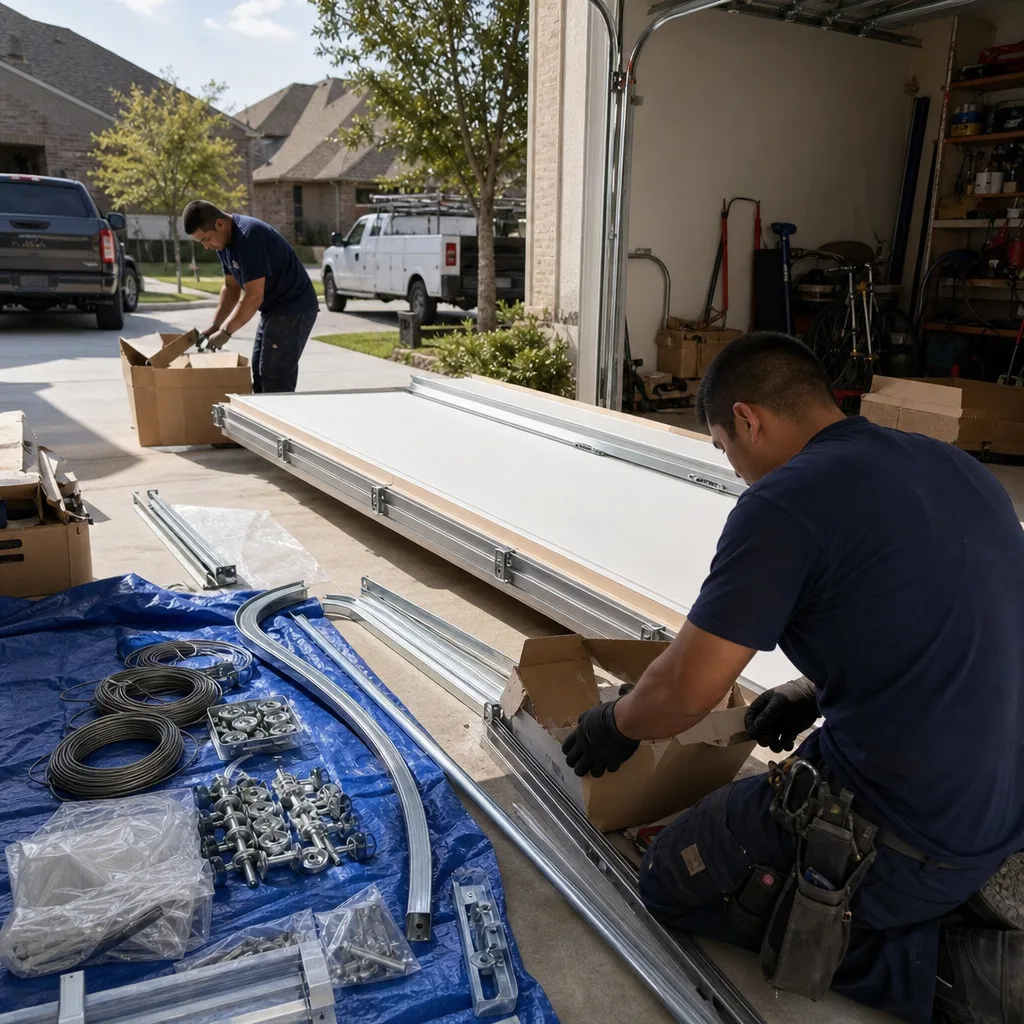
A garage door in McKinney is a structural decision with code, insurance, and documentation ripples that extend years past installation day. The five phases, material, sizing, code, vetting, and documentation, each deserve a separate conversation, and collapsing them into one sales call is how you end up with a voided warranty and a gap at the weatherseal. Check the wind-load label. Test the auto-reverse. Demand a written price. Keep the paperwork. If you need help sorting through it, Servo Garage Doors McKinney has been making garage doors right since 2015, with a written price before every job and a photo record when the technician leaves.
Written by Marcus Deller, Owner at Servo Garage Doors McKinney, serving McKinney since 2015.